
Can Sewage Water Be Treated for Drinking?
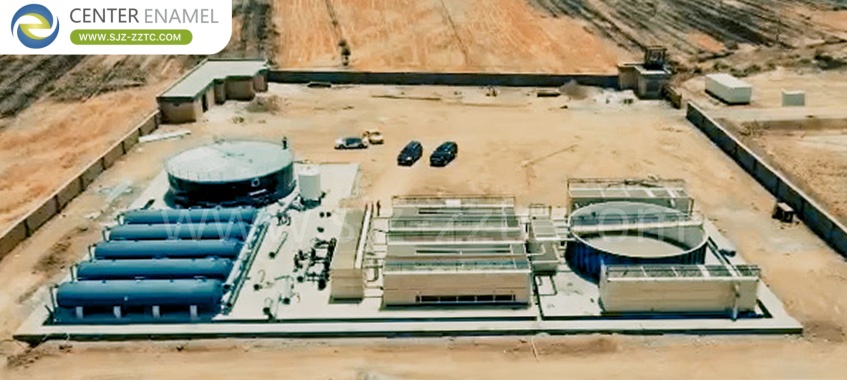
Many people often ask the question: Can sewage water be treated for drinking? The direct answer is yes. With modern advanced physical, biological, chemical and advanced membrane purification technologies, domestic sewage, industrial sewage and municipal wastewater can be treated to reach strict drinking water standards. However, the process requires multi-stage deep purification, strict disinfection and advanced filtration, far more complex than regular wastewater discharge treatment. Not all treated sewage can be directly used for drinking; only after full advanced treatment can it be safely consumed by humans.
How Sewage Water Is Generated
Sewage water comes from a wide range of sources in daily life and industrial production.
First is municipal domestic sewage: produced from residential living, including kitchen drainage, bathing water, toilet flushing, laundry wastewater and community daily cleaning water. It contains organic matter, food residues, grease, human excreta, nitrogen, phosphorus and various microorganisms.
Second is industrial sewage: discharged from food processing, dairy, livestock breeding, agricultural processing and other factories. It features high COD, BOD, suspended solids, starch, protein, grease and complex organic pollutants.
Third is rural and livestock sewage: mainly from cattle and poultry farms, rural scattered households and agricultural irrigation drainage, rich in manure organic matter, ammonia nitrogen and pathogens.
If all these types of sewage are discharged without treatment, they will cause river pollution, groundwater contamination, ecological destruction and spread of bacteria. Through standardized treatment and deep purification, sewage can be turned into safe reusable water, even reaching drinking grade.
Complete Sewage Treatment Process to Achieve Drinking Grade
To turn raw sewage into drinking water, it needs to go through three major stages: conventional wastewater treatment, secondary biological treatment, and tertiary advanced deep purification.
1. Primary Pretreatment
Sewage first passes through mechanical grilles and sedimentation tanks to intercept large debris, suspended solids, garbage and floating impurities. Then it enters the regulating tank to balance water volume and water quality, reducing impact load on subsequent treatment units.
2. Secondary Biological Treatment
This is the core stage of organic pollutant removal, including anaerobic treatment and aerobic treatment.Anaerobic reactors decompose macromolecular organic matter into small molecules and remove most COD and BOD, while producing biogas for energy recovery.Aerobic tanks further degrade residual organic pollutants, ammonia nitrogen and phosphorus, purifying water quality significantly. After secondary sedimentation, sludge and water are separated.
3. Tertiary Advanced Treatment (Key for Drinking Purpose)
This is the decisive step to answer “Can sewage water be treated for drinking”. The process includes:
- Advanced filtration and activated carbon adsorption
- Membrane filtration (ultrafiltration, reverse osmosis)
- Ozone disinfection, ultraviolet sterilization and chlorine disinfection
- Deep denitrification and dephosphorization
After these procedures, harmful bacteria, viruses, heavy metals, micro-pollutants and odor are completely removed. The water quality meets international drinking water standards and can be safely used for direct drinking, domestic water supply and municipal water replenishment.
Four Main Anaerobic Technologies for Sewage Treatment
Anaerobic technology is the core link in the entire sewage treatment system. As a professional wastewater treatment EPC contractor, Center Enamel provides four mature anaerobic technologies suitable for municipal, industrial and rural sewage projects.
1. CSTR (Completely Stirred Tank Reactor)
CSTR is suitable for high-concentration and high-solid sewage such as livestock and food industrial sewage. With mechanical stirring, it ensures full mixing of sewage and sludge, preventing crusting and sedimentation. It features strong impact resistance and stable operation, ideal for large-scale sewage treatment plants.
2. USR (Upflow Solids Reactor)
USR has a simple structure with no mechanical stirring, low energy consumption and easy maintenance. It uses upward flow to retain sludge and organic particles, perfectly fitting medium and small rural sewage and scattered breeding sewage projects with limited budget.
3. UASB (Upflow Anaerobic Sludge Blanket)
UASB is a cost-effective global mainstream technology for medium and low-concentration municipal and food processing sewage. Sewage flows upward through a dense sludge blanket to efficiently degrade organic pollutants. It has low operating cost, high load capacity and stable performance.
4. IC (Internal Circulation) Reactor
IC is an advanced high-rate anaerobic technology driven by biogas internal circulation. Its treatment efficiency is 3–5 times higher than traditional reactors, with small footprint and excellent COD removal effect. It is the best choice for large municipal sewage plants and land-tight industrial projects.
Advantages of Center Enamel in Sewage Treatment
Center Enamel has outstanding strengths in municipal, industrial and rural sewage treatment, including reclaimed water upgrading to drinking grade.
Customized Process Design: According to sewage type, water quality, treatment scale and reuse requirements, Center Enamel reasonably selects CSTR, UASB, USR and IC anaerobic processes to design the most reliable and cost-effective treatment and deep purification scheme.
High-Performance GFS Tanks: Center Enamel’s Glass-Fused-to-Steel (GFS) tanks are widely used as anaerobic reactors, regulating tanks, sedimentation tanks and sludge tanks. With full pH 1–14 corrosion resistance, UV and seismic stability, bolted fast installation and over 30 years service life, GFS tanks adapt to all kinds of corrosive sewage environments.
Full Lifecycle EPC Service: We provide one-stop services including engineering design, equipment manufacturing, installation, commissioning and after-sales maintenance, helping clients reduce project risks and operation management costs.
Resource Recycling Benefits: The anaerobic system converts sewage organic matter into biogas for power generation and heating. Treated sewage can be reused for industrial recycling, agricultural irrigation, and after deep purification, safely supplied as drinking water, realizing circular economy and environmental protection win-win.
In short, sewage water can absolutely be treated for drinking through multi-stage pretreatment, biological treatment and advanced deep purification processes. The key lies in standardized treatment procedures, reliable anaerobic technologies and strict advanced disinfection and filtration. Center Enamel, with four mature anaerobic processes (CSTR, USR, UASB, IC), high-quality GFS tanks and full EPC turnkey solutions, provides professional sewage treatment and water reuse solutions for global municipal, industrial and rural projects, enabling sewage to turn into safe drinking water and sustainable reclaimed water resources.