
Can We Generate Biogas from Sewage? A Complete Guide to Wastewater-to-Energy
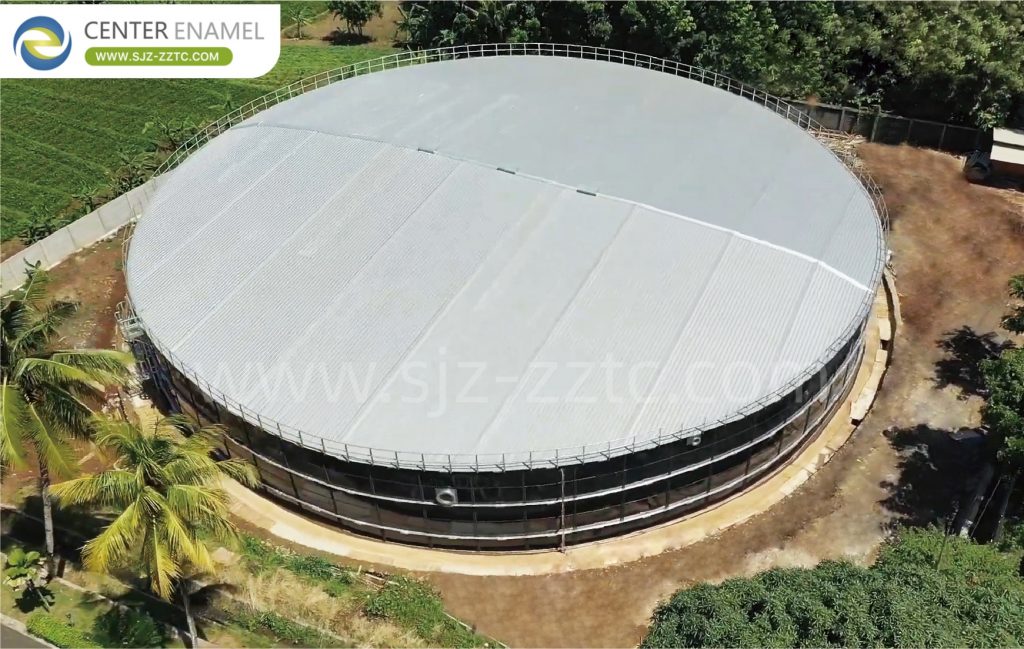
Yes, biogas can be generated from sewage—and this proven technology is transforming wastewater treatment plants into renewable energy hubs worldwide. Through a natural biological process called anaerobic digestion, microorganisms break down organic matter in sewage sludge within sealed, oxygen-free tanks, producing a methane-rich gas that can be captured and utilized. This biogas typically contains 50–70% methane, making it a valuable fuel for electricity generation, heating, and even vehicle-grade biomethane. Beyond energy production, capturing biogas from sewage significantly reduces greenhouse gas emissions, lowers sludge disposal costs, and helps treatment plants achieve energy self-sufficiency. In this comprehensive guide, we explore how sewage-to-biogas works, its benefits, and the essential infrastructure required for success.
What Is Biogas from Sewage?
Biogas is a renewable energy byproduct created when sewage breaks down in an oxygen-free (anaerobic) environment . This process occurs naturally in wastewater treatment plants where microorganisms decompose organic matter in sewage sludge. The resulting biogas primarily consists of methane (typically 50–70%) and carbon dioxide, along with trace amounts of other gases . This methane-rich gas can be captured and converted into electricity, heat, or even biomethane for vehicle fuel, transforming what was once considered waste into a valuable energy resource.
The Anaerobic Digestion Process Explained
The production of biogas from sewage relies on a biological process called anaerobic digestion. In this process, microorganisms break down organic materials in sewage sludge within sealed tanks called anaerobic digesters . The digestion occurs in several stages: hydrolysis, acidogenesis, acetogenesis, and methanogenesis . During these stages, complex organic compounds like polysaccharides, proteins, and oils are converted into simpler molecules and finally into methane and carbon dioxide. The entire process requires carefully controlled conditions, including specific temperature ranges (mesophilic or thermophilic), pH levels, and retention times to maximize biogas yield.
Types of Sewage Feedstocks for Biogas Production
Wastewater treatment plants process various types of sewage sludge that can be used for biogas generation. The main categories include :
Primary Sludge (PS): Solid material settled from raw wastewater during primary treatment
Waste Activated Sludge (WAS): Excess biomass from the biological treatment process
Thermally Hydrolyzed WAS: WAS pretreated with heat to enhance digestibility
Mixed Sludge: A combination of primary sludge and waste activated sludge
Each feedstock type has different biogas production characteristics. Research shows that discontinuous feeding strategies can shift a significant portion of daily biogas production (37–52%) to within 6 hours after feeding, offering flexibility in energy generation .
How Wastewater Treatment Plants Capture Biogas
Modern wastewater treatment plants are increasingly equipped with infrastructure to capture and utilize biogas. For example, Melbourne Water's Western Treatment Plant generates over 86,000 megawatt hours of renewable electricity annually from biogas, enough to power approximately 8,600 households . The biogas is captured in anaerobic digesters and covered treatment lagoons, then transferred to on-site power stations where it is combusted to spin turbines connected to power generators.
In Switzerland, the Limeco facility demonstrates advanced biogas utilization, combining biogas from sewage sludge with a biological Power-to-Gas system that converts CO₂ into additional methane, producing up to 18 GWh of renewable methane per year .
Benefits of Generating Biogas from Sewage
Capturing biogas from sewage offers multiple environmental and economic advantages:
Greenhouse Gas Reduction: Methane is a potent greenhouse gas with a global warming potential far greater than CO₂. Capturing and burning it for energy prevents its release into the atmosphere .
Renewable Energy Production: Biogas provides a consistent, baseload renewable energy source that complements intermittent sources like solar and wind .
Waste Volume Reduction: Anaerobic digestion reduces the volume of sewage sludge, lowering disposal costs .
Energy Self-Sufficiency: Many wastewater treatment plants can meet 20–30% of their energy needs through on-site biogas generation .
Circular Economy: Sewage is increasingly viewed as a "three-in-one bioenergy resource pool" of water, energy, and nutrients .
Flexibility in Biogas Production
Recent research highlights the potential for flexible biogas production from sewage sludge. By implementing discontinuous feeding strategies, wastewater treatment plants can adjust biogas production timing to match electricity demand or price fluctuations . This flexibility offers financial incentives for plant operators, including reduced electricity costs and the ability to participate in demand-response energy markets. Studies have shown that stable digestion conditions can be maintained even with a single daily feeding, with no significant negative impact on specific biogas yield or process stability .
The Importance of Proper Storage Infrastructure
Successful biogas projects require reliable storage infrastructure to contain the biogas safely and efficiently. Anaerobic digester tanks must be designed to withstand corrosive conditions, maintain an airtight seal, and provide long-term durability . Glass-Fused-to-Steel (GFS) technology has emerged as a preferred solution, combining the strength of steel with the chemical resistance of glass to provide decades of reliable performance . These tanks are essential for both the digestion process and the storage of produced biogas prior to utilization.
Center Enamel: Your Professional Wastewater Project Solutions Provider
Center Enamel (Shijiazhuang Zhengzhong Technology Co., Ltd.) is a global leader in providing high-performance storage solutions for wastewater treatment and biogas projects. With over 30 years of experience and projects delivered to more than 100 countries, Center Enamel offers :
Glass-Fused-to-Steel (GFS) Digester Tanks: Combining steel strength with glass corrosion resistance for decades of reliable service
Modular Bolted Design: Quick assembly, scalable solutions, and cost-effective installation
Superior Corrosion Resistance: Ideal for the harsh conditions of anaerobic digestion
Gas-Tight Construction: Advanced sealing systems prevent methane leakage and ensure safety
International Standards Compliance: Meeting AWWA D103-09, ISO 28765, and NSF/ANSI 61 standards
Center Enamel's anaerobic digesters are extensively used in municipal wastewater treatment plants for sewage sludge treatment, efficiently breaking down organic matter, reducing sludge volume, and generating biogas for renewable energy . Whether for small-scale operations or large industrial projects, Center Enamel provides customizable solutions tailored to specific project requirements.
Conclusion
The answer is clear: yes, we can generate biogas from sewage. Through anaerobic digestion, wastewater treatment plants worldwide are transforming sewage sludge from a disposal problem into a valuable renewable energy resource. With proper infrastructure and professional storage solutions, the potential for sewage-to-energy continues to grow, supporting sustainability goals and the transition to a circular economy.
Frequently Asked Questions (FAQs)
1. What is the methane content of biogas from sewage?
Biogas from sewage typically contains 50–70% methane, with the remainder being primarily carbon dioxide and trace gases . The exact percentage depends on the feedstock composition and digestion conditions.
2. How is biogas from sewage used for energy?
Biogas is captured in anaerobic digesters, then transferred to on-site power stations where it is combusted to generate electricity and heat. It can also be upgraded to biomethane for injection into natural gas networks or use as vehicle fuel .
3. What storage solutions are available for sewage biogas projects?
Center Enamel provides Glass-Fused-to-Steel (GFS) and epoxy-coated steel tanks specifically designed for sludge digestion and biogas storage. These tanks offer exceptional corrosion resistance, gas-tight construction, and a service life exceeding 30 years .