
Can We Recycle Garden Waste? Complete Guide to Garden Waste Recycling & Biogas Solutions
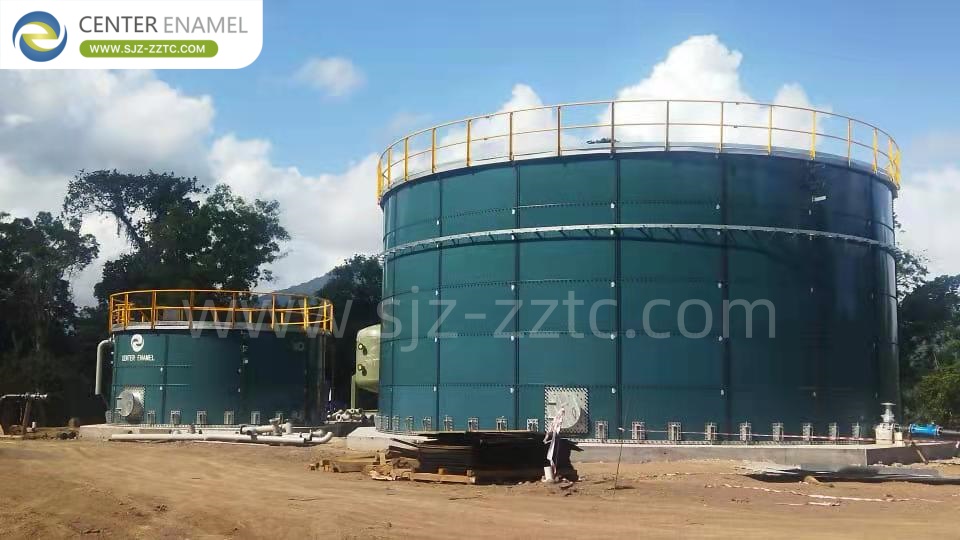
Yes, we can definitely recycle garden waste. Garden waste is one of the most valuable and recyclable organic biomass resources on the planet. Far from being “rubbish,” grass clippings, branches, leaves, weeds, and plant trimmings can be recycled, reused, and converted into clean energy, organic fertilizer, and other high-value products. Among all recycling methods, converting garden waste into biogas through anaerobic digestion is the most efficient, eco-friendly, and economically beneficial way to achieve full-cycle recycling.
In today’s world, where environmental protection, carbon reduction, and circular economy are global priorities, garden waste recycling is no longer an option but a necessary practice for communities, cities, and enterprises. This article will fully answer the question “Can we recycle garden waste?”, explain the sources of garden waste, introduce how garden waste is recycled into biogas, the benefits of garden waste biogas projects, four core anaerobic digestion technologies, and how Center Enamel supports global garden waste recycling with professional solutions.
What Is Garden Waste and Where Does It Come From?
Garden waste, also called green waste, refers to all organic materials generated from landscape maintenance, gardening, planting, and greening management. It is a completely renewable biomass resource with high biodegradability.
The main sources of garden waste include:
- Grass clippings from residential lawns, public parks, golf courses, and sports grounds
- Pruned branches, twigs, dry leaves, and bark from trees and shrubs
- Withered flowers, weeds, roots, and stem residues from gardens and green belts
- Palm fronds, orchard pruning waste, and forestry trimming residues
- Green waste from urban road greening, community maintenance, and landscape renovation
In both tropical and temperate regions, garden waste is produced steadily throughout the year. In many countries, garden waste accounts for 20%–40% of total municipal solid waste. Previously, most garden waste was landfilled or burned, which caused serious pollution and wasted huge organic resources. Today, with advanced recycling technology, garden waste can be fully recycled and reused.
How Do We Recycle Garden Waste? Turn It Into Biogas!
The best answer to “Can we recycle garden waste?” is: Recycle garden waste into biogas through anaerobic digestion.
Garden waste is rich in cellulose, hemicellulose, carbohydrates, and organic matter, making it an ideal raw material for anaerobic fermentation. Under sealed, oxygen-free conditions, microorganisms break down organic components and produce biogas—a clean energy source mainly composed of methane (55%–70%) and carbon dioxide (30%–45%).
The anaerobic digestion process includes four stable biological stages:
- Hydrolysis: Microbes break down large-molecule organic matter into small soluble sugars and amino acids.
- Acidification: Acidogenic bacteria convert small molecules into volatile fatty acids, H₂, and CO₂.
- Acetogenesis: Intermediate products are further transformed into acetic acid, the precursor of methane.
- Methanogenesis: Methanogenic bacteria produce biogas that can be used for power generation, heating, and cooking.
After anaerobic digestion, the remaining digestate becomes high-quality organic fertilizer, forming a closed-loop recycling system:Garden waste → biogas → clean energy → organic fertilizer → soil improvement
This is the most sustainable way to recycle garden waste.
Benefits of Recycling Garden Waste Into Biogas
Recycling garden waste into biogas brings comprehensive environmental, economic, and social benefits:
1. Solve Waste Pollution Problems
Biogas projects eliminate odor, leachate, and pest breeding caused by random stacking. They also stop open burning that produces smoke and harmful gases, protecting air, water, and soil ecosystems.
2. Produce Clean Renewable Energy
Biogas replaces fossil fuels, diesel, and natural gas, helping reduce carbon emissions and reliance on non-renewable energy. It supports global net-zero carbon goals.
3. Reduce Treatment and Energy Costs
Biogas can be used for on-site power generation and heating, greatly cutting electricity and fuel expenses. Organic fertilizer creates extra income and reduces agricultural input costs.
4. Support Circular Economy Development
Garden waste recycling turns waste into treasure, improves resource utilization efficiency, and builds sustainable urban and rural ecological systems.
5. Comply With Environmental Policies
Most countries have issued strict waste management and renewable energy policies. Garden waste biogas projects help enterprises and governments meet emission standards and obtain policy incentives.
Four Core Anaerobic Technologies for Garden Waste Recycling
To efficiently recycle garden waste, professional anaerobic digestion technologies are required. Center Enamel provides four mature and reliable anaerobic technologies suitable for different types of garden waste:
1. CSTR Process (Completely Stirred Tank Reactor)
The most widely used technology for high-solid garden waste. Full mechanical stirring ensures even mixing, prevents scum and sediment, and guarantees stable fermentation and high biogas yield. Ideal for large-scale garden waste recycling projects.
2. UASB Process (Upflow Anaerobic Sludge Blanket)
Best for low-solid garden waste leachate and pre-treated slurry. Wastewater flows upward through a dense sludge blanket to achieve high-efficiency organic degradation. Features low energy consumption and small footprint.
3. USR Process (Upflow Solids Reactor)
Simple structure, low investment, and easy maintenance. Suitable for small-scale and decentralized garden waste recycling in communities, parks, and rural areas.
4. IC Process (Internal Circulation)
High-load anaerobic technology with biogas-driven internal circulation. Its organic loading rate is 3–5 times higher than traditional reactors. Perfect for urban areas with limited land and large treatment demands.
These four technologies make garden waste recycling efficient, stable, and adaptable to different project scales and site conditions.
Why Choose Center Enamel for Garden Waste Recycling & Biogas Projects
When asking “Can we recycle garden waste?”, you also need a professional partner to implement the project. Center Enamel is a leading global EPC Contractor and biogas solution provider specializing in garden waste recycling and anaerobic digestion projects.
Here are our core advantages:
1. Mature & Customized Biogas Solutions
We provide tailored solutions based on garden waste composition, climate, project scale, and site conditions. Our CSTR, UASB, USR, and IC technologies ensure high efficiency and stability.
2. Top-Quality Glass-Fused-to-Steel (GFS) Tanks
Our GFS tanks are fused at over 820°C, with pH 1–14 corrosion resistance, anti-aging, and long service life of more than 30 years. Bolted assembly enables fast installation and low maintenance cost.
3. Strong R&D and Manufacturing Capacity
We own more than 200 patented enamel formulas and Asia’s largest GFS tank production base, ensuring stable product supply and reliable quality.
4. International Certifications
Our products comply with ISO 28765, AWWA D103, NSF/ANSI 61, CE, OSHA, and other international standards. Each tank passes a 1500V high-voltage spark test.
5. Full-Cycle Turnkey EPC Service
We provide one-stop service including design, manufacturing, installation, commissioning, and after-sales support. We have rich experience in global garden waste biogas projects.
6. Professional Installation & Local Support
We use hydraulic jacking top-down installation with no scaffolding or large cranes, suitable for narrow urban sites. Our global service teams provide timely maintenance and technical support.
To the question “Can we recycle garden waste?”, the answer is a clear yes. Garden waste is not waste but a valuable organic resource that can be efficiently recycled into biogas and organic fertilizer through anaerobic digestion. This method brings huge environmental and economic benefits and supports global sustainable development.
With advanced anaerobic technologies including CSTR, UASB, USR, and IC, high-quality GFS tanks, and full EPC services, Center Enamel is your reliable partner for garden waste recycling and biogas projects. We help communities, cities, and enterprises around the world achieve harmless treatment, resource recycling, and energy regeneration of garden waste.
Whether you are planning a municipal garden waste project, community green waste recycling system, or commercial biogas plant, Center Enamel provides safe, efficient, and long-life solutions to turn garden waste into clean energy and create a greener future.