
Clean Energy from Biogas: How Anaerobic Digestion Powers the Green Transition
Global energy demand continues to rise while nations accelerate commitments to net-zero emissions. In this landscape, clean energy from biogas has emerged as a uniquely versatile renewable fuel—one that converts organic waste streams into electricity, heat, and pipeline-grade biomethane, all while reducing methane emissions that would otherwise escape from decomposing waste.
Unlike solar and wind, which generate power only when the sun shines or wind blows, biogas provides dispatchable, baseload-capable renewable energy. Anaerobic digestion facilities can ramp output up or down within minutes, making them a critical grid-stabilization asset as intermittent renewables penetrate deeper into energy markets.
This comprehensive guide explores the science, engineering, and commercial logic behind biogas as a clean energy source—from feedstock selection and digester design to methane yield metrics, carbon offset calculations, and the role of biomethane in replacing fossil natural gas across power, heat, and transport sectors.
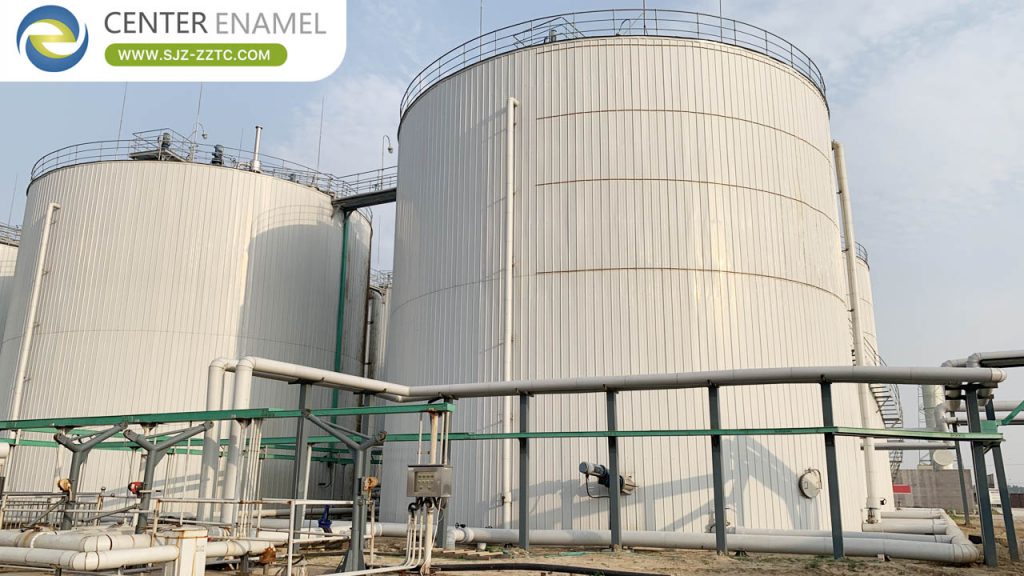
Understanding Clean Energy from Biogas: The Anaerobic Digestion Process
Clean energy from biogas is produced when organic matter—livestock manure, food waste, agricultural residues, or municipal sludge—is broken down by anaerobic microorganisms in sealed, oxygen-free tanks called anaerobic digesters. The process yields raw biogas containing 50% to 70% methane (CH4) and 30% to 50% carbon dioxide, along with trace hydrogen sulfide that must be scrubbed before use.
The digestion process unfolds in four sequential biological stages: hydrolysis (complex polymers are broken into simpler monomers), acidogenesis (monomers are converted to volatile fatty acids), acetogenesis (fatty acids are transformed into acetic acid, hydrogen, and CO2), and methanogenesis (methanogenic archaea produce methane gas). The entire cycle typically takes 15 to 30 days in mesophilic digesters (35-38 degrees C) or 10 to 20 days in thermophilic systems (50-55 degrees C).
Biogas as Dispatchable Renewable Energy: A Comparative Analysis
The defining advantage of biogas over other renewables is its dispatchability. While solar photovoltaic and wind turbines depend on weather conditions, biogas plants can operate 24 hours a day, 365 days a year, storing produced gas in buffer tanks and releasing energy on demand. This characteristic makes biogas projects especially valuable for grid stability, peak-load management, and industrial process heat applications that require constant, reliable energy supply.
| Energy Source | Capacity Factor | Dispatchability | Intermittency | CO2 Reduction vs Fossil |
| Biogas (CHP) | 80-95% | Full (24/7) | None | 60-90% |
| Solar PV | 15-25% | None (daylight only) | High | 90-95% |
| Wind | 25-45% | Partial | High | 90-95% |
| Natural Gas | 50-60% | Full | None | Baseline |
Engineering Biogas Clean Energy Projects: Key Design Factors
Designing a commercially viable biogas clean energy project requires careful integration of feedstock logistics, digester technology, gas utilization pathways, and environmental compliance. The following factors drive project economics:
1. Feedstock Availability and Quality: Organic substrates with a carbon-to-nitrogen (C:N) ratio between 20:1 and 30:1 yield optimal gas production. Co-digestion of multiple feedstocks (e.g., manure plus food waste) can increase methane yield by 25% to 60% compared to mono-digestion.
2. Digester Technology Selection: Complete-mix (CSTR) digesters suit high-solids feedstocks, while plug-flow designs handle livestock manure efficiently. Covered lagoon digesters offer the lowest CAPEX for large-volume, low-solids applications but operate only in warm climates.
3. Gas Utilization Pathway: Raw biogas can fuel combined heat and power (CHP) engines (electrical efficiency 35-42%), be upgraded to biomethane (95-99% CH4 purity) for grid injection or vehicle fuel, or be compressed to CBG for off-grid distribution. The choice depends on local energy prices, grid access, and policy incentives.
4. Carbon Credit and Emission Reduction Revenue: Capturing fugitive methane from waste that would otherwise decompose openly generates verified emission reductions. A single 1 MW biogas CHP plant can reduce 8,000 to 12,000 tonnes of CO2-equivalent annually, creating additional revenue through carbon markets.
Frequently Asked Questions (FAQ)
Q1: Is biogas truly a clean energy source if it produces CO2 when burned?
A: Yes. The CO2 released during biogas combustion is biogenic—part of the natural carbon cycle. The organic matter absorbed atmospheric CO2 during growth, so burning biogas does not add net new carbon to the atmosphere. Additionally, biogas projects capture methane that would have been released from decomposing waste, and methane is 28 times more potent as a greenhouse gas than CO2 over a 100-year horizon.
Q2: How much electricity can a biogas project generate?
A: A well-designed biogas plant processing 100 tonnes of mixed organic waste per day can produce approximately 4,000 to 6,000 cubic meters of biogas daily, generating 800 to 1,200 kWh of electricity via a CHP system—enough to power 250 to 400 average households while simultaneously recovering heat for industrial or district heating use.
Q3: Can biogas replace natural gas in existing pipelines?
A: Yes, when upgraded to biomethane with methane purity above 96%. Pipeline-grade biomethane is chemically identical to fossil natural gas and can be injected directly into existing gas grids without infrastructure modification. Many European countries already blend 10-20% biomethane in their national grids.