
Commercial Biogas Plant Maintenance: Complete Guide to Maximizing Uptime and Efficiency
A commercial biogas plant operates as a complex biochemical and mechanical ecosystem. Without a disciplined Operations and Maintenance (O&M) strategy, facilities face severe risks, including digester biological failure, gas line blockages, foaming, and costly unplanned downtime.
Implementing a structured preventive maintenance program ensures optimal microbial health, consistent methane yields, and an extended operational lifespan for all physical infrastructure.
Why Preventive Maintenance is Crucial for Commercial Biogas
- Prevents Unplanned Outages: Regular mechanical checks catch wear and tear on pumps and mixers before total component failure occurs.
- Sustains Microbial Stability: Continuous tracking of operating temperatures and feeding schedules prevents volatile fatty acid (VFA) accumulation and reactor "souring".
- Ensures Strict Safety Compliance: Routine testing of pressure relief valves and gas detectors mitigates explosion and toxicity risks.
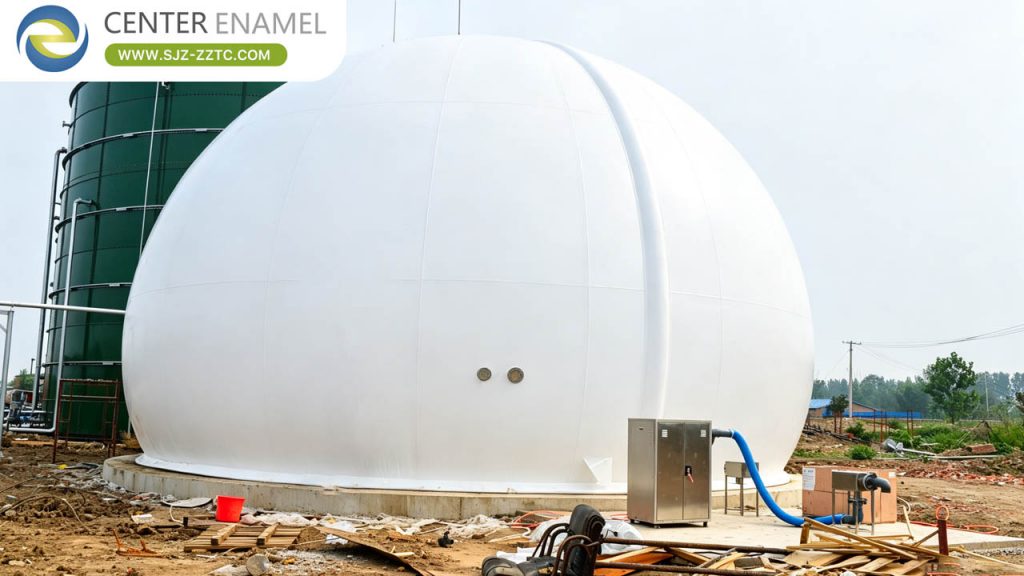
The Structured Maintenance Schedule: Daily to Annual
Maintaining peak performance requires breaking maintenance tasks into systematic, time-bound operational intervals:
- Daily Operator Rounds: Monitor operating gas pressure (target 20–50 mbar), track digester temperature (mesophilic range 35°C–40°C), and inspect feedstock consistency for contaminants.
- Weekly Performance Reviews: Clean condensate traps, test safety valve functionality, check pump flow rates, and verify hydrogen sulfide (H2S) concentration levels.
- Monthly & Annual Overhauls: Calibrate electronic sensors, inspect digester structural integrity for corrosion, and service combined heat and power (CHP) generators.
Comparative Data Table: Biogas Maintenance Schedule
| Maintenance Interval | Core Operational Tasks | Key Focus Areas |
| Daily Checks | Pressure readings, temperature tracking, visual leak inspection | Digester biology, feed consistency, gas output |
| Weekly Tasks | Condensate draining, filter cleaning, valve cycling | Pipeline blockages, pump seals, $H_2S$ monitoring |
| Monthly Checks | Sensor calibration, electrical check, structural review | Instrumentation accuracy, corrosion control, agitators |
| Annual Overhaul | CHP servicing, tank inspection, safety system audit | Major mechanical wear, compliance validation, vessel testing |
Critical Troubleshooting and Issue Resolution
- Foaming and Scum Accumulation: Often triggered by overfeeding or abrupt feedstock changes; controlled by balancing organic loading rates and adjusting mixing cycles.
- Pressure Drops or Leaks: Detected via sudden gauge drops or odor; requires immediate soap-bubble testing of valves, joints, and gas holder membranes.
Frequently Asked Questions (FAQ)
Q1: How often should a commercial biogas plant undergo professional maintenance?
A: While daily and weekly checks are managed by on-site operators, major comprehensive inspections—including CHP engine overhauls, sensor calibrations, and structural tank evaluations—should be conducted by certified professionals at least annually.
Q2: What are the primary signs of an overloaded anaerobic digester?
A: Key indicators include a rapid drop in pH, a sharp rise in volatile fatty acids (VFAs), a sudden decrease in methane percentage, and heavy foaming or scum buildup in the gas collection chamber.
Q3: How can plant operators prevent pipeline blockages caused by sediment or grit?
A: Operators can prevent blockages by installing effective grit removal systems and stone traps upfront during feedstock preparation, and by performing regular weekly checks and manual flushing of condensate traps and drain lines.