
Comprehensive Guide to Wastewater Pre-Treatment: Processes, Technologies, and GFS Tank Solutions
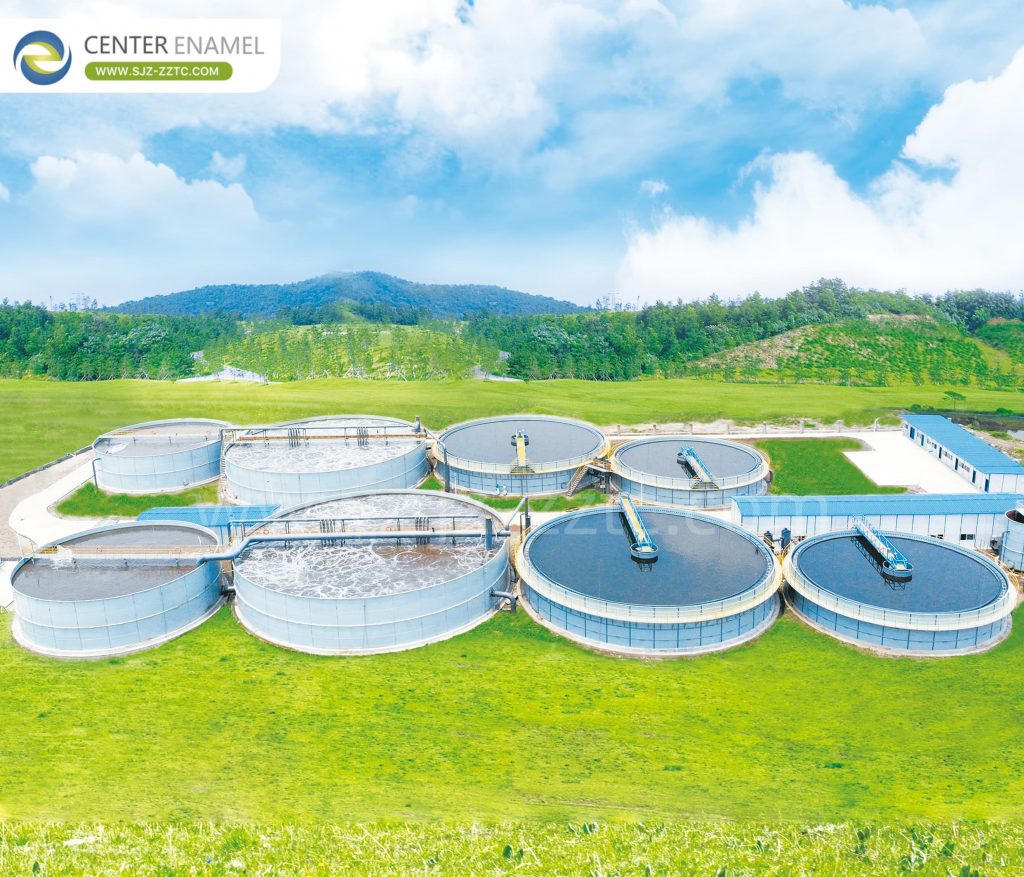
Water scarcity and stringent environmental regulations make efficient wastewater management a top priority for industries and municipalities alike. Before wastewater can undergo biological treatment, advanced oxidation, or final discharge, it must go through a critical phase known as pre-treatment of waste.
Pre-treatment is the foundational defense mechanism of any modern wastewater treatment plant (WWTP). It protects downstream equipment, removes harmful constituents, and stabilizes flow rates. This article explores the core stages of wastewater pre-treatment, the advantages of utilizing Glass-Fused-to-Steel (GFS) tanks, and how Center Enamel delivers world-class, customized solutions for global environmental challenges.
Screening and Debris Removal
The primary stage of wastewater pre-treatment begins with physical screening. Raw wastewater typically carries a wide array of large, solid debris, including plastics, rags, paper, wood, and grit. If allowed to pass into the treatment train, these materials can clog pipes, damage pumps, and disrupt biological processes.
Coarse Screens: Designed to capture large objects like branches and plastic bottles.
Fine Screens: Used to capture smaller suspended solids and fibers.
Grit Chambers: Slow down the flow velocity just enough to allow dense inorganic particles (sand, gravel, coffee grounds) to settle at the bottom while keeping organic matter suspended.
Effective screening ensures that subsequent treatment units operate smoothly without mechanical obstruction or premature wear.
Flow Equalization
Industrial production cycles and municipal water use fluctuate significantly throughout the day. These variations create hydraulic and organic shock loads that can overwhelm biological treatment systems. Flow equalization uses large storage basins-often referred to as equalization tanks-to smooth out these peaks and valleys.
By holding wastewater during peak flow periods and releasing it at a controlled, constant rate into the treatment plant, equalization achieves several vital goals:
Stabilizes pH and temperature fluctuations.
Dilutes toxic or high-concentration industrial waste streams.
Ensures consistent chemical dosing and biological activity downstream.
pH Adjustment and Neutralization
Industrial wastewater often carries extreme pH levels, ranging from highly acidic (e.g., metal finishing and chemical manufacturing) to severely alkaline (e.g., textile dyeing and paper pulping). Most biological treatment bacteria thrive only within a narrow pH range of 6.5 to 8.5. Furthermore, extreme pH can corrode concrete and metal infrastructure.
The pre-treatment phase incorporates neutralization tanks where acid (such as sulfuric acid) or caustic soda (sodium hydroxide) is automatically dosed based on real-time pH sensor feedback. Proper neutralization protects infrastructure and prepares the wastewater for chemical and biological phases.
Oil and Grease Separation
Fats, oils, and greases (FOG) are notorious troublemakers in wastewater treatment. Derived from food processing, commercial kitchens, and petroleum industries, FOG floats to the surface and coats biological flocs, pipes, and aeration equipment, starving microorganisms of oxygen.
Pre-treatment systems utilize specialized equipment such as API (American Petroleum Institute) separators, CPI (Corrugated Plate Interceptor) units, or Dissolved Air Flotation (DAF) systems. By allowing oil droplets to coalesce and rise or by using micro-bubbles to float suspended grease, operators can skim the surface layer cleanly off the wastewater stream before it causes operational failures.
Coagulation and Flocculation
Many colloidal particles and fine suspended solids carry a negative electrical charge, causing them to repel each other and remain suspended indefinitely in wastewater. Coagulation and flocculation are chemical pre-treatment steps designed to overcome this stability.
Coagulation: Involves adding coagulants (like alum, ferric chloride, or polymers) with positive charges to neutralize the negative charge of the colloids, prompting microscopic particles to clump together into micro-flocs.
Flocculation: Uses slow-mix basins and high-molecular-weight flocculant polymers to bind these micro-flocs into larger, heavier aggregates called macro-flocs that settle rapidly.
Sedimentation and Clarification
Once coagulation and flocculation have aggregated the suspended solids into heavy flocs, the wastewater enters a sedimentation tank or clarifier. In this calm environment, gravity pulls the heavy sludge downward to form a blanket at the bottom, while clarified water overflows the weir at the top.
The settled sludge is continuously scraped toward a central hopper and pumped out for dewatering and disposal, while the clarified liquid proceeds to biological or advanced treatment stages. Efficient clarification drastically reduces the Chemical Oxygen Demand (COD) and Total Suspended Solids (TSS) entering secondary systems.
Biological or Chemical Conditioning
Depending on the specific industrial sector-such as pharmaceutical, petrochemical, or food and beverage-wastewater may contain stubborn, recalcitrant compounds. Advanced pre-treatment conditioning may involve:
Pre-aeration: To freshen septic wastewater and strip out volatile organic compounds (VOCs).
Chemical Oxidation: Utilizing ozone, hydrogen peroxide, or Fenton's reagent to break down complex, toxic organic structures that resist biological breakdown.
Advantages of GFS Tanks in Wastewater Treatment
Choosing the right containment technology for pre-treatment balancing, equalization, and clarification is paramount. Glass-Fused-to-Steel (GFS) tanks-also known as Glass-Lined Steel tanks-have become the industry gold standard for wastewater treatment infrastructure.
Superior Corrosion Resistance: The fusion of high-grade glass at extreme temperatures (850℃ to 940℃) with steel creates an inert, impermeable bond. This makes GFS tanks immune to aggressive acids, alkalis, oils, and corrosive industrial chemicals.
Rapid Construction and Modularity: Unlike traditional concrete tanks that require weeks of curing, GFS tanks are engineered with bolt-together panel designs. This allows for fast installation on-site, significantly cutting down project timelines and labor costs.
Low Maintenance and Long Lifespan: The smooth, glass surface prevents bio-fouling, scale accumulation, and sludge adhesion, ensuring easy cleaning and a service life exceeding 30 years.
Scalability and Relocation: GFS tanks can be easily expanded, dismantled, or relocated if a facility needs to scale its wastewater treatment capacity or shift operations.
Center Enamel: Your Trusted Wastewater Treatment Solution Provider
When planning and executing a complex industrial or municipal wastewater pre-treatment project, partnering with an experienced industry leader is critical. Center Enamel is a globally recognized professional manufacturer and solution provider specializing in high-performance containment systems and environmental engineering.
With decades of industry expertise, Center Enamel offers a comprehensive one-stop service, covering:
Advanced Manufacturing: Utilizing state-of-the-art production lines to deliver premium GFS tanks, Epoxy-coated tanks, and stainless steel bolted tanks.
Customized Engineering Design: Tailoring pre-treatment systems, mixing units, and clarifier setups to meet exact client specifications and local discharge standards.
Global Project Execution: Successfully delivering reliable wastewater treatment and biogas storage solutions across municipal, agricultural, and industrial sectors in numerous countries worldwide.
By combining cutting-edge tank technology with rigorous engineering excellence, Center Enamel ensures that every client's pre-treatment facility operates with maximum efficiency, durability, and cost-effectiveness.
Frequently Asked Questions (FAQ)
1.What is the primary purpose of wastewater pre-treatment?
The primary purpose of wastewater pre-treatment is to remove harmful components-such as large solids, oils, grit, and extreme pH-that could damage downstream equipment, disrupt biological treatment processes, and ensure compliance with strict environmental discharge regulations.
2.Why are GFS tanks preferred over concrete tanks for wastewater applications?
Glass-Fused-to-Steel tanks offer superior corrosion resistance, much faster installation times due to bolted modular designs, lower long-term maintenance requirements, and the flexibility to be expanded or relocated compared to traditional, labor-intensive concrete structures.
3.How does Center Enamel support global environmental projects?
Center Enamel provides comprehensive wastewater treatment solutions by manufacturing premium bolted tanks (GFS, fusion-bonded epoxy) and offering expert engineering, custom design, and worldwide installation support for industrial and municipal clients.