
Continuous Stirred-Tank Reactor (CSTR) for Essential Oil Processing Wastewater Treatment Project
The extraction and processing of essential oils, used in everything from perfumes and cosmetics to food flavorings, generate a unique and complex wastewater stream. Effluent from an Essential Oil Processing Wastewater Treatment Project is characterized by a high organic load, the presence of aromatic and volatile inhibitory compounds (terpenes, phenols, and residual oils), and significant pH variability from distillation and cleaning processes. The core challenge lies in the unpredictable toxicity and rapid fluctuations that can destabilize conventional biological treatment.
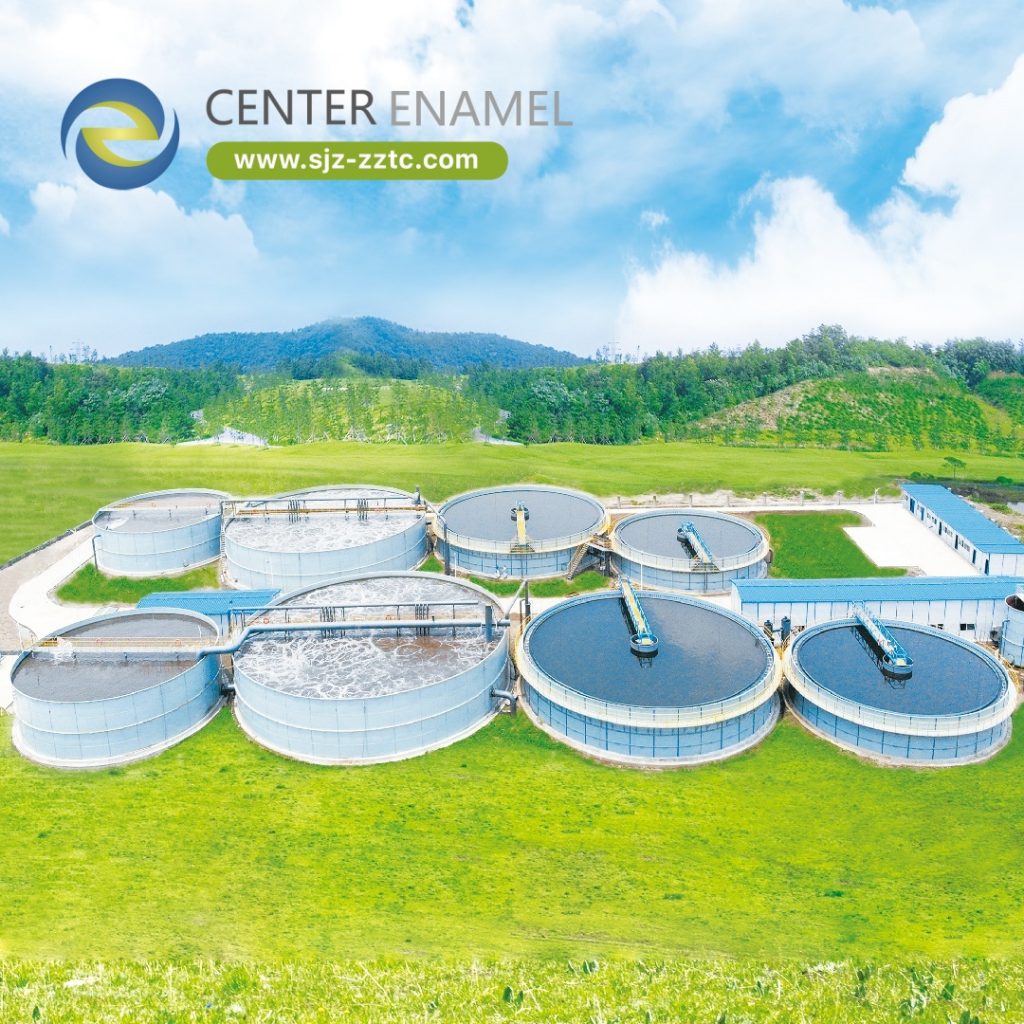
Shijiazhuang Zhengzhong Technology Co., Ltd (Center Enamel) offers the definitive solution: the Continuous Stirred-Tank Reactor (CSTR) System. The CSTR's complete mixing capability is essential for instantly diluting incoming inhibitory compounds and buffering pH shifts, ensuring the microbial environment remains stable and productive. When constructed with our superior, chemically resistant Glass-Fused-to-Steel (GFS) tanks, the CSTR forms a resilient, gas-tight, and highly efficient core for any modern Essential Oil Processing Wastewater Treatment Project, maximizing energy recovery and compliance.
The Complex Inhibitory Profile of Essential Oil Effluent
An effective Essential Oil Processing Wastewater Treatment Project must successfully neutralize the specific chemical and physical characteristics of the effluent:
Volatile Organic Inhibitors: Residual essential oils, including terpenes, terpenoids, and phenols, are often present. These compounds are highly inhibitory or toxic to anaerobic microorganisms, even at low concentrations, posing a constant threat of system failure.
High and Variable COD: The process generates effluent with a high Chemical Oxygen Demand (COD) from biodegradable organic matter (sugars, acids) and non-biodegradable oil components. The load is highly variable due to the batch nature of distillation and solvent-based extraction.
pH Extremes and Shock Loads: Cleaning cycles, chemical washes, and acid/alkaline process streams can introduce sudden, dramatic shifts in pH. Inadequate mixing allows for localized pH depression, leading to microbial inhibition.
Emulsified Oils and Solids: The wastewater often contains finely emulsified residual oils and suspended solids (plant material debris). These can coat and suffocate biomass in unmixed systems, leading to reduced efficiency.
The Continuous Stirred-Tank Reactor (CSTR) is the most reliable choice because its total mixing principle directly addresses the fundamental need for instantaneous dilution of the toxic and inhibitory compounds.
Technical Mastery: CSTR Stability Against Inhibitors and Volatility
The Continuous Stirred-Tank Reactor (CSTR) System is engineered to transform volatile, inhibitory waste streams into stable, high-yield biogas producers—a critical function for any Essential Oil Processing Wastewater Treatment Project.
Buffer Zone for Toxicity and pH
The CSTR's continuous and complete mixing is the ultimate safeguard against the unpredictable nature of essential oil waste:
Inhibitor Dilution: When a batch of wastewater containing inhibitory terpenes or high concentrations of cleaning chemicals enters the reactor, it is instantly distributed and diluted throughout the entire volume of the mixed liquor. This rapid dilution drops the concentration of the inhibitor below the toxic threshold, protecting the anaerobic biomass.
pH Stabilization: The CSTR acts as a perfect pH buffer. Sudden shifts in influent acidity or alkalinity are immediately neutralized by the bulk alkalinity present in the mixed liquor, ensuring that the sensitive methanogenic bacteria remain within their optimal pH range (pH6.5 to 7.5) for consistent biogas production.
Optimal Mass Transfer: The continuous agitation ensures intimate and prolonged contact between the organic substrate and the suspended microbial biomass. This maximizes the biological reaction rate, achieving high-rate COD removal while efficiently managing the complex organic molecules found in Essential Oil Processing Wastewater Treatment Project effluent.
Solids Management and Energy Recovery
Beyond chemical stability, the CSTR provides superior handling for the physical components of the waste:
Emulsified Oil and Solids Suspension: The powerful mixing action keeps all non-settling solids, fine plant debris, and emulsified oil droplets in suspension. This prevents the formation of scum layers or sediment that can disrupt gas collection and operational performance in static digesters.
High Methane Yield: The robust and stable environment maintained by the CSTR ensures the maximum possible conversion of the biodegradable organic load into methane-rich biogas. This energy recovery capability is crucial for offsetting the high energy demands associated with the steam distillation processes common in essential oil extraction.
Ease of Maintenance: The fully mixed nature of the CSTR prevents internal fouling, simplifying the maintenance required for the Essential Oil Processing Wastewater Treatment Project. This operational simplicity translates directly into reduced labor costs and increased uptime.
GFS Tanks: Unyielding Containment for Corrosive Industrial Loads
The chemical environment inside an anaerobic reactor processing essential oil waste is highly corrosive due to organic acids and volatile compounds. Housing a mechanical CSTR system requires a vessel with extreme durability and structural strength. Center Enamel’s Glass-Fused-to-Steel (GFS) tanks are specifically engineered to meet these demanding specifications.
Extreme Chemical Resistance: The GFS tank features an inert glass coating fused to the steel, creating an impermeable barrier that is highly resistant to the organic acids, cleaning chemicals, and corrosive vapors (H2S) generated during anaerobic digestion. This superior resistance guarantees structural integrity and a long service life against the aggressive effluent of an Essential Oil Processing Wastewater Treatment Project.
Structural Support for Agitation: CSTR systems utilize heavy-duty mechanical agitators. The GFS tank, built with high-strength, low-carbon steel panels, is engineered to provide the necessary structural stability to support these considerable dynamic and static loads over decades of continuous operation.
Guaranteed Gas-Tightness: Efficient and safe containment of the valuable biogas is essential. The modular, precision-engineered GFS design ensures a gas-tight enclosure, maximizing energy capture and providing necessary containment for any potentially odorous or volatile compounds from the essential oils.
Rapid and Safe Installation: The GFS system allows for modular and rapid bolt-together construction, significantly reducing installation time and construction costs compared to cast-in-place concrete structures, accelerating the commissioning of the Essential Oil Processing Wastewater Treatment Project.
Project Cases
Center Enamel has a proven global history of providing high-durability GFS tank containment for complex industrial, chemical, and high-load organic streams, similar to the demanding requirements of an Essential Oil Processing Wastewater Treatment Project.
Sichuan Luzhou Brewing Wastewater Project: We supplied containment for a major industrial organic stream, showcasing robustness against volatile loads. This project involved 1 unit with a capacity of 2,515 cubic meters, demonstrating our scale in high-load industrial applications.
Zhejiang Hangzhou Industrial Wastewater Station Added Enamel Reactor Project: We provided additional reactors for a growing industrial treatment station. This project involved 4 units with a total capacity of 1,217 cubic meters, highlighting the flexibility and modularity of GFS for facility expansion.
Thailand Industrial Wastewater Project: We supplied GFS containment for a large-scale international industrial facility. This project involved 1 unit with a capacity of 1,159 cubic meters, underscoring the trust in GFS for critical industrial infrastructure overseas.
Thailand Industrial Wastewater Project: A separate phase for the same facility, confirming the scalability of our solutions. This installation consisted of 1 unit with a total capacity of 743 cubic meters, showcasing diverse capacity needs met by the GFS design.
Guangdong Zhuhai Ink Wastewater Treatment Project: We provided robust containment for an industrial process with complex chemical characteristics. This project involved 2 units with a total capacity of 1,070 cubic meters, affirming the chemical resistance of our tanks in industrial settings.
Chongqing Industrial Wastewater Treatment Project: We supplied containment for a domestic industrial application with a demanding profile. This installation included 1 unit with a total capacity of 312 cubic meters, demonstrating our commitment to reliable containment across various industrial scales.
For a sustainable and compliant Essential Oil Processing Wastewater Treatment Project, the ability to withstand pH shocks and dilute inhibitory volatile compounds is paramount. The Continuous Stirred-Tank Reactor (CSTR) System is the optimal technology, providing instantaneous chemical and thermal homogenization through complete mixing. This high-resilience performance, coupled with the structural integrity and superior corrosion resistance of Center Enamel’s GFS tanks, delivers a durable, high-yield, and economically viable solution. Partner with Center Enamel to implement a cutting-edge CSTR system that transforms complex industrial waste into a reliable biogas energy source.