
Converting Household Organic Waste into Biogas: A Guide to Residential Energy Recovery
Every day, households discard significant volumes of organic material—from vegetable peelings and fruit scraps to leftover cooked food and coffee grounds. When sent to landfills, this biodegradable waste rots anaerobically under uncontrolled conditions, releasing massive amounts of fugitive methane into the atmosphere.
Harnessing small-scale or community-level anaerobic digestion allows individuals and urban neighborhoods to reverse this cycle. Converting household organic waste into biogas transforms daily kitchen scraps into clean cooking fuel, renewable electricity, and high-grade organic bio-fertilizer.
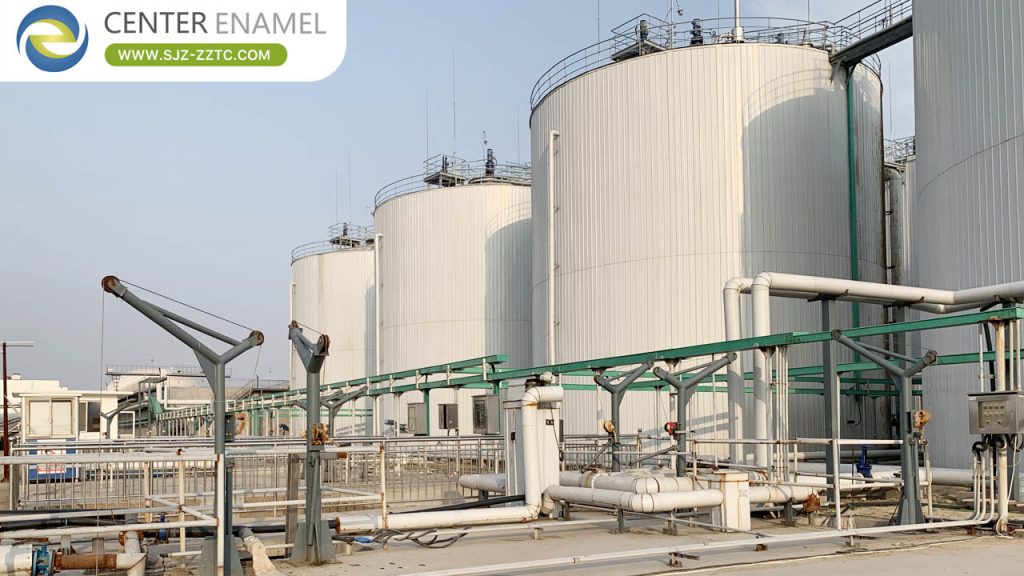
Understanding Household Organic Waste as a Feedstock
Not all residential waste behaves the same way inside a biodigester. Understanding the chemical and physical characteristics of household discards is vital for maintaining a healthy biological system:
- High Moisture Content: Residential food waste is typically 75% to 90% water, making it naturally pumpable or easily mixed into a liquid slurry.
- Rapid Biodegradability: Because kitchen scraps are rich in simple sugars, starches, and soluble proteins, microorganisms break them down much faster than woody or fibrous garden waste.
- The Acidification Risk: Rapid degradation causes volatile fatty acids (VFAs) to accumulate quickly. In small home systems, overloading the digester with too much food waste too fast can cause the system to "sour" and stall gas production.
The Step-by-Step Household Conversion Process
Whether utilizing a compact domestic biodigester or a community-scale aerobic/anaerobic unit, the transformation of kitchen scraps follows four biological stages:
- Source Sorting and Pre-Treatment: Organic kitchen waste must be carefully separated from non-organic contaminants like plastics, foil, and bones. Chopping or blending scraps into smaller pieces accelerates bacterial access.
- Feeding and Slurry Blending: Macerated food waste is mixed with water inside the reactor inlet to achieve an optimal total solids (TS) concentration.
- Anaerobic Digestion: Sealed inside an oxygen-free chamber, specialized microorganisms execute hydrolysis, acidogenesis, acetogenesis, and methanogenesis, converting the organic carbon into combustible methane (CH4) and carbon dioxide (CO2).
- Gas Capture and Utilization: The generated biogas rises to the top storage chamber, where it is channeled through gas lines and moisture filters directly to domestic gas stoves or heating burners.
Comparative Data Table: Household Waste Substrates
| Household Waste Type | Methane Potential | Processing Speed | Primary Operational Consideration |
| Fruit & Vegetable Scraps | High | Fast | Excellent gas yield; watch for excess water content |
| Cooked Rice & Pasta | Very High | Very Fast | High starch content; risk of rapid acidification if overloaded |
| Coffee Grounds & Tea Leaves | Moderate | Moderate | Provides steady carbon; avoid excessive tannin concentration |
| Meat, Fats & Dairy | Extremely High | Slow to Moderate | Can cause foaming and odor; use in strict moderation in home units |
| Garden & Yard Trimmings | Low to Moderate | Slow | Fibrous; requires chopping to prevent floating scum layers |
Frequently Asked Questions (FAQ)
Q1: Can I put meat and dairy products into a home biogas digester?
A: In small-scale household digesters, meat, dairy, and oily foods should be added in very strict moderation or avoided entirely. These items break down slowly, can cause severe foaming, attract pests, and increase the risk of system acidification.
Q2: How much biogas can a typical household system generate from kitchen waste?
A: A standard household biodigester processing roughly 1 to 2 kilograms of food waste per day can typically produce enough biogas to fuel a household stove for approximately 1 to 2 hours of daily cooking time.
Q3: What happens to the liquid waste left over after biogas is produced?
A: The remaining byproduct, known as liquid digestate, is expelled from the digester as a nutrient-rich organic fertilizer. Diluted with water, it can be safely used to nourish garden plants, indoor flowers, or lawns.