
CSTR Anaerobic Digester Reactors: The Sustainable Solution for Cow & Goat Slaughterhouse Wastewater
Effective wastewater treatment is a critical challenge for modern cow and goat slaughterhouses. These facilities generate a complex effluent with high organic loads and specific contaminants, demanding advanced treatment to meet stringent environmental regulations and maximize resource recovery.
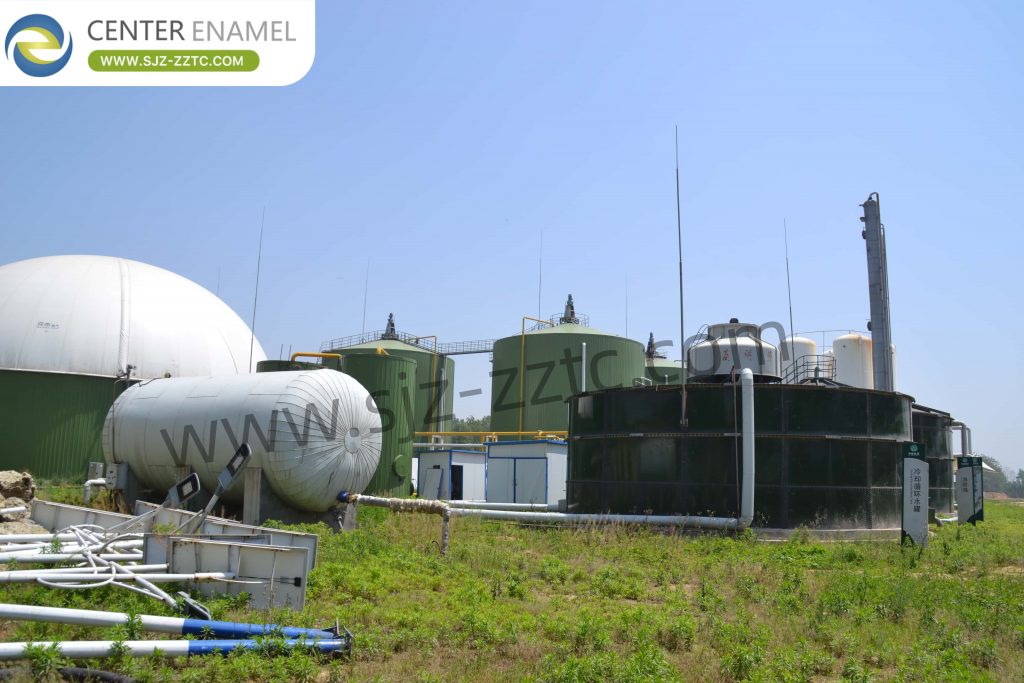
Shijiazhuang Zhengzhong Technology Co., Ltd (Center Enamel) is a recognized expert in deploying CSTR Anaerobic Digester Reactors for the highly efficient and sustainable treatment of this challenging industrial wastewater. Our commitment is to deliver robust and economically viable solutions that transform a significant environmental burden into a source of renewable energy and a compliant discharge, ensuring operational sustainability for slaughterhouses worldwide.
The Complex Nature of Cow & Goat Slaughterhouse Wastewater
Cow and goat slaughterhouse operations, while crucial for global food supply, generate significant volumes of wastewater with highly specific and challenging characteristics. This effluent is a complex mixture of blood, gut contents, fats, oils, and grease (FOG), dissolved and suspended organic matter, cleaning chemicals, and water from various processing steps. If not managed effectively, it poses substantial environmental and operational hurdles:
| Challenge | Description | Impact |
| High Suspended Solids (TSS) | Contains substantial amounts of suspended solids, including hair, skin particles, muscle tissue, and fine particulate matter | High TSS levels and potential clogging issues |
| High Fats, Oils, and Grease (FOG) | High concentrations of FOG from rendering and processing activities | Severe operational problems (clogging, floating layers, inhibition of biological activity), environmental pollution |
| Variable Flow and Load | Batch nature of slaughterhouse operations (slaughtering schedules, cleaning cycles) | Significant and rapid fluctuations in wastewater volume, temperature, and organic/FOG load |
| High Nutrient Content (N&P) | Elevated levels of nitrogen (from proteins, blood) and phosphorus | Eutrophication if released indiscriminately |
| Pathogen Risks | Can harbor numerous pathogens (e.g., E. coli, Salmonella) | Public health and biosecurity risks, necessitating effective pathogen reduction |
| Fluctuating pH | Cleaning-in-Place (CIP) activities utilizing acidic and caustic solutions | Rapid and wide pH swings, impacting biological treatment stability |
Effectively addressing these multifaceted challenges while also pursuing economic viability and resource recovery necessitates Advanced Slaughterhouse Wastewater Treatment strategies, with CSTR Anaerobic Digester Reactors emerging as a highly effective and robust core solution.
The Strategic Advantage of CSTR Anaerobic Digester Reactors for Slaughterhouse Wastewater
CSTR Anaerobic Digester Reactors (Continuous Stirred Tank Reactors) offer a uniquely powerful and highly effective approach to sustainable Cow & Goat Slaughterhouse Wastewater treatment. Their design characteristics make them exceptionally well-suited to handle the high organic and FOG loads typical of this industry, while simultaneously delivering significant environmental, economic, and circular economy benefits:
| Advantage | Description | Benefit |
| Superior Organic Load Reduction | CSTRs excel at breaking down exceptionally high concentrations of BOD and COD, including complex proteins and FOG | High degradation rates, significant reduction in environmental load |
| Effective FOG Degradation | Properly designed CSTRs, especially with specific microbial populations and pre-treatment, can effectively hydrolyze and degrade fats, oils, and grease | Prevents accumulation, improves overall treatment efficiency |
| Maximized Biogas Production | Continuous, well-mixed, and often heated environment provides optimal conditions for methanogenic bacteria | Consistently high and stable biogas yields from highly energetic slaughterhouse waste |
| Significant GHG Emission Reduction | Captures methane that would otherwise be released from open wastewater lagoons | Mitigates climate change, improves carbon footprint, potential for carbon credit generation |
| Profound Odor Abatement | Encapsulating anaerobic decomposition within a sealed CSTR reactor | Drastically reduces noxious odorous compounds, improves air quality, mitigates community complaints |
Biogas Utilization Options
The methane-rich biogas produced can be captured and efficiently utilized on-site for:
Electricity Generation: Powering the entire slaughterhouse operation (refrigeration, processing lines, lighting), significantly reducing energy bills, cutting reliance on fossil fuels, and potentially selling surplus electricity to the grid for substantial revenue.
Process Heat: Providing heat for water, rendering processes, digesters themselves (optimizing digestion temperature), or other operational needs, further offsetting energy costs.
Biomethane Production: Upgraded biogas (biomethane) can be injected into the natural gas pipeline or used as vehicle fuel for company fleets, creating additional revenue streams and enhancing energy independence.
Center Enamel's CSTR Anaerobic Digester Reactors for Cow & Goat Slaughterhouse Wastewater
Shijiazhuang Zhengzhong Technology Co., Ltd (Center Enamel) offers a comprehensive suite of CSTR Anaerobic Digester Reactors and integrated solutions specifically designed to address the complex challenges and maximize the resource recovery potential of Cow & Goat Slaughterhouse Wastewater. Our approach integrates innovative anaerobic processes with robust infrastructure and comprehensive project management.
Optimized Pre-Treatment for Slaughterhouse Effluents
Given the extreme characteristics of slaughterhouse wastewater, meticulous pre-treatment is paramount for the efficiency and longevity of the CSTR system. We design comprehensive pre-treatment trains including:
Coarse Screening: To remove large debris like hair, gut contents, and solid particles.
Oil & Grease Removal: Specialized fat traps, dissolved air flotation (DAF), or coagulation/flocculation followed by flotation are crucial for effective removal of free and emulsified FOG, preventing inhibition and clogging in the digester.
Equalization Basins: Essential for buffering significant fluctuations in flow rate, temperature, pH, and organic load, providing a stable and consistent feed to the CSTR, thereby optimizing its performance.
pH Adjustment & Temperature Pre-heating: Automatic pH adjustment may be necessary to ensure optimal conditions for anaerobic digestion. Waste heat from biogas utilization can be employed for pre-heating the influent to optimal mesophilic or thermophilic digestion temperatures.
High-Performance CSTR Reactor Design
Our CSTR designs are optimized for maximum efficiency in cow & goat slaughterhouse wastewater:
Robust Mixing Systems: We integrate powerful and energy-efficient mechanical agitators or biogas recirculation systems to ensure uniform mixing of high-solids, FOG-rich slurries, preventing stratification, promoting optimal microbial activity, and maximizing biogas yield.
Heating Systems: Efficient internal or external heating coils/jackets maintain optimal digestion temperatures, crucial for consistent biogas production and enhanced pathogen reduction.
Optimized Retention Times: Our designs factor in appropriate Hydraulic Retention Times (HRT) and Solids Retention Times (SRT) to ensure thorough degradation of complex organic matter, including FOG, and stable operation.
Robust Post-Treatment for Final Compliance and Resource Recovery
While CSTR digestion achieves significant organic removal, further polishing is often required to meet stringent final discharge standards and maximize resource recovery:
Aerobic Polishing: For residual BOD/COD and nitrification (conversion of ammonia nitrogen to nitrates), often using activated sludge or moving bed biofilm reactors (MBBR).
Nutrient Removal/Recovery: Advanced biological (e.g., denitrification, Anammox) or chemical (e.g., struvite crystallization for phosphorus and magnesium recovery) methods to reduce nitrogen and phosphorus levels, potentially creating marketable bio-fertilizers.
Sludge Dewatering: Efficient dewatering (e.g., using screw presses, belt filters, centrifuges) significantly reduces the volume of digestate/sludge for disposal, minimizing transport and land application costs.
Water Reuse: Potential for treated effluent to be reused for non-potable applications within the slaughterhouse (e.g., cleaning, general washing), reducing freshwater consumption.
Comprehensive Biogas Management and Utilization Systems
A key economic and environmental benefit. Center Enamel provides end-to-end solutions for efficient biogas collection, purification, storage, and utilization:
Biogas Collection and Storage: Gas-tight covers (e.g., large-capacity double membrane gas holders) are integrated directly onto or adjacent to the CSTRs to efficiently capture all generated biogas.
Biogas Purification: High-efficiency desulfurization (H2S removal) units are critical for corrosive biogas from slaughterhouse waste, preventing damage to engines, boilers, and other downstream equipment.
Biogas Utilization: Integration with Combined Heat and Power (CHP) units for on-site electricity and heat generation (offsetting energy purchases), or advanced upgrading systems for biomethane production suitable for grid injection or use as vehicle fuel.
Advanced Automation and Monitoring
State-of-the-art SCADA systems and real-time monitoring ensure stable digester operation, optimize biogas production, and facilitate rapid response to any process deviations, critical for consistent compliance and efficiency in dynamic industrial environments.
The Cornerstone of Reliability: Center Enamel's Durable Tank Solutions
The long-term operational success, efficiency, and reliability of any CSTR Anaerobic Digester Reactors for Cow & Goat Slaughterhouse Wastewater critically depend on the integrity and durability of their containment infrastructure. Slaughterhouse wastewater is highly corrosive, contains high FOG, and the sheer scale of operations demands exceptionally robust and leak-proof tanks. Center Enamel's expertise in manufacturing world-class, durable tank solutions is a cornerstone of our offerings, ensuring the longevity and optimal performance of your wastewater treatment system:
| Tank Technology | Description | Advantages |
| Glass-Fused-to-Steel (GFS) Tanks | Premium solution with inert glass coating chemically bonded to steel at high temperatures | Unparalleled corrosion and abrasion resistance, ideal for fluctuating pH, high temperatures, high FOG, and corrosive biogas (H2S), minimal maintenance, exceptionally long service life, lowest lifetime cost |
| Fusion Bonded Epoxy Tanks (Bolted Steel Tanks) | Steel sheets coated with factory-applied, highly durable fusion bonded epoxy | Excellent resistance to wide range of chemicals, robust, cost-effective, long-lasting solution for various process and storage tanks |
| Stainless Steel Tanks | For applications requiring highest level of corrosion resistance and hygiene | Exceptional durability, clean, non-reactive surface, ideal for certain post-treatment stages or specific process streams |
| Welded Steel Tanks | For specific project requirements where large, custom-fabricated tanks are needed and on-site welding is feasible | Can be internally coated to enhance corrosion resistance, robust, monolithic structure for various process applications |
Aluminum Dome Roofs and Other Covers
Beyond the tank bodies themselves, Center Enamel provides advanced roofing and covering solutions essential for anaerobic digestion systems. Our aluminum dome roofs are lightweight, corrosion-resistant, self-supporting structures, ideal for covering large-diameter tanks, ensuring gas-tightness and protection. We also offer various gas-tight membrane covers and structural steel roofs with membrane or solid cladding, tailored to specific biogas collection and containment needs, preventing fugitive emissions and maximizing energy capture.
Project Overview
Our expertise in implementing tailored solutions for complex environmental challenges is demonstrated through a diverse portfolio of successful projects across various industries and regions.
Project 1: Slaughterhouse Wastewater Treatment in an Eastern European Country
| Project Aspect | Details |
| Location | Eastern Europe |
| Client | Large-scale slaughterhouse |
| Scope of Work | Comprehensive wastewater treatment solution for high-strength slaughterhouse effluent |
| Technologies Used | CSTR Anaerobic Digester Reactor, Glass-Fused-to-Steel (GFS) tank, pre-treatment and biogas management systems |
| Project Scale | 1 CSTR unit |
| Total Capacity | 1,200 cubic meters |
| Project Results | Foundational infrastructure for sustainable energy production, effective organic load reduction, biogas generation |
| Client Testimonial | "Center Enamel's CSTR solution has provided us with a reliable and sustainable method for treating our challenging slaughterhouse wastewater. The system's performance has exceeded our expectations, and the biogas production has significantly reduced our energy costs." |
Project 2: Dairy Wastewater Treatment in a South American Country
| Project Aspect | Details |
| Location | South America |
| Client | Dairy processing facility |
| Scope of Work | Design and supply of anaerobic digestion system for dairy wastewater treatment |
| Technologies Used | CSTR technology, GFS tanks, integrated process control |
| Project Scale | 2 tanks |
| Total Capacity | 2,249 cubic meters |
| Project Results | Foundational and reliable system for a challenging environment, effective wastewater treatment |
| Client Testimonial | "The Center Enamel team delivered a robust solution that handles our dairy wastewater efficiently. Their expertise in anaerobic digestion has been invaluable to our operations." |
Project 3: Brewery Wastewater Treatment in a North American Country
| Project Aspect | Details |
| Location | North America |
| Client | Brewery |
| Scope of Work | Wastewater treatment solution for brewery effluent |
| Technologies Used | CSTR anaerobic digestion, GFS tank technology |
| Project Scale | 1 tank |
| Total Capacity | 1,210 cubic meters |
| Project Results | Environmental compliance, operational efficiency, biogas production |
| Client Testimonial | "Center Enamel's wastewater treatment solution has helped us achieve environmental compliance while generating renewable energy. Their team was professional and responsive throughout the project." |
Project 4: Municipal Sewage Treatment in a Chinese City
| Project Aspect | Details |
| Location | China |
| Client | Municipal sewage treatment facility |
| Scope of Work | Tank supply for municipal sewage treatment infrastructure |
| Technologies Used | GFS tank technology |
| Project Scale | 1 tank |
| Total Capacity | 1,023 cubic meters |
| Project Results | Meets rigorous demands of urban water management |
| Client Testimonial | "Center Enamel's tank solution has been an excellent addition to our municipal sewage treatment infrastructure. The quality and durability of their products are outstanding." |
Project 5: Firefighting Water Storage in an African Country
| Project Aspect | Details |
| Location | Africa |
| Client | Public utility |
| Scope of Work | Firefighting water storage tank supply |
| Technologies Used | GFS tank technology |
| Project Scale | 1 tank |
| Total Capacity | 1,210 cubic meters |
| Project Results | Tailored solution for a demanding public utility application |
| Client Testimonial | "Center Enamel delivered a tailored solution for our firefighting water storage needs. Their tanks are reliable and built to last, providing us with peace of mind." |
Project 6: Dry Bulk Storage in a European Country
| Project Aspect | Details |
| Location | Europe |
| Client | Major facility |
| Scope of Work | Dry bulk storage solution |
| Technologies Used | GFS tank technology |
| Project Scale | 1 tank |
| Total Capacity | 1,800 cubic meters |
| Project Results | Handles demanding non-liquid storage needs |
| Client Testimonial | "Center Enamel's storage solution has been instrumental in our operations. Their ability to handle demanding non-liquid storage needs is impressive, and the tanks have performed flawlessly." |
Center Enamel: Your Strategic Partner for Slaughterhouse Wastewater Projects
Shijiazhuang Zhengzhong Technology Co., Ltd (Center Enamel) provides end-to-end EPC (Engineering, Procurement, and Construction) services for Cow & Goat Slaughterhouse Wastewater projects, offering a holistic approach from initial concept to successful commissioning and ongoing support:
| Service | Description |
| Detailed Wastewater Characterization & Resource Assessment | Comprehensive analysis of your facility's specific wastewater characteristics (volume, composition, FOG, protein content) and energy demands to design the most efficient and economically beneficial CSTR Anaerobic Digester Reactors system |
| Customized System Design & Optimization | Experienced engineers develop bespoke solutions, integrating optimal CSTR configurations, robust pre-treatment, and sophisticated post-treatment strategies to meet specific discharge limits, resource recovery goals, and local regulatory requirements |
| High-Quality Tank Manufacturing & Supply | Fabrication of high-quality Glass-Fused-to-Steel or Fusion Bonded Epoxy tanks, engineered for the demands of slaughterhouse wastewater treatment, ensuring superior durability and reliability |
| Biogas Handling & Utilization Systems | Design and integration of complete biogas systems, including collection, high-efficiency desulfurization, compression, storage, and advanced energy conversion units (e.g., large-scale CHP or biomethane upgrading) |
| Efficient Project Management & Installation | Dedicated project teams ensure seamless execution, from planning and procurement to on-site assembly and commissioning, minimizing disruption to slaughterhouse operations and ensuring timely delivery |
Beyond Cow & Goat Slaughterhouse Wastewater, Center Enamel leverages extensive EPC capabilities across diverse sectors. This includes municipal and various industrial wastewater treatment (e.g., brewing, food processing, pharmaceutical, chemical, palm oil), agricultural wastewater (livestock, dairy, poultry), landfill leachate treatment, and comprehensive natural gas and biogas energy projects. This broad portfolio underscores our deep understanding of CSTR Anaerobic Digester Reactors and their robust application across various complex waste streams.
Butchering Pollution, Cultivating Sustainability
For the modern cow and goat slaughterhouse industry, investing in CSTR Anaerobic Digester Reactors is not merely an environmental obligation; it's a critical strategic move for long-term sustainability, enhanced profitability, and responsible resource management. By transforming challenging, high-strength slaughterhouse wastewater into valuable renewable energy, bio-fertilizers, and compliant clean water, facilities can significantly reduce their environmental footprint, generate substantial new revenue streams, achieve stringent environmental compliance, and boost their social license to operate. Shijiazhuang Zhengzhong Technology Co., Ltd (Center Enamel), with its proven expertise in CSTR Anaerobic Digester Reactors and robust, durable tank infrastructure, is your ideal strategic partner. Choose Center Enamel to implement a smart, reliable, and sustainable wastewater treatment system that protects our planet and cultivates a greener, more prosperous future for the meat processing industry.
Conclusion
Center Enamel's CSTR Anaerobic Digester Reactors represent the sustainable solution for cow and goat slaughterhouse wastewater treatment. By combining advanced anaerobic digestion technology, robust Glass-Fused-to-Steel tank infrastructure, comprehensive pre- and post-treatment, and end-to-end biogas management, Center Enamel transforms challenging slaughterhouse effluent into valuable renewable energy, bio-fertilizers, and compliant clean water. With proven project success across Europe, South America, North America, China, Africa, and beyond, Center Enamel is your ideal strategic partner for achieving environmental compliance, operational sustainability, and enhanced profitability in the meat processing industry.
For more information about our CSTR Anaerobic Digester Reactors and how we can support your slaughterhouse wastewater treatment goals, contact Center Enamel today.
Frequently Asked Questions (FAQ)
Q1: What is a CSTR Anaerobic Digester Reactor?
A: A CSTR (Continuous Stirred Tank Reactor) Anaerobic Digester is a sealed, heated, and continuously mixed reactor where microorganisms break down organic matter in the absence of oxygen. In slaughterhouse wastewater treatment, CSTRs excel at handling high organic loads and fats, oils, and grease (FOG) while producing methane-rich biogas as a renewable energy source.
Q2: Why are CSTR reactors ideal for cow and goat slaughterhouse wastewater?
A: Slaughterhouse wastewater contains high concentrations of blood, FOG, suspended solids, and fluctuating pH. CSTRs provide superior organic load reduction, effective FOG degradation, maximized biogas production, profound odor abatement, and significant greenhouse gas reduction—all while being robust enough to handle variable flow and load.
Q3: What are the main challenges of slaughterhouse wastewater?
A: Key challenges include high suspended solids (TSS), high fats, oils, and grease (FOG), variable flow and load from batch operations, high nutrient content (nitrogen and phosphorus), pathogen risks, and fluctuating pH from cleaning chemicals.
Q4: How does Center Enamel's CSTR system handle FOG in slaughterhouse wastewater?
A: Center Enamel's CSTR designs integrate powerful mechanical agitators or biogas recirculation systems that ensure uniform mixing of high-solids, FOG-rich slurries. Combined with optimized pre-treatment (oil & grease removal, DAF, equalization), the system effectively hydrolyzes and degrades FOG, preventing accumulation and inhibition.
Q5: What biogas utilization options does Center Enamel offer?
A: Center Enamel provides end-to-end biogas management including collection, high-efficiency desulfurization (H2S removal), storage, and utilization through Combined Heat and Power (CHP) units for on-site electricity and heat, or advanced upgrading systems for biomethane production for grid injection or vehicle fuel.