
How Does a CSTR Anaerobic Digester Work for Livestock Manure and Wastewater Treatment?
This article explains how a CSTR anaerobic digester treats livestock manure and wastewater, converting organic waste into biogas through a controlled anaerobic digestion process. It also explores the complete biogas production and purification process, renewable energy applications, and digestate recycling, helping livestock farms achieve sustainable waste management and resource recovery.
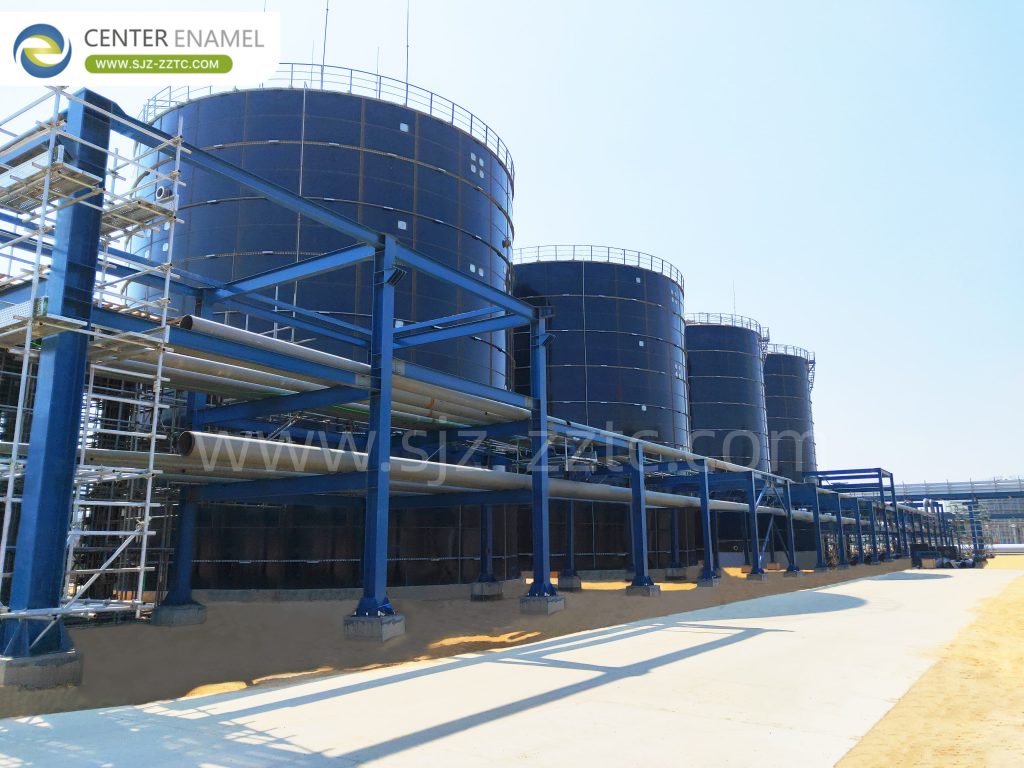
Why Use a CSTR Anaerobic Digester for Livestock Manure?
Livestock farming generates large quantities of manure and wastewater every day. Without proper treatment, these organic wastes can cause unpleasant odors, water pollution, greenhouse gas emissions, and environmental problems.
A CSTR (Continuous Stirred Tank Reactor) anaerobic digester offers an effective solution by converting organic matter in animal manure into biogas under oxygen-free conditions.
Unlike conventional manure storage systems, a CSTR anaerobic digestion system combines continuous feeding, mechanical mixing, temperature control, and biological treatment. It allows livestock farms to manage manure efficiently while recovering renewable energy and valuable agricultural nutrients.
As illustrated in the process diagram, the complete system includes a CSTR digester, gas holder, biogas dehydration and desulfurization equipment, gas utilization equipment, solid-liquid separation equipment, and digestate storage facilities.
What Is a CSTR Anaerobic Digester?
A CSTR is a continuously stirred tank reactor designed to provide a stable environment for anaerobic microorganisms.
Inside the sealed digester, microorganisms break down biodegradable organic materials without oxygen. Through several biological stages, complex organic compounds are converted into methane-rich biogas and stabilized digestate.
The main characteristics of a CSTR anaerobic digester include:
Continuous or semi-continuous feeding and discharge.
Mechanical mixing to improve substrate distribution.
Controlled temperature and retention time.
High treatment efficiency for pumpable organic waste.
Simultaneous biogas production and organic waste stabilization.
For livestock farms, CSTR technology is particularly suitable for liquid or slurry manure from pig farms, dairy farms, and other animal production facilities.
How Does the CSTR Anaerobic Digestion Process Work?
The working process begins with collecting and preparing livestock manure before introducing it into the anaerobic digestion system.
Step 1: Manure Collection and Feeding
Animal manure and wastewater are collected from livestock houses and transferred to a pretreatment or feeding system.
Large impurities, stones, bedding materials, and other unwanted substances should be removed when necessary. The manure is adjusted to a suitable solids concentration before entering the digester.
Step 2: Anaerobic Digestion in the CSTR Tank
The prepared manure enters the sealed CSTR tank, where mechanical mixing keeps the organic materials evenly distributed.
Anaerobic microorganisms gradually decompose the organic matter through four major biological stages:
Hydrolysis: Complex organic substances are broken down into soluble compounds.
Acidogenesis: Soluble compounds are converted into volatile fatty acids and other intermediate products.
Acetogenesis: Intermediate compounds are converted mainly into acetate, hydrogen, and carbon dioxide.
Methanogenesis: Methane-producing microorganisms convert these compounds into methane and carbon dioxide.
The resulting biogas accumulates above the liquid inside the digester and is transferred to a gas holder.
Step 3: Biogas Collection and Storage
The gas holder temporarily stores biogas generated by the CSTR.
This storage facility helps balance variations between gas production and gas consumption, providing a more stable gas supply for downstream equipment.
Step 4: Biogas Purification
Raw biogas generally contains methane, carbon dioxide, water vapor, hydrogen sulfide, and trace impurities.
As shown in the diagram, the gas treatment line includes dehydration and desulfurization equipment. These units remove moisture and hydrogen sulfide to protect pipelines, boilers, gas engines, and other equipment from corrosion and damage.
Step 5: Gas Pressure Regulation and Distribution
After purification, a booster fan increases or stabilizes the gas pressure when required.
A flowmeter measures gas consumption and production, helping operators monitor system performance and manage gas distribution.
The treated biogas can then be supplied to different energy utilization systems.
Biogas Evolution: From Livestock Manure to Renewable Energy
The main advantage of a CSTR anaerobic digestion plant is its ability to transform livestock waste into usable energy.
According to the illustrated system, purified biogas can be directed to several applications:
| Biogas utilization equipment | Main function |
| Biogas generator | Produces electricity for farm operations or grid-connected applications |
| Biogas boiler | Uses biogas to generate heat for heating water, buildings, or industrial processes |
| CNG upgrading system | Further purifies biogas to meet the required biomethane quality for compression and storage |
| Gas flare (torch) | Safely burns excess biogas when it cannot be utilized |
It is important to distinguish ordinary biogas purification from biomethane upgrading. Dehydration and desulfurization remove specific impurities, while upgrading also reduces carbon dioxide to increase methane concentration.
This creates opportunities for livestock farms to reduce conventional energy consumption and improve the economic value of manure treatment.
Key Operating Conditions of a CSTR Anaerobic Digester
Stable operating conditions are essential for maintaining microbial activity and achieving consistent biogas production.
The following table provides typical reference ranges. Actual parameters should be determined through feedstock testing, process design, and commissioning.
| Operating parameter | Typical reference range |
| Mesophilic temperature | 35–38°C |
| Thermophilic temperature | 50–55°C |
| pH value | 6.8–7.5 |
| Hydraulic retention time (HRT) | Approximately 20–40 days |
| Organic loading rate (OLR) | Commonly 1–3 kg VS/m³·day |
| Mixing | Continuous or intermittent, depending on design |
Manure characteristics vary considerably depending on animal species, feeding methods, dilution water, and collection systems. Therefore, the design should not rely on a single standard operating value.
Proper temperature control, gradual loading, effective mixing, and alkalinity monitoring help prevent acid accumulation and process instability.
Digestate Treatment: Turning Residue into Agricultural Resources
After anaerobic digestion, the remaining material is called digestate. It contains water, organic matter, and nutrients such as nitrogen, phosphorus, and potassium.
As shown in the diagram, digestate from the CSTR is transferred to a solid-liquid separation unit.
This process produces two main fractions:
Solid digestate: The separated solid fraction can be further processed, composted, or used as an organic soil amendment, subject to quality and regulatory requirements.
Liquid digestate: The liquid fraction can be stored in a black film pond or another suitable storage facility before being applied to farmland according to crop nutrient requirements.
This nutrient recycling process helps return valuable agricultural resources to the soil and reduces dependence on conventional fertilizers.
However, digestate must be properly managed. Nutrient testing, storage capacity, land availability, and local environmental regulations should all be considered before agricultural application.
Main Applications of CSTR Technology in Livestock Farming
CSTR anaerobic digestion technology is widely applicable to livestock farms that generate large quantities of biodegradable manure and wastewater.
Pig farms: Treats pig manure and wastewater while recovering methane for electricity or heating.
Dairy farms: Processes cattle manure and helps reduce organic pollution and odors.
Poultry farms: Can be used for suitable poultry manure mixtures, although high solids content and ammonia concentration may require pretreatment or co-digestion.
Integrated agricultural projects: Combines livestock waste treatment, renewable energy generation, and digestate recycling.
For high-solids manure, fibrous materials, or waste streams with high ammonia concentrations, pretreatment, dilution, co-digestion, or alternative reactor configurations may be required.
Advantages of a CSTR Anaerobic Digestion System
A properly designed CSTR biogas plant provides several environmental and operational benefits.
1. Effective organic waste treatment
Anaerobic digestion reduces biodegradable organic matter and helps control the environmental impact of untreated manure.
2. Renewable energy recovery
Methane-rich biogas can be used for electricity, heating, or upgraded biomethane production.
3. Odor and emissions management
Sealed digestion and controlled gas collection can reduce uncontrolled odor emissions and methane release compared with poorly managed manure storage.
4. Nutrient recycling
Digestate can be processed and reused as an agricultural nutrient source when it meets applicable safety and quality requirements.
5. Integrated farm waste management
The system connects manure treatment, biogas production, energy utilization, and fertilizer management into one integrated solution.
How to Select a Suitable CSTR Biogas Plant
Selecting the right CSTR system requires more than calculating the daily manure volume. A reliable engineering solution should consider the entire waste treatment and energy recovery process.
Key factors include:
Daily manure production and wastewater volume.
Total solids (TS) and volatile solids (VS) content.
Organic loading rate and hydraulic retention time.
Required digester volume and heating capacity.
Biogas production potential and methane concentration.
Gas purification and utilization requirements.
Digestate separation, storage, and agricultural land availability.
Local climate, construction conditions, and environmental regulations.
A professional feasibility assessment and feedstock analysis can help determine the appropriate digester configuration, equipment capacity, and expected project performance.
Frequently Asked Questions (FAQs)
FAQ 1: What types of livestock manure can be treated by a CSTR anaerobic digester?
CSTR systems are commonly used for pumpable pig manure, dairy cow manure, and other biodegradable animal manure slurries. Poultry manure and high-solids materials may require dilution, pretreatment, or co-digestion to achieve stable operation.
FAQ 2: How long does livestock manure stay inside a CSTR digester?
The hydraulic retention time commonly ranges from approximately 20 to 40 days for mesophilic systems, although the actual design depends on manure characteristics, temperature, organic loading rate, and treatment objectives.
FAQ 3: What can be done with biogas and digestate after anaerobic digestion?
Biogas can be used in generators and boilers or upgraded into biomethane. Digestate can be separated into solid and liquid fractions, stored, further treated, and applied to farmland as a nutrient resource when it complies with relevant regulations.
Contact Us for a Customized CSTR Biogas Solution
Looking for an efficient solution for livestock manure treatment and biogas production? Our engineering team can help you evaluate your feedstock, design a suitable CSTR anaerobic digestion system, and integrate biogas purification and digestate treatment equipment.
Contact us today to discuss your livestock waste treatment requirements and receive a customized biogas plant proposal.