
Cutting-Edge Landfill Leachate Wastewater Treatment Technology for Complex Effluents
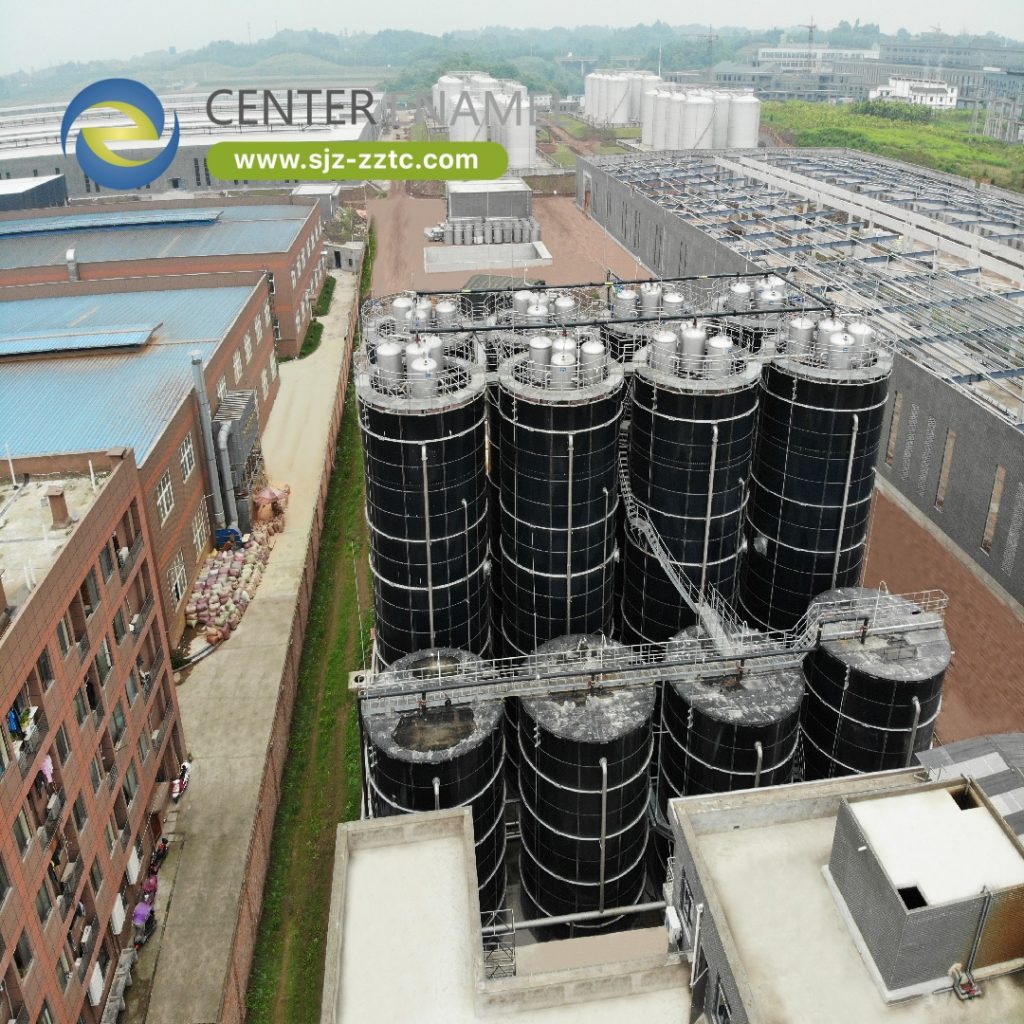
Landfill leachate represents one of the most formidable challenges in the environmental engineering sector. As rainwater percolates through decomposing municipal solid waste, it produces a concentrated effluent characterized by extreme variability, high concentrations of ammonia nitrogen, concentrated refractory organic loads, and heavy metals. Treating this complex stream—often toxic and highly corrosive—requires more than conventional wastewater methods; it demands specialized, durable, and Cutting-Edge Landfill Leachate Wastewater Treatment Technology.
Shijiazhuang Zhengzhong Technology Co., Ltd (Center Enamel) delivers the integrated, high-resilience solutions necessary to transform this challenging effluent into compliant discharge or reusable water. We are specialists in providing the foundational containment that enables success in the toughest waste management environments, guaranteeing long-term asset integrity and uncompromising performance.
The cornerstone of our solution is the chemically superior Glass-Fused-to-Steel (GFS) tank. These tanks provide the essential, corrosion-resistant containment for the most demanding physical-chemical and biological processes required by Landfill Leachate Wastewater Treatment Technology, ensuring utilities meet stringent environmental regulations today and adapt to stricter mandates tomorrow.
The Extreme Complexity of Landfill Leachate
Effective Landfill Leachate Wastewater Treatment Technology must address a unique profile of contaminants that make the stream fundamentally different from industrial or municipal sewage.
1. Key Characteristics of Leachate Effluent
Extreme Variability: Leachate composition changes constantly, influenced by the age of the landfill, waste type, and seasonal rainfall. This necessitates robust equalization and adaptable treatment trains.
High Ammonia Nitrogen Concentration: Leachate typically contains ammonia nitrogen at highly elevated concentrations, requiring specialized, advanced biological or physical-chemical removal stages to prevent aquatic toxicity.
Refractory Organic Load: Older landfills produce leachate with high concentrations of non-biodegradable, high-molecular-weight organic compounds (refractory COD). These contaminants resist conventional biological treatment and demand tertiary polishing technologies like reverse osmosis or advanced oxidation.
Corrosion and Odor: The presence of sulfides, organic acids, and variable acidity levels makes leachate highly corrosive to containment materials. Furthermore, the concentration of volatile organic compounds necessitates specialized odor control measures.
2. The Mandate for Durable, Multi-Stage Technology
Due to its complexity, no single process can effectively treat leachate. Landfill Leachate Wastewater Treatment Technology must be integrated, employing a combination of highly durable primary containment, biological processing, and intensive tertiary treatment. The containment vessel must be able to withstand the highly aggressive environment inherent in the leachate stream.
Foundational Durability: GFS Containment in Leachate Treatment
In the highly corrosive environment of leachate management, the selection of the containment material is paramount to system longevity and operational cost control. Glass-Fused-to-Steel (GFS) tanks provide the superior durability required for Landfill Leachate Wastewater Treatment Technology.
1. Uncompromising Corrosion Resistance
Chemical Resilience: The fused glass surface of GFS tanks is inherently resistant to the aggressive organic acids, chlorides, and ammonia found in leachate, providing a reliable barrier against corrosion that far surpasses standard concrete or epoxy coatings.
Minimized Downtime: In high-utilization environments like landfills, shutting down a treatment process is costly. GFS tanks offer decades of service life without the need for internal repairs or recoating due to chemical wear.
Structural Integrity for Mixing: The high-strength steel shell provides the structural support needed for deep tanks and the powerful, continuous mixing equipment required to keep leachate contents suspended and uniform.
2. Versatility in Treatment Stages
GFS tanks are deployed across the entire leachate treatment train, from the initial collection to final discharge:
Equalization: Large GFS tanks buffer the extreme hydraulic and organic load variability of the leachate before it enters the main reactors.
Biological Reactors: GFS is ideal for anoxic and aerobic basins where ammonia nitrogen removal occurs.
Sludge Storage: The corrosive nature of leachate sludge requires the chemical resilience of GFS for dewatering and stabilization units.
Innovative Applications: Odor and Emission Control
Beyond contaminant removal, effective Landfill Leachate Wastewater Treatment Technology must incorporate robust strategies for odor control and emission capture, a significant concern at any landfill site. Center Enamel provides solutions tailored to this need, utilizing specialized covers for different process requirements.
1. Aluminum Dome Roofs for Odor and Evaporation Control
For large equalization basins, primary storage tanks, or other sections of the treatment train that do not produce biogas, odor control and evaporation mitigation are the primary goals.
Odor Containment: Aluminum Dome Roofs provide a permanent, robust physical barrier that seals the tank, effectively trapping offensive odors and volatile compounds within the headspace for controlled ventilation or scrubbing.
Evaporation Mitigation: The rigid, weather-resistant structure drastically reduces water loss through evaporation, conserving valuable process water, which is critical in arid or water-stressed regions.
Low Maintenance and Durability: Constructed from corrosion-resistant aluminum alloys, these covers are maintenance-free, lightweight, and engineered to withstand heavy wind and snow loads, ensuring longevity over the life of the Landfill Leachate Wastewater Treatment Technology facility.
2. Double Membrane Roofs for Biogas Capture
In specialized Landfill Leachate Wastewater Treatment Technology where the high organic fraction is treated anaerobically, or in co-digestion systems with external organic waste, biogas capture becomes an objective.
Biogas Storage: The Double Membrane Roof is deployed over anaerobic reactors to safely collect and provide flexible storage for the biogas, transforming a waste product into a valuable energy source for the landfill site or the treatment plant.
Gas-Tight Sealing: The specialized membrane ensures a fully gas-tight environment, crucial for safety and for maximizing the recovery rate of the energy-rich methane.
Core Treatment Processes: A Multi-Barrier Approach
A state-of-the-art Landfill Leachate Wastewater Treatment Technology system integrates several process barriers housed within our durable GFS containment.
1. Pre-Treatment and Physical-Chemical Stages
Precipitation and Coagulation: Used to remove heavy metals, suspended solids, and sometimes, a portion of the organic load. GFS tanks serve as the reliable mixing and flocculation vessels.
Air Stripping: A common process for reducing the exceptionally high concentrations of ammonia nitrogen, requiring GFS storage for buffer and pre-treatment solutions.
2. Advanced Biological Treatment
Once pre-treated, biological processes are employed for primary organic and nitrogen removal:
Moving Bed Biofilm Reactor (MBBR) or Membrane Bioreactor (MBR): MBR is often the preferred choice due to its superior effluent quality and ability to handle high solids, and GFS tanks provide the perfect containment for these integrated systems. The large surface area and structural integrity of GFS tanks are ideal for these highly efficient processes.
3. Tertiary Treatment for Refractory Contaminants
To meet stringent discharge limits, especially for refractory COD, tertiary treatment is mandatory:
Reverse Osmosis (RO) and Nanofiltration (NF): These membrane processes effectively polish the effluent, removing dissolved salts, trace organics, and residual contaminants to allow for safe discharge or high-quality water reuse.
Advanced Oxidation Processes (AOPs): Utilized to chemically break down the non-biodegradable organic fraction before final discharge.
Project Cases: Validation in High-Stakes Leachate Management
Center Enamel is the proven partner for the world's most challenging waste management infrastructure. Our Landfill Leachate Wastewater Treatment Technology solutions, built on the reliability of GFS containment, are trusted to manage extremely high-strength, variable flows across diverse geographic and climatic conditions.
The following non-fictitious cases, directly sourced from our accurate project portfolio, highlight our expertise in delivering large-scale, resilient landfill leachate solutions:
Beijing Daxing Anding Circular Economy Industrial Park Project: This project, located within a critical municipal waste treatment hub, required robust Landfill Leachate Wastewater Treatment Technology capable of continuous, high-volume operation under stringent urban environmental standards. The deployment of GFS tanks confirms their essential role as durable process vessels in high-stakes environmental infrastructure. The installation utilized 2 units with a substantial total capacity.
Guizhou Huaxi Municipal Solid Waste Leachate Treatment Project: This case highlights our experience in managing leachate generated from complex municipal solid waste (MSW). The successful integration of GFS containment into this process demonstrates our capability to provide resilient, corrosion-resistant structures for handling high-strength and highly variable MSW leachate streams. The installation utilized 2 units with a significant total capacity.
Liaoning Tieling Leachate Treatment Project: Executed in a region known for challenging climatic conditions, this project confirms the structural integrity and reliability of GFS containment when used in core Landfill Leachate Wastewater Treatment Technology processes. The installation showcases the adaptability of our solutions to regional project needs while maintaining uncompromising environmental performance. The installation utilized 2 units with a substantial total capacity.
Securing Environmental Compliance for Critical Waste Sites
The management of landfill leachate demands the most durable and flexible Landfill Leachate Wastewater Treatment Technology available. The economic and environmental cost of failure is simply too high.
Center Enamel provides the complete solution: from the foundational, chemically inert Glass-Fused-to-Steel (GFS) tanks that withstand the stream’s corrosive nature, to specialized cover solutions like the Aluminum Dome Roofs for odor control and Double Membrane Roofs for energy capture.
Partner with Center Enamel to implement Landfill Leachate Wastewater Treatment Technology that ensures operational resilience, guarantees compliance, and protects the long-term integrity of your critical waste management infrastructure.