
Digestion Processes: Biological Digestion Taxonomy And Process Sequencing
Biological digestion processes are the microbial ways organic matter is broken down - broadly anaerobic (no oxygen, yields biogas) and aerobic (with oxygen, oxidizes to CO2 and biomass). The practical engineering question is not 'which one' but 'in what sequence': for high-strength waste you usually run anaerobic digestion first to remove the bulk of the organic load and recover energy, then an aerobic polish to strip nitrogen, phosphorus and residual COD. Sequencing, not a single process, is what a real train is.
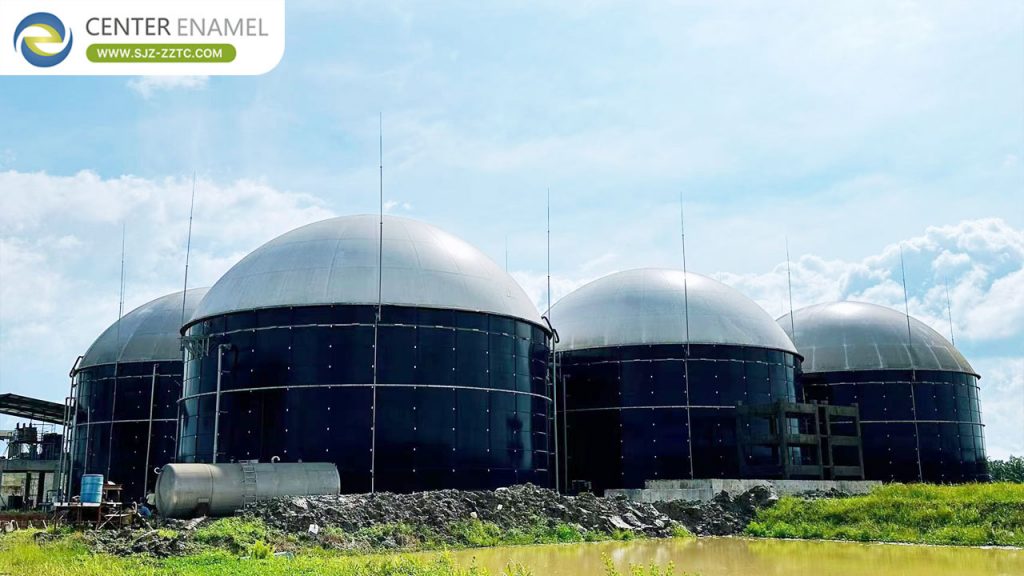
The Two Families
Anaerobic digestion is carried out by Archaea and bacteria in the absence of oxygen; it converts organics to methane and carbon dioxide (biogas) and leaves a stabilized digestate. Aerobic digestion uses oxygen-loving microbes that oxidize organics to CO2, new biomass, and nitrate (when coupled with nitrification), with no energy recovery but strong nutrient removal. The choice between them is rarely either/or at a plant scale - it is a sequencing decision.
| Property | Anaerobic | Aerobic |
| Oxygen | None | Required (blowers) |
| Main product | Biogas (CH4 + CO2) | CO2 + biomass + NO3 |
| Energy | Net producer | Net consumer |
| Best for | High-strength organic | Polish / low-strength |
Process Sequencing - Why Order Matters
Ordering matters because the processes have opposite cost and recovery profiles. Putting anaerobic first on a high-strength stream does the cheap, energy-positive bulk removal; sending the anaerobic effluent to aerobic polish then handles the ammonia and residual COD that anaerobic biology leaves behind. Running aerobic first on a high-strength stream wastes enormous energy oxidizing organics you could have converted to gas, and risks biomass overload.
| Sequence | Use when | Why |
| Anaerobic then aerobic | High-strength (COD > 2,000 mg/L) | Energy + polish |
| Aerobic only | Low-strength / polish | No gas worth recovering |
| Two-stage anaerobic | Very high strength | Acid + methanogenic split |
Two-Stage Anaerobic Sequencing
Within anaerobic digestion itself, high-strength or difficult feeds are sometimes split into two stages: a first, shorter acidogenic stage that hydrolyzes and acidifies, and a second methanogenic stage optimized for the slow methane step. Splitting them lets each stage run at its own best conditions and improves stability for fibrous or shock-loaded wastes. This is a sequencing decision inside one family, separate from the aerobic polish that follows.
Process Versus Reactor
A common confusion is mixing the process with the hardware. The process is the biochemistry - anaerobic or aerobic, single or staged. The reactor is the vessel that hosts it: a CSTR, USR, UASB, IC or EGSB for anaerobic; an activated-sludge, MBR or AOAO basin for aerobic. The same anaerobic process can run in several reactors, so selecting the sequence comes before selecting the steel - a point the reactor-focused companion articles build on.
About Company
Shijiazhuang Zhengzhong Technology Co., Ltd (Center Enamel) is a comprehensive high-tech enterprise specializing in wastewater engineering, process section contracting, and equipment manufacturing. The company delivers biogas and wastewater projects through three main lines - EPC (turnkey) contracting, equipment supply, and process packages - covering livestock and municipal wastewater, biomass energy, industrial wastewater, and food waste. Its reactor portfolio spans CSTR, USR, UBF, UASB, IC, and EGSB, backed by in-house Glass-Fused-to-Steel tank manufacturing (enamel firing at 820-930 C) and certifications including ISO 9001, NSF/ANSI 61, and CE-EN 1090. With 35+ years of operation, a 150,000 m2 manufacturing base, and projects in 100+ countries, Center Enamel provides the single-responsibility engineering behind biogas and wastewater engineering that sequences processes - anaerobic first for energy and bulk removal, aerobic polish after - across livestock, municipal and industrial streams, then selects the reactors to host each stage.
Conclusion
Biological digestion processes divide into anaerobic (energy-recovering) and aerobic (oxidizing) families; the engineering value is in sequencing them - anaerobic bulk removal first, aerobic polish second - rather than choosing one in isolation.
Frequently Asked Questions
Q1: What are biological digestion processes? A1: The microbial breakdown routes - anaerobic (no O2, yields biogas) and aerobic (O2, oxidizes to CO2 + biomass + nitrate).
Q2: How do anaerobic and aerobic digestion differ? A2: Anaerobic needs no O2 and recovers CH4 energy; aerobic needs blowers and oxidizes organics without energy recovery.
Q3: What is process sequencing in treatment? A3: Arranging stages in order - typically anaerobic first for bulk removal, aerobic polish after for N/P.
Q4: When do you chain two anaerobic stages? A4: For very high-strength or shock-loaded feeds, splitting acidogenesis and methanogenesis improves stability.
Q5: What is the difference between a process and a reactor? A5: Process = biochemistry; reactor = the vessel (CSTR, UASB, IC, MBR, AOAO) hosting it.
Q6: Which digestion process fits high-strength wastewater? A6: Anaerobic first (energy + bulk COD), then aerobic polish for residual COD/N/P.
Q7: Can aerobic digestion replace anaerobic? A7: Only for low-strength or final polish; for high-strength it wastes recoverable energy and overloads biomass.
Q8: How do you decide the process sequence? A8: By influent strength, solids, and target - high COD leads with anaerobic, then polish to the limit.
Suggested CTA
Map your influent strength and target, then read the reactor-selection and process-train articles to put the sequence into hardware.