
Do Anaerobic Digesters Smell? Understanding Odor Control in Biogas Systems
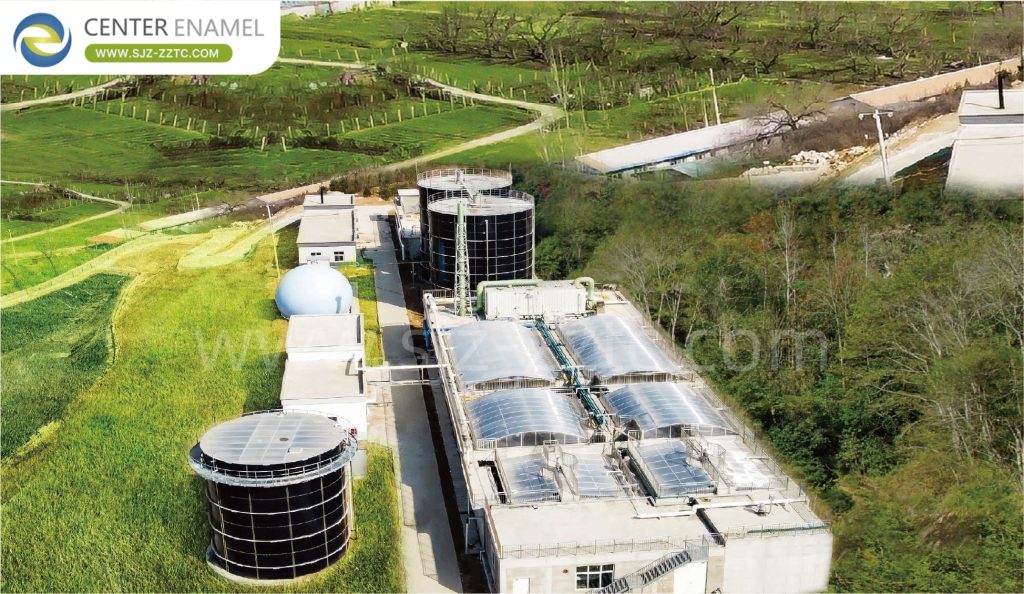
One of the most common concerns about anaerobic digestion facilities is odor. The short answer is: yes, anaerobic digesters have the potential to produce strong odors, but with proper design, operation, and containment systems, these odors can be effectively controlled-reducing them by 50% to 95% compared to untreated waste storage. This article explores why odors occur, what compounds are responsible, and how modern solutions like Glass-Fused-to-Steel (GFS) tanks help biogas facilities operate with minimal nuisance.
The Biology Behind Biogas Odors
Anaerobic digestion is a natural biological process where microorganisms break down organic matter without oxygen. This process creates intermediate compounds that can be highly odorous. According to Iowa State University Extension, these include volatile organic acids, aldehydes, ketones, amines, indoles, and phenols-many of which are associated with the unpleasant smell of decomposing waste.
However, the key to odor reduction lies in completing the digestion process. As microbes continue breaking down these intermediate compounds into methane and carbon dioxide-both odorless gases-the odor potential decreases significantly. Well-managed digesters that allow complete digestion can achieve odor reductions of 50% to 85%. In some cases, anaerobic digestion has been shown to reduce odors, flies, and pathogens by as much as 95% compared to conventional waste storage.
What Causes the Smell? Key Odorous Compounds
The unpleasant smells from anaerobic digesters come primarily from three categories of compounds:
1. Volatile Sulfur Compounds (VSCs): These include hydrogen sulfide (H₂S), which has a characteristic "rotten egg" smell, as well as methanethiol, dimethyl sulfide, and dimethyl disulfide. VSCs are recognized as key odor-causing compounds produced during anaerobic digestion. Research on swine manure and food waste digestion found that hydrogen sulfide was the dominant odor compound during storage phases, with concentrations reaching 96.3 ppm in swine manure storage areas.
2. Nitrogenous Compounds: Ammonia (NH₃) is another major contributor. Studies show that ammonia concentrations are typically highest in digested liquid tanks (up to 337 ppm) and separated liquid tanks (131 ppm). These compounds form as microbes break down proteins and urea in the feedstock.
3. Other Organic Compounds: Research also identifies indole, skatole, and cresol as major odor-causing compounds from digested material. These substances have extremely low odor thresholds, meaning even tiny concentrations can be detected by the human nose.
Operational Factors That Affect Odor Generation
Several operational parameters influence how much odor a digester produces. Understanding these factors is essential for effective odor management:
Solids Retention Time (SRT): Longer SRTs generally result in lower odor generation. Research has shown that odors decrease as the anaerobic digester retention time increases, allowing more complete breakdown of odor precursors.
Temperature: Higher digestion temperatures (thermophilic conditions around 55°C) and longer SRTs help reduce the availability of proteins-the primary precursor of odorous compounds-leading to lower odor emissions.
Feedstock Composition: The type of waste being processed significantly affects odor profiles. Food waste storage has been found to generate complex odors measured at 39,086 Odor Units (OU), while digested liquid tanks produce approximately 17,733 OU. Sulfur-rich feedstocks produce more hydrogen sulfide, while protein-rich materials generate more ammonia.
Overloading: Overloading a digester reduces treatment effectiveness and can result in significant odor problems, as incomplete digestion leaves odorous intermediate compounds unprocessed.
Why Enclosed Digesters Minimize Odor Release
Unlike open anaerobic lagoons that release odors directly to the atmosphere, enclosed anaerobic digesters are designed to contain the process and capture biogas. Since the digester tank is sealed, almost no loss of odorous compounds occurs during digestion.
However, odors can still escape during several stages:
Digestate dewatering and handling
Storage of digested material
Land application of biosolids
Equipment leaks or pressure relief valve releases
This is why comprehensive odor management plans typically address not just the digester itself, but the entire waste handling chain. A well-designed facility includes measures such as routine leak detection and repair (LDAR) surveys, continuous monitoring systems, and abatement equipment like biofilters.
Modern Odor Control Technologies
Recent research and technological developments have significantly improved odor control capabilities for biogas facilities. Danish researchers have developed advanced sensor technology that can continuously monitor emissions and detect sudden fluctuations in hydrogen sulfide levels-sometimes exceeding 100 times the average. These fluctuations depend on how biomass is handled and added to the plant.
Biofilters using natural microorganisms to break down hydrogen sulfide are commonly used, but they must be designed to handle dynamic emission patterns. Aarhus University researchers have successfully developed a system that reduces fluctuations so biological filters can keep up, achieving minimal hydrogen sulfide emissions.
Additional control strategies include:
Oxygen injection into digesters to inhibit sulfate-reducing bacteria
Chemical additives like ferric hydroxide to control H₂S levels
Carbon capture equipment on biogas upgrading units
Combustion of excess biogas in flares or CHP engines to destroy odorous compounds
Odor dispersion through elevated stack emissions
These technologies can achieve removal efficiencies of up to 97% for hydrogen sulfide and 94% for ammonia.
The Role of Quality Infrastructure: GFS Tanks for Odor Control
The integrity of the digester tank itself plays a crucial role in odor control. Leaks in the containment system release biogas-and its associated odors-directly to the atmosphere. This is where Glass-Fused-to-Steel (GFS) tanks offer significant advantages.
Superior Gas-Tightness: Center Enamel's GFS tanks feature advanced sealing systems and a modular bolted design that ensures superior gas-tight seals. This maximizes methane recovery for energy generation while preventing hazardous and odorous gas leaks.
Corrosion Resistance: Anaerobic environments produce corrosive hydrogen sulfide and organic acids that can degrade conventional tanks over time, potentially creating leaks. GFS technology fuses glass enamel to high-strength steel at temperatures exceeding 850°C, creating an impermeable barrier that resists chemical attack from pH 1–14. This ensures long-term structural integrity and sustained gas containment.
Durable Construction: With a service life spanning decades and minimal maintenance requirements, GFS tanks provide reliable odor containment over the long term. They comply with international standards including AWWA D103, ISO 28765, and NSF/ANSI 61, ensuring quality and safety.
Center Enamel: Your Complete Biogas Project Partner
Center Enamel is a comprehensive biogas project solution provider with over 30 years of experience in advanced storage and digestion technologies. We deliver fully integrated solutions covering engineering design, manufacturing, installation, and after-sales support.
Our Glass-Fused-to-Steel digester tanks are specifically engineered for anaerobic digestion applications, featuring:
Exceptional corrosion resistance for harsh biogas environments
Modular bolted design for rapid on-site installation
Customizable sizes and roof configurations (aluminum geodesic dome, double-membrane, or single-membrane)
Proven gas-tightness for odor control and biogas capture
With installations in over 100 countries and partnerships with global leaders including Veolia, Coca-Cola, Heineken, and Wilmar, Center Enamel is the trusted choice for biogas projects worldwide. Our systems support sustainable waste management, renewable energy production, and effective odor control-helping you turn organic waste into value while maintaining good neighbor relations.
Partner with Center Enamel for your biogas storage and digestion needs and benefit from our proven track record in delivering high-quality, odor-controlled solutions for renewable energy projects globally.
Frequently Asked Questions
1. Do all anaerobic digesters produce bad odors?
Well-designed and properly operated anaerobic digesters can reduce odors by 50% to 95% compared to untreated waste storage. Enclosed digesters contain the process, preventing odor release during digestion. Odors are most likely to occur during incomplete digestion, digestate handling, or equipment leaks. With proper management-including adequate retention time, temperature control, and gas-tight infrastructure-significant odor reduction is achievable.
2. What is the smelliest compound produced by anaerobic digesters?
Hydrogen sulfide (H₂S) is typically the dominant odorous compound, characterized by a "rotten egg" smell. Research on swine manure digestion found H₂S concentrations of 96.3 ppm during storage, while food waste storage showed methyl mercaptan at 17.7 ppm and dimethyl sulfide at 34.5 ppm. Ammonia is also a major contributor, with concentrations reaching 337 ppm in digested liquid tanks.
3. How do Glass-Fused-to-Steel tanks help with odor control?
GFS tanks provide superior gas-tightness that prevents biogas and odorous compounds from escaping into the atmosphere. The glass-fused coating resists corrosion from hydrogen sulfide and organic acids, ensuring long-term tank integrity without leaks. Their modular design allows for advanced sealing systems, and the durable construction means reliable performance over decades with minimal maintenance.