
Do Anaerobic Digesters Smell? Understanding Odor Control in Biogas Projects
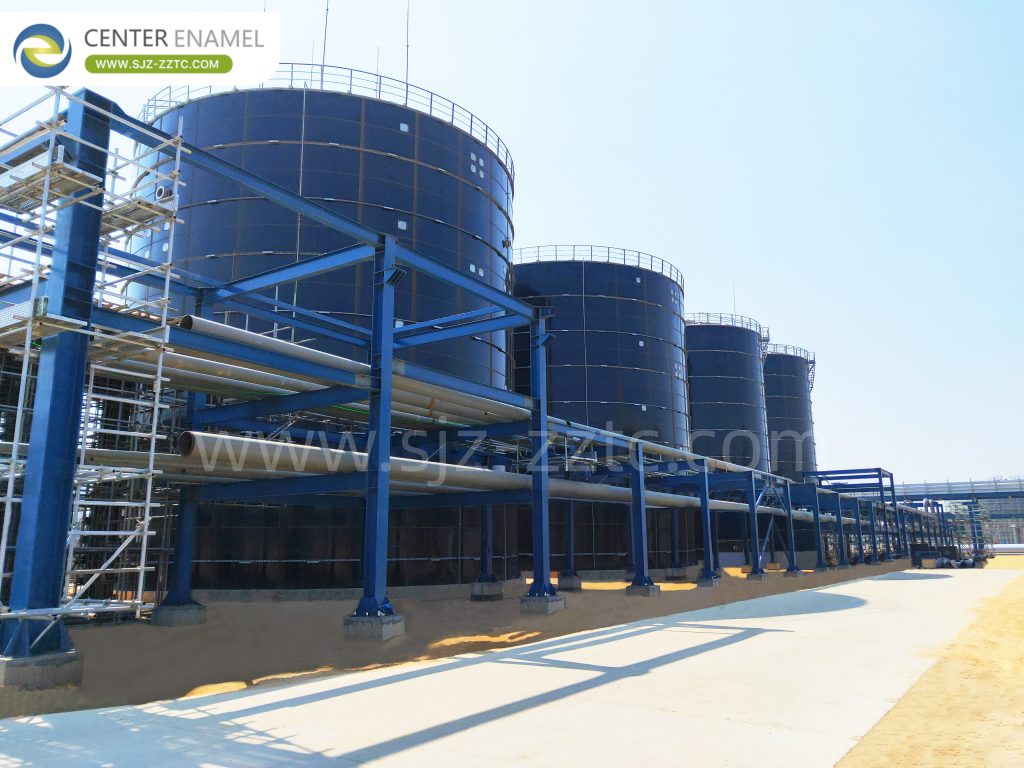
One of the most common questions asked about biogas projects is: do anaerobic digesters smell? It's a valid concern, especially for communities considering a new facility. The short answer is that while the anaerobic digestion process itself can produce odorous compounds, properly designed and well-managed biogas plants equipped with modern odor control technology operate with minimal to no odor nuisance. This article explores the science behind biogas odors, the key sources of smell, and how advanced containment solutions ensure that biogas projects are good neighbors in their communities.
Why Do Some People Think Anaerobic Digesters Smell?
The reputation for odors comes from historical associations with open manure lagoons and poorly managed waste treatment facilities. In the early days of the technology, digesters were often built on livestock farms where odor issues were already a problem, and less attention was given to complete containment and air treatment. Traditional uncovered anaerobic lagoons, which are still used in some settings, allow odorous compounds to escape into the air .
However, modern anaerobic digesters are completely different. They are sealed, airtight vessels designed to capture all gases and control the biological process. Odor is actually a sign of incomplete digestion; the goal of a well-run digester is to maximize the breakdown of organic matter, converting potential odor-causing compounds into odorless biogas .
What Are the Main Odor-Causing Compounds?
Research has identified the primary compounds responsible for odor at biogas facilities. Understanding these is the first step to controlling them.
Hydrogen Sulfide: The Dominant Odorant
Hydrogen sulfide (H₂S) is consistently identified as the main source of odor at biogas plants. Studies show that H₂S can constitute 71% to 82% of the odor activity at a typical facility . It is produced during the breakdown of organic matter that contains sulfur, such as proteins and manure. H₂S has a distinct "rotten egg" smell and is detectable by the human nose at extremely low concentrations.
Ammonia and Volatile Organic Compounds (VOCs)
Other odorous compounds include ammonia (NH₃) and a range of volatile organic compounds (VOCs) . Research has found that ammonia concentrations are often highest in the digested liquid tank, while sulfur compounds like methyl mercaptan and dimethyl sulfide are detected during the storage of specific feedstocks, such as food waste . Volatile fatty acids (VFAs), like propionic acid, are intermediate products of digestion and can also contribute to unpleasant smells .
Where Do Biogas Plant Odors Typically Originate?
Odors are not primarily emitted from the sealed digester itself. Instead, they are released at specific points during the handling of raw materials and processing of digestate.
Feedstock Receiving and Storage
The greatest source of odor emissions often comes from unloading and storing incoming organic materials. For example, research has shown that the addition of animal slurry to pre-tanks is the primary cause of periodic hydrogen sulfide emission peaks, with concentrations ranging from 50 to 1,200 ppm . In other processes, such as food waste storage, ammonia is often the major odorant .
Digested Liquid Storage
The post-digestion storage tanks can also be a significant source of odor. When digestate is removed from the airtight digester, compounds like ammonia and hydrogen sulfide, which are formed during the process, can off-gas .
How Do Sealed Systems and GFS Tanks Prevent Odors?
The first and most critical line of defense against odor is the use of fully sealed, gas-tight tanks. The anaerobic digestion process requires an oxygen-free environment, which naturally necessitates a sealed system .
Center Enamel's GFS Tanks (Glass-Fused-to-Steel) are the premium containment solution for biogas projects. These tanks, with their specialized sealants and robust modular design, provide a superior gas-tight seal that is essential for several reasons :
Capturing Biogas: They ensure the methane-rich biogas is contained and collected for energy use, preventing its release into the atmosphere.
Preventing Leaks: The complete seal prevents hazardous and odorous gases from escaping at the source.
Providing a Foundation for Treatment: By containing the air inside the system, it can be channeled to odor abatement technologies, ensuring it is treated before being released.
What Odor Control Technologies Are Used?
Even with sealed tanks, the ventilation air from receiving areas and processing buildings must be treated. Several effective technologies are employed.
Biofiltration
Biofilters are a natural and common solution. They work by passing the collected air through a bed of organic material, like wood chips or compost, which is home to microorganisms. These microbes break down the odorous compounds, such as hydrogen sulfide and ammonia, neutralizing the smell . For a biofilter to be effective, it must be designed to handle the dynamic nature of emissions. Research has shown that emissions fluctuate dramatically, sometimes spiking over 100 times the usual average, which can overwhelm a standard filter. Advanced biofilter designs are necessary to manage these peak events .
Chemical Scrubbers
Chemical scrubbers are another option. In this system, the odorous air is passed through a tower where it is washed with a chemical solution that neutralizes specific compounds. For example, hybrid deodorizers have been shown to remove up to 97% of hydrogen sulfide and 94% of ammonia from waste air .
Best Practices in Facility Design
As highlighted by one industry leader, an "Urban-Friendly Digestion" approach integrates odor control into the very design of the plant . This includes:
Indoor Tipping: Enclosing the area where trucks offload waste.
Negative Air Pressure: Using fans to pull air into the building, ensuring no odors escape, and then directing the air through a biofilter .
Liquid Pump Stations: Pumping liquid waste directly into the digester via sealed pipes, completely avoiding exposure to the air.
Center Enamel: Professional One-Stop Biogas Solutions
Center Enamel is a global leader in providing durable, gas-tight storage solutions for the biogas industry. With over 30 years of experience and successful projects in more than 100 countries, they are a trusted partner for comprehensive biogas infrastructure .
Their GFS Tanks are engineered for superior corrosion resistance and airtightness, critical for containing biogas and preventing odor. These tanks are available in a wide range of sizes and are designed for rapid installation . Center Enamel has collaborated with industry giants like Veolia and Heineken, demonstrating their ability to deliver reliable, high-quality solutions for projects that demand the highest standards of odor control and environmental compliance .
Conclusion
Do anaerobic digesters smell? With modern design, the answer is: not if they are done right. The very nature of the process—sealed, oxygen-free tanks—is designed to prevent odor, not create it. By using gas-tight GFS Tanks to capture all gases and implementing advanced odor control technologies like biofilters and chemical scrubbers, professional biogas projects operate as responsible and unobtrusive neighbors. As research continues to improve our understanding of odor dynamics, the technology to eliminate this concern is only becoming more effective, ensuring biogas can continue to grow as a clean, sustainable energy source .
Frequently Asked Questions
Q: Is hydrogen sulfide the main cause of odor at biogas plants?
Yes, hydrogen sulfide (H₂S) is consistently identified as the dominant odorant at biogas facilities. Studies have found that it can constitute 71% to 82% of the odor activity, producing the characteristic "rotten egg" smell associated with decomposing organic waste .
Q: Where do most odors from a biogas plant originate?
Most odors do not come from the sealed anaerobic digester itself. Instead, they are primarily released during the receiving and storage of feedstocks, such as when liquid manure is unloaded, and during the storage of the digestate after it leaves the digester .
Q: How can anaerobic digesters be made odor-free?
Odor is controlled through a combination of methods. This includes using gas-tight GFS Tanks to contain emissions , employing technologies like biofilters that naturally break down odorous compounds , and designing facilities with best practices such as indoor receiving areas and negative air pressure systems to prevent any odors from escaping .