
Dung-Based Biogas Projects: From Cow Dung to Cooking Fuel and Electricity
A dung-based biogas project converts animal dung — primarily cow and buffalo manure — into clean cooking gas, electricity, and organic fertilizer. In India alone, over 5 million family digesters operate, and the model scales from a 2–6 m³ household unit to community and commercial plants processing hundreds of tonnes daily.
The value is transformative at household level: one 2 m³ digester fed with 40–50 kg of dung daily produces enough gas for 4–6 hours of cooking, replacing LPG or firewood, reducing indoor air pollution, and eliminating the daily fuel purchase — savings of $30–60 per year per family plus free fertilizer worth $20–40 more.
This guide covers the dung biogas project range: digester designs (fixed-dome vs floating-drum), sizing rules, yield and cost data by scale, and the upgrade path from household to community and commercial systems.
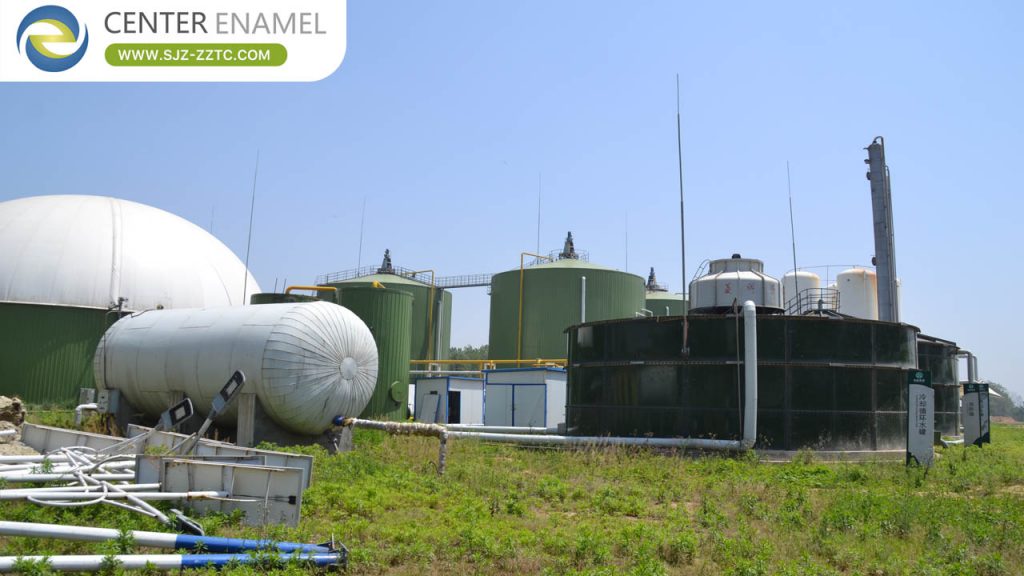
Digester Designs: Fixed-Dome vs Floating-Drum and Modern Variants
The fixed-dome digester — a sealed masonry or brick dome — stores gas in its upper part, with pressure rising as gas accumulates. It is cheap, durable (20+ years), and underground-insulated, but requires skilled construction and careful water sealing. The floating-drum design uses a movable steel or HDPE drum that rises and falls with gas production, giving constant pressure and visible gas level at higher cost.
Modern variants include prefabricated HDPE or fiberglass digesters (flexible, fast-installed, 5–15 year life), balloon plants, and community-scale systems with gas pipelines to multiple households. Material choice balances first cost, lifespan, and local construction skill — masonry dominates rural Asia; prefab units suit speed and relocation.
Operating conditions decide performance: 20–5°C ambient temperatures slow digestion, so insulated or greenhouse-shaded digesters in cold regions maintain winter output; daily feeding consistency (morning + evening) and correct dilution (1 part dung to 1 part water) sustain gas quality above 55% methane.
Comparative Data Table: Dung Biogas Project Scales
| Project Scale | Digester Size | Daily Dung Input | Gas Output | Primary Use | Indicative Cost |
| Household (family) | 2–6 m³ | 40–150 kg | 2–6 m³/day | Cooking, lighting | $300–1,200 (masonry) |
| Community (10–20 families) | 15–60 m³ | 300–1,500 kg | 15–60 m³/day | Cooking, mini-grid | $8,000–30,000 |
| Farm Commercial | 100–500 m³ | 2–10 t/day | 100–500 m³/day | CHP electricity, bio-CNG | $150,000–800,000 |
| Industrial (dairy cluster) | 1,000+ m³ | 20–100 t/day | 1,000+ m³/day | Grid power, biomethane | $1M+ per 500 m³/h |
The scale table shows a clear growth path: households convert dung to cooking fuel; community plants add mini-grids; commercial and industrial plants monetize electricity and biomethane. Government programs (India’s NBMMP and SATAT, Nepal and China subsidy schemes) underwrite the first two tiers, making household payback as short as 1–3 years with subsidy.
From Cooking Fuel to Commercial Energy: The Upgrade Path
Household digesters typically substitute LPG and firewood, saving $50–100 per year in total fuel and fertilizer value against $300–1,200 installed cost — a 2–5 year payback. Community plants aggregate dung from 20–50 households and pipe gas or sell slurry fertilizer, with micro-finance models reducing upfront barriers.
Commercial dung plants pair large digesters with CHP engines (100 kW–1 MW) or bio-CNG compression. A 500-head dairy cluster producing ~30 t/day of dung can fuel a 100–200 kW engine continuously, earning $80,000–150,000 annually from power and carbon credits. Bio-CNG upgrades capture transport fuel value where gas grids are absent.
The environmental case strengthens the economics: each tonne of dung digested avoids 0.4–0.6 tCO2e of methane emissions versus open storage, qualifying for carbon credits and national GHG programs. Development finance (World Bank, ADB, climate funds) increasingly co-funds dung-based projects for their triple win: energy access, fertilizer, and climate.
Frequently Asked Questions (FAQ)
Q1: How much gas does cow dung produce?
A: Fresh cow dung yields roughly 0.02–0.05 m³ of biogas per kg — about 25–55 m³ per tonne — at 55–65% methane. Two cows supply enough dung (40–50 kg/day) for a household digester producing 2–3 m³ of gas daily.
Q2: How big a digester does a family need?
A: A 2–6 m³ digester suits a typical family, fed with 40–150 kg of dung per day and producing 2–6 m³ of gas — enough for 4–6 hours of cooking. Size depends on family size, dung availability, and whether gas also serves lighting or heating.
Q3: Is a dung biogas plant cost-effective?
A: Yes. Household units cost $300–1,200 (masonry) and save $50–100 yearly in fuel and fertilizer, paying back in 2–5 years — often 1–3 years with government subsidy. Community and commercial plants add energy and carbon revenue, improving returns further.
Q4: What is the difference between fixed-dome and floating-drum digesters?
A: Fixed-dome digesters are cheaper masonry structures with variable gas pressure, durable for 20+ years but requiring skilled construction. Floating-drum designs maintain constant pressure with a movable drum and show gas level at a glance, at higher cost and maintenance on the moving part.