
Energy Storage Tanks for Biogas Projects: Buffering Biomethane for On-Demand Power
Biogas production is a continuous biological process—it flows 24 hours a day regardless of when energy is actually needed. Energy storage tanks for biogas projects bridge this temporal mismatch between steady-state gas production and intermittent or peak energy demand. Without adequate gas storage capacity, biogas facilities are forced to flare excess gas during low-demand periods, wasting revenue and increasing emissions.
Modern biogas plants deploy engineered gas storage systems—typically double-membrane holders, pressurized steel tanks, or compressed gas cylinders—to buffer 6 to 24 hours of biogas production. This buffer enables plant operators to run CHP engines during peak electricity pricing windows, inject biomethane into gas grids during high-demand periods, and maintain continuous digester operation even when downstream energy systems are offline for maintenance.
This guide examines energy storage tank design for biogas projects—covering gas holder types, sizing methodology, pressure and safety standards, and the economic case for oversized storage capacity in revenue optimization strategies.
Understanding Biogas Energy Storage Systems
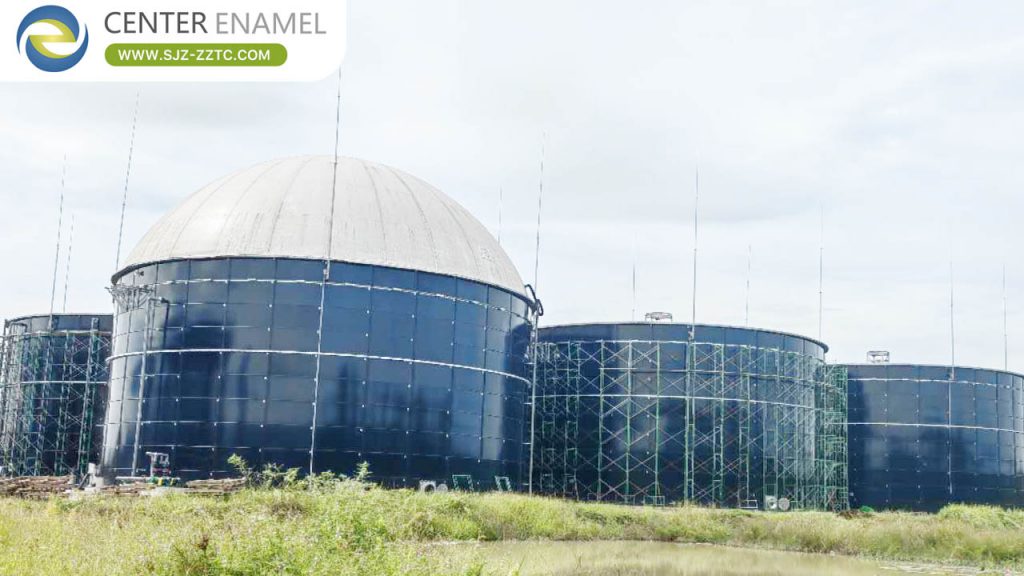
Energy storage in a biogas project refers to the engineered system that temporarily holds produced raw biogas or upgraded biomethane between the digester outlet and the point of energy conversion. The most common technology is the double-membrane gas holder—an outer weatherproof membrane with an inner gas-retaining membrane that inflates and deflates based on gas volume. These systems operate at low pressure (0.5-5 mbar), store volumes from 100 to 5,000+ cubic meters, and require minimal maintenance. For higher-pressure applications, steel pressure vessels (8-250 bar) compress biomethane for transport fuel or grid injection.
The sizing of gas storage capacity is driven by the mismatch between biogas production rate (constant) and energy demand profile (variable). A plant producing 500 m3 of biogas per hour with a CHP engine rated at 400 m3/h consumption would need a minimum buffer of 2,400 m3 to store 12 hours of surplus production. Oversizing storage beyond 24 hours provides additional revenue flexibility for time-of-use electricity pricing arbitrage.
Comparative Data Table: Biogas Storage Technologies
| Storage Type | Pressure Range | Volume Range | CAPEX ($/m3) | Best Application | Key Limitation |
| Double-Membrane Holder | 0.5-5 mbar | 100-5,000+ m3 | $50-120 | Raw biogas buffering at digester | Low pressure only; requires constant gas use |
| Single-Membrane Cover | 0.2-2 mbar | 50-2,000 m3 | $30-70 | Covered lagoon digesters | Higher gas leakage; weather-sensitive |
| Steel Pressure Vessel | 8-25 bar | 10-200 m3 | $300-800 | Compressed biogas (CBG) transport | High CAPEX; requires compression energy |
| High-Pressure Cylinders | 200-250 bar | 5-50 m3 | $800-2,000 | Bio-CNG fueling stations | Very high CAPEX; specialized certification |
| Underground Salt Cavern | 100-180 bar | 10,000+ m3 | $15-40 | Regional biomethane grid balancing | Geology-dependent; long lead time |
Gas Holder Sizing Methodology and Safety Design
Proper sizing of biogas energy storage follows a three-step analytical process:
1. Production Profile Mapping: Determine hourly biogas production rate across a typical 24-hour cycle. Account for seasonal variation (10-20% lower yield in winter for mesophilic digesters) and feedstock moisture changes.
2. Demand Profile Mapping: Map the downstream energy consumption profile. For CHP configurations, this is the engine's hourly gas consumption at rated and part-load conditions. For biomethane grid injection, it is the grid operator's nomination schedule.
3. Buffer Volume Calculation: Buffer Volume = Maximum cumulative surplus production (m3) x Safety Factor (1.2-1.5). The safety factor accounts for production variability and equipment downtime.
Safety design requirements include: overpressure/underpressure relief valves (minimum 2 independent systems), flame arrestors on all gas connections, methane leak detection sensors with automated shutoff, and lightning protection per IEC 62305. Storage systems must comply with local codes (NFPA 820 in the US, ATEX directives in the EU, and equivalent national standards).
Frequently Asked Questions (FAQ)
Q1: How much gas storage capacity does a biogas plant need?
A: A standard recommendation is 8-12 hours of average daily biogas production as minimum buffer storage. This allows the plant to continue digesting during brief CHP maintenance (2-4 hours) and accommodate daily demand variations. Plants pursuing time-of-use electricity pricing arbitrage should size for 18-24 hours to maximize revenue from peak pricing windows.
Q2: What is the difference between a double-membrane and single-membrane gas holder?
A: Double-membrane holders have an outer weatherproof membrane and an inner gas-retaining membrane, with a blower system maintaining a small air pressure between them. This design achieves gas tightness of 99.5%+ and operates reliably in high winds and snow loads. Single-membrane covers are simpler and cheaper but have higher gas leakage rates (95-98% tightness) and are vulnerable to weather damage. Double-membrane systems are standard for all commercial biogas projects.
Q3: Can biogas be stored at high pressure like CNG?
A: Yes, but raw biogas must first be upgraded to biomethane (96%+ methane) before high-pressure compression. Raw biogas contains hydrogen sulfide and moisture that corrode high-pressure equipment. Compressed biomethane (CBG) at 200-250 bar achieves energy density comparable to fossil CNG and is used as vehicle fuel or distributed via cascade tube trailers to off-grid consumers.