
Essential Oil Processing Wastewater Treatment Project: Delivering Sustainability via Biogas-to-Energy EPC Solutions
The essential oil processing industry—encompassing the distillation, extraction, and refinement of natural botanicals—creates a specific, high-load effluent. This wastewater is characterized by high Chemical Oxygen Demand (COD), the presence of volatile compounds (like terpenes and phenols), and fluctuating flow rates. While environmentally challenging, this organic-rich stream represents a significant untapped energy resource.
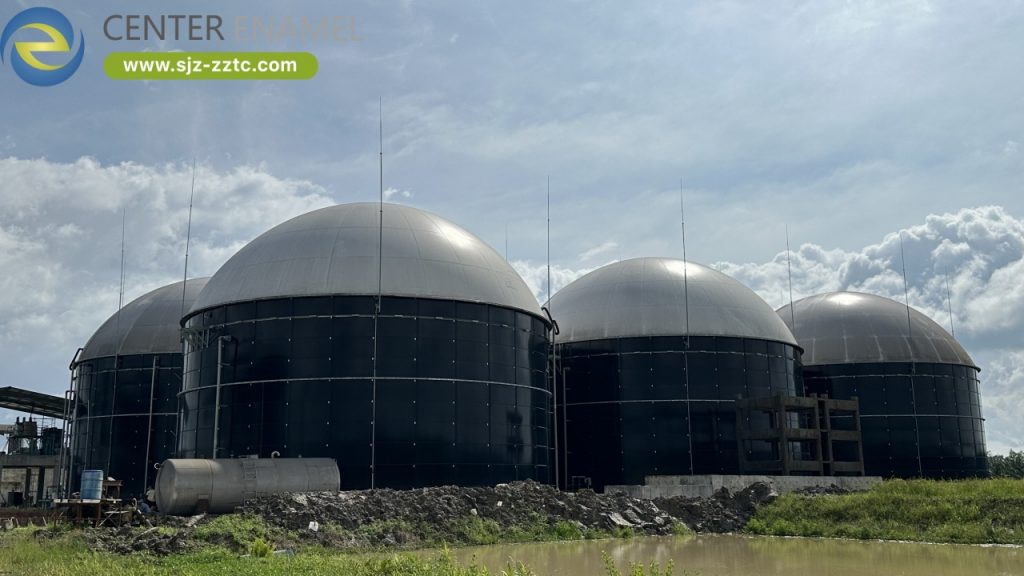
For manufacturers focused on sustainability and cost control, the conventional "waste disposal" model is obsolete. The optimal modern solution is the Essential Oil Processing Wastewater Treatment Project built around Biogas-to-Energy EPC Solutions. Shijiazhuang Zhengzhong Technology Co., Ltd (Center Enamel) specializes in providing guaranteed, turnkey Biogas-to-Energy EPC Solutions that not only achieve strict environmental compliance but also transform wastewater into a reliable source of renewable power and heat.
Our integrated approach leverages the unmatched durability and modularity of our Glass-Fused-to-Steel (GFS) tanks as the core anaerobic digestion vessels. By assuming single-source accountability, Center Enamel guarantees the successful conversion of organic waste into high-value energy, ensuring the success and profitability of every Essential Oil Processing Wastewater Treatment Project.
The EOPWW Challenge and the Biogas-to-Energy Imperative
Effective Essential Oil Processing Wastewater Treatment Project requires specialized engineering to manage inhibitory compounds and maximize the conversion of organic load into clean energy.
1. Unique Characteristics of Essential Oil Effluent
Wastewater from essential oil processing presents specialized operational hurdles:
High Organic Load (COD/BOD): Distillation and cleaning processes result in effluent saturated with residual plant matter and soluble organics, making it an excellent candidate for high-rate anaerobic digestion.
Inhibitory Compounds: The presence of terpenes, phenols, and other complex aromatic compounds can inhibit microbial activity in anaerobic reactors. Successful treatment requires robust pre-treatment and specialized biological design to acclimate the biomass.
Temperature and Flow Variability: Effluent is often discharged at elevated temperatures and in batch cycles, demanding effective equalization and temperature control within the digestion vessels to maintain optimal biogas yield.
Acidity Level Fluctuations: Variations in process chemicals and rapid breakdown of simple organics can lead to shifts in the acidity level, requiring vigilant monitoring and automated buffering systems.
2. Why Biogas-to-Energy EPC Solutions are the Answer
A full-scope Biogas-to-Energy EPC Solution is the only way to mitigate the risks associated with this complex treatment, while guaranteeing the profitable energy recovery:
Single-Source Accountability for Energy Output: Center Enamel’s EPC Solutions cover the entire chain: wastewater pre-treatment, anaerobic reactor design (using GFS tanks), biogas conditioning, and the final power generation unit. We guarantee not only clean water but also the quantity and quality of the methane output.
Maximized Resource Recovery: Our engineering focuses on high-rate anaerobic digestion (like UASB or CSTR) to maximize the conversion of COD into methane, transforming a compliance cost into a revenue stream.
Risk Transfer: The turnkey nature of the EPC Solutions means Center Enamel bears the risk of integration failure, ensuring the client receives a fully operational, energy-generating system on a fixed timeline and budget.
Sustainability and Circular Economy: For essential oil producers focused on natural and sustainable sourcing, generating internal power from waste provides a complete circular economy model, enhancing brand value.
GFS & Aluminum Dome Roofs: Engineering for Digestion and Security
The core of any successful Biogas-to-Energy EPC Solution is robust, gas-tight containment. Center Enamel’s Glass-Fused-to-Steel (GFS) tanks provide the essential reactor vessel, and the Aluminum Dome Roofs ensure the safe, efficient capture of the high-value biogas.
1. GFS: The Ideal Anaerobic Reactor Vessel
GFS tanks are superior vessels for high-rate anaerobic digestion required in the Essential Oil Processing Wastewater Treatment Project:
Corrosion Resistance in a Biogas Environment: The GFS structure is inert, resisting the corrosive attack from hydrogen sulfide and organic acids generated within the anaerobic digestion process, ensuring structural longevity far beyond traditional materials.
Rapid, Gas-Tight Assembly: The modular, bolt-together design allows for rapid installation and immediate integration with internal heating, mixing, and gas collection systems, accelerating the project timeline—a key benefit of the EPC Solutions.
Structural Integrity for Complex Inserts: GFS tanks provide the structural strength necessary to support the complex internal mechanisms of high-rate reactors (like sludge blankets or mixers) and the weight of the sealed gas collection covers.
2. Aluminum Dome Roofs: Essential for Biogas Capture and Safety
The Aluminum Dome Roofs are indispensable when utilizing Biogas-to-Energy EPC Solutions:
Superior Gas and Weather Sealing: The roof creates a permanent, gas-tight seal, ensuring maximum capture efficiency of the biogas for energy conversion while protecting the process from external elements.
Corrosion Immunity: Aluminum is highly resistant to the corrosive effects of biogas (especially hydrogen sulfide, even after scrubbing), ensuring the cover remains structurally sound and maintenance-free for the lifetime of the Essential Oil Processing Wastewater Treatment Project.
Safety and Emission Control: The sealed cover safely contains all biogas and volatile compounds, minimizing emissions, maximizing worker safety, and controlling odors—critical for any industrial site.
Lightweight, Self-Supporting Design: The geodesic design maximizes the tank’s working volume by eliminating internal columns, simplifying the integration of internal digester equipment.
The Center Enamel Biogas-to-Energy EPC Package: From Waste to Revenue
Center Enamel’s full-scope Biogas-to-Energy EPC Solutions manage every phase of the project, guaranteeing a high-performing system that delivers clean effluent and clean energy.
1. Engineering & Design (E)
This specialized phase focuses on maximizing methane yield and managing inhibition:
Detailed Effluent Characterization: We perform intensive analysis on the EOPWW to determine the optimal anaerobic reactor type and size (using GFS tanks) and model the anticipated biogas production rate.
Biogas Conditioning Design: The engineering phase includes the necessary biogas treatment equipment (desulfurization, dehumidification) to ensure the gas meets the quality specifications required by the final engine or gas-grid injection system.
Integrated Energy Recovery System: We design the integration of the biogas handling system with the combined heat and power (CHP) unit or boiler, maximizing the thermal and electrical efficiency of the recovered energy.
2. Procurement & Manufacturing (P)
Control over the supply chain ensures quality and speed:
In-House GFS Production and QC: The core GFS containment systems and Aluminum Dome Roofs are manufactured under strict quality control, ensuring precise fit and performance.
Specialized Equipment Sourcing: We procure all complex auxiliary equipment—high-rate mixers, pumps, biogas flares, CHP units, and post-treatment aerobic systems—from certified global suppliers, guaranteeing seamless integration into the EPC Solutions.
3. Construction & Commissioning (C)
The construction phase focuses on safety, speed, and energy performance verification:
Rapid Modular Installation: Our specialized crews rapidly assemble the GFS digester tanks and the gas-tight Aluminum Dome Roofs, minimizing construction duration and accelerating the project toward energy generation.
Process Start-Up and Biogas Stabilization: The EPC Solutions include the critical phase of inoculating and stabilizing the anaerobic biomass, ensuring efficient degradation of the complex essential oil compounds and verifiable biogas production.
Guaranteed Energy Performance: The project is completed only after the system is proven to meet contractual guarantees for final effluent quality and the volume and quality of the biogas produced.
Project Cases
Center Enamel is the global leader in providing Biogas-to-Energy EPC Solutions built on durable GFS containment. Our experience in managing high-organic industrial streams and large-scale energy projects directly validates our capability to deliver a profitable Essential Oil Processing Wastewater Treatment Project.
The following non-fictitious cases, directly sourced from our accurate project portfolio, highlight our mastery in delivering large-scale, energy-focused solutions:
Jiangsu Xuzhou Biogas Project: This project represents one of our largest biogas installations, demonstrating massive scale and efficiency in energy recovery. The sheer volume contained in the GFS tanks proves our capacity to engineer and construct complex, high-throughput anaerobic digestion systems, which is central to successful Biogas-to-Energy EPC Solutions. The installation utilized 4 units with a substantial total capacity of 30,532 cubic meters.
Inner Mongolia Hinggan League Bio-Natural Gas Project: This large-scale project involved the production and conditioning of bio-natural gas, confirming our expertise in the full Biogas-to-Energy EPC Solutions chain—from digestion vessel supply to gas quality assurance. The successful deployment validates our ability to manage high-volume organic feedstocks and ensure reliable energy output. The installation utilized 4 units with a total capacity of 16,760 cubic meters.
Eswatini Alcohol Wastewater Treatment Project: This project showcases our excellence in handling highly organic, high-load industrial wastewater (alcohol production). Such streams are excellent candidates for anaerobic digestion and biogas recovery. The immense scale of this project confirms our structural and process capacity to manage large industrial flows and transform them into valuable energy resources, directly aligning with the goals of an Essential Oil Processing Wastewater Treatment Project. The installation utilized 2 units with a substantial total capacity of 42,188 cubic meters.
Transforming Waste into Self-Sufficiency
The Essential Oil Processing Wastewater Treatment Project no longer needs to be a mere compliance cost. By adopting Center Enamel’s Biogas-to-Energy EPC Solutions, essential oil manufacturers gain a powerful tool for sustainability, cost control, and energy self-sufficiency.
Our turnkey approach eliminates risk, leveraging the chemical resilience of Glass-Fused-to-Steel (GFS) tanks and the essential gas capture security of Aluminum Dome Roofs. We guarantee the conversion of complex organic waste into clean effluent and profitable renewable energy.