
Expanded Granular Sludge Bed (EGSB) Reactor: Working Principle, Benefits, and Applications
An Expanded Granular Sludge Bed (EGSB) reactor is an advanced anaerobic wastewater treatment technology designed to efficiently remove organic pollutants from industrial wastewater. This article explores its working principle, main components, advantages, applications, operating parameters, and differences from UASB reactors.
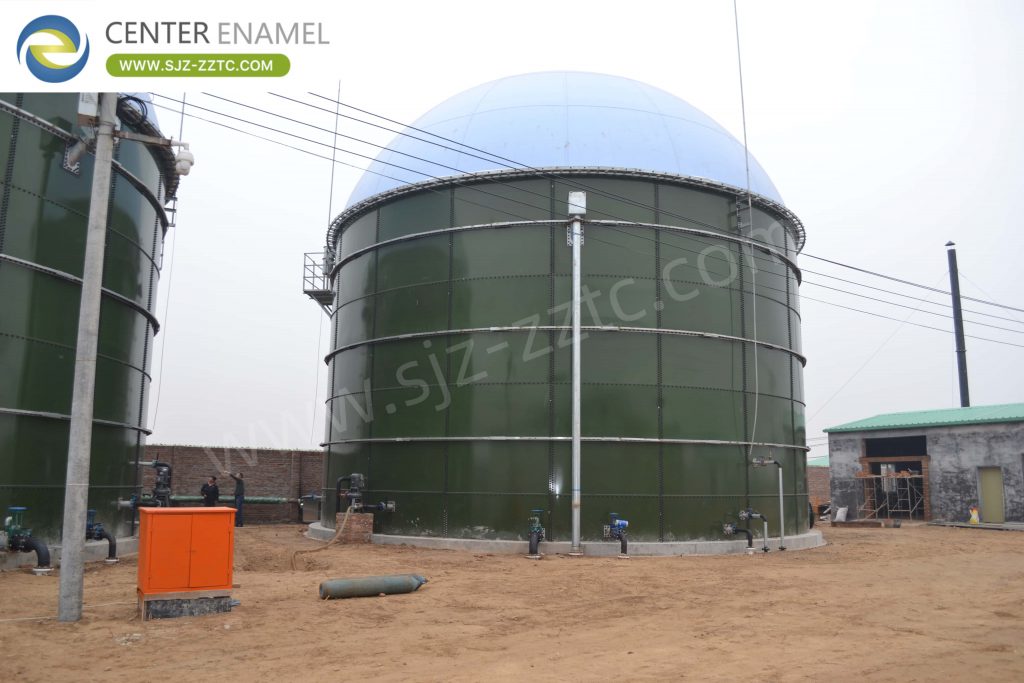
What Is an Expanded Granular Sludge Bed Reactor?
An Expanded Granular Sludge Bed (EGSB) reactor is a high-rate anaerobic biological treatment system used to remove organic pollutants from wastewater. It is an advanced modification of the Upflow Anaerobic Sludge Blanket (UASB) reactor.
The technology uses naturally formed anaerobic sludge granules containing microorganisms that break down organic matter in wastewater without oxygen. During this process, organic pollutants are converted into biogas, mainly methane and carbon dioxide.
Unlike conventional UASB reactors, an EGSB reactor operates with a higher upward liquid velocity. This expands the granular sludge bed, improves contact between microorganisms and wastewater, and enhances the overall treatment process.
EGSB technology is particularly suitable for industrial wastewater containing dissolved organic pollutants and is widely considered an efficient option for high-rate anaerobic treatment.
How Does an EGSB Reactor Work?
The working principle of an EGSB reactor is based on anaerobic digestion and the interaction between wastewater and granular microorganisms.
The treatment process generally involves four steps:
Wastewater feeding: Influent wastewater enters the reactor from the bottom through a distribution system.
Sludge bed expansion: Wastewater flows upward at a relatively high velocity, keeping anaerobic sludge granules suspended and partially expanded.
Organic matter degradation: Microorganisms inside the granules break down biodegradable organic compounds and produce biogas.
Three-phase separation: At the top of the reactor, a gas-liquid-solid separator separates biogas, treated water, and sludge. The retained sludge returns to the reaction zone, while treated wastewater leaves the reactor.
Part of the treated effluent may also be recycled to the reactor inlet to maintain the required upward flow velocity.
This continuous circulation improves hydraulic mixing and increases contact between wastewater and active biomass.
Main Components of an EGSB Reactor
An EGSB system consists of several essential components that work together to achieve effective anaerobic treatment.
Reactor tank: A relatively tall vessel that provides sufficient space for the expanded sludge bed.
Influent distribution system: Distributes incoming wastewater evenly across the reactor bottom.
Anaerobic granular sludge: Contains active microorganisms responsible for organic matter degradation.
Effluent recirculation system: Returns part of the treated wastewater to maintain hydraulic conditions and improve mixing.
Three-phase separator: Separates gas, liquid, and solid particles to prevent excessive sludge loss.
Biogas collection system: Collects the methane-rich gas generated during anaerobic digestion.
Each component contributes to stable reactor operation, biomass retention, and treatment efficiency.
What Is the Difference Between EGSB and UASB Reactors?
EGSB and UASB reactors share the same basic anaerobic treatment principle, but their hydraulic characteristics and reactor configurations differ.
The main difference is that EGSB systems use higher upward flow velocities to expand the granular sludge bed, while UASB systems generally maintain a less expanded sludge blanket.
| Comparison | EGSB Reactor | UASB Reactor |
| Full name | Expanded Granular Sludge Bed | Upflow Anaerobic Sludge Blanket |
| Upflow velocity | Generally higher, often 4–10 m/h | Generally lower |
| Sludge condition | Expanded granular bed | Relatively less expanded sludge blanket |
| Mixing | Stronger hydraulic mixing | Mainly influenced by influent flow and biogas |
| Biomass contact | Enhanced contact with wastewater | Comparatively lower mass transfer |
| Reactor design | Usually taller and more slender | Generally less slender |
| Typical application | Soluble industrial wastewater | Various medium- and high-strength wastewaters |
The actual operating conditions depend on wastewater characteristics, reactor design, and treatment requirements.
What Are the Advantages of an EGSB Reactor?
EGSB technology offers several benefits for industrial wastewater treatment.
1. High organic loading capacity
The expanded sludge bed improves contact between microorganisms and organic pollutants, allowing the reactor to handle relatively high organic loading rates.
2. Improved mass transfer
Higher upward liquid velocity promotes better mixing and substrate transfer between wastewater and anaerobic granules.
3. Compact reactor footprint
The high-rate treatment process allows substantial wastewater treatment capacity within a relatively small ground area.
4. Biogas production
Anaerobic microorganisms convert biodegradable organic matter into biogas, which can potentially be recovered and used as an energy source.
5. Effective biomass retention
The granular sludge structure and three-phase separator help retain active microorganisms inside the reactor.
6. Lower aeration requirements
Because EGSB is an anaerobic treatment process, it does not require the continuous oxygen supply needed by conventional aerobic biological treatment systems.
What Types of Wastewater Can EGSB Reactors Treat?
EGSB reactors are particularly useful for treating wastewater with a relatively high proportion of dissolved and biodegradable organic matter.
Common industrial applications include:
Food and beverage industry: Wastewater from food processing, breweries, and beverage manufacturing.
Dairy industry: Organic wastewater generated during milk processing and cleaning operations.
Pulp and paper industry: Wastewater containing biodegradable organic compounds.
Pharmaceutical industry: Selected industrial wastewater streams with suitable biodegradable characteristics.
Chemical industry: Certain wastewater streams containing organic pollutants that can be treated anaerobically.
Sugar and starch processing: Wastewater with high concentrations of soluble organic matter.
However, not every industrial wastewater stream is suitable for direct EGSB treatment. Wastewater containing excessive suspended solids, toxic substances, or inhibitory compounds may require pretreatment or process adjustment.
Key Operating Parameters of an EGSB Reactor
Stable EGSB performance depends on maintaining appropriate operating conditions. Several parameters should be monitored regularly.
| Operating Parameter | Role in Reactor Performance |
| Upflow velocity | Maintains sludge bed expansion and improves mixing |
| Organic loading rate (OLR) | Determines the amount of organic matter supplied per reactor volume per day |
| Hydraulic retention time (HRT) | Determines how long wastewater remains in the reactor |
| pH | Influences microbial activity and anaerobic digestion stability |
| Temperature | Affects microbial growth and organic matter degradation |
| Volatile fatty acids (VFAs) | Indicate the balance between acid production and consumption |
| Sludge concentration | Determines the amount of active biomass available for treatment |
Operating values should be established through wastewater characterization, pilot testing, and engineering design rather than applying one universal set of parameters.
Limitations and Challenges of EGSB Technology
Although EGSB reactors provide several treatment advantages, they also have operational limitations.
Sensitivity to toxic compounds: Certain chemicals can inhibit anaerobic microorganisms and reduce treatment efficiency.
Sludge washout risk: Excessive upward velocity may carry granular sludge out of the reactor, reducing biomass concentration.
Pretreatment requirements: Wastewater with high suspended solids or unsuitable chemical characteristics may require pretreatment.
Long-term process stability: Changes in organic loading, pH, temperature, or wastewater composition can affect microbial activity.
Effluent polishing: Anaerobic treatment does not necessarily remove all pollutants. Additional aerobic treatment, filtration, or other polishing processes may be required to meet final discharge standards.
Proper reactor design, monitoring, and operational control are therefore essential for reliable performance.
EGSB Reactor vs. Other Anaerobic Treatment Technologies
EGSB is one of several anaerobic technologies used in industrial wastewater treatment. Other common options include UASB and Internal Circulation (IC) reactors.
EGSB is particularly attractive when improved hydraulic mixing and enhanced contact between wastewater and granular sludge are important.
UASB reactors are often preferred for relatively straightforward applications where conventional sludge blanket treatment is sufficient. IC reactors use internal circulation and multiple reaction zones to achieve high treatment capacity in a compact configuration.
The most suitable technology depends on influent characteristics, organic loading, available installation space, investment costs, and required effluent quality.
Frequently Asked Questions About EGSB Reactors
FAQ 1: What is the main purpose of an EGSB reactor?
The main purpose of an EGSB reactor is to remove biodegradable organic pollutants from wastewater through anaerobic digestion. It converts organic matter into biogas while reducing the organic load of industrial wastewater.
FAQ 2: What is the difference between EGSB and UASB technology?
Both technologies use anaerobic granular sludge to treat wastewater. However, EGSB operates at higher upward liquid velocities, expanding the sludge bed and improving hydraulic mixing and contact between wastewater and microorganisms.
FAQ 3: Does an EGSB reactor produce biogas?
Yes. During anaerobic digestion, microorganisms break down organic matter and produce biogas, which mainly consists of methane and carbon dioxide. The methane can potentially be recovered and used as a renewable energy source.
Conclusion
The Expanded Granular Sludge Bed (EGSB) reactor is an effective high-rate anaerobic wastewater treatment technology. Its expanded granular sludge bed, enhanced hydraulic mixing, and efficient biomass retention make it particularly useful for treating soluble organic industrial wastewater.
Although successful operation requires proper wastewater pretreatment and careful control of hydraulic and biological conditions, EGSB technology offers an attractive combination of organic pollutant removal, compact design, and potential biogas recovery.
For industries looking to improve wastewater treatment efficiency and explore energy recovery, EGSB reactors represent a valuable anaerobic treatment option.