
Farm Wastewater Treatment: Processes And Compliance For Agricultural Operations
Farm wastewater treatment is the staged management of manure-laden, nutrient-rich and often high-strength water from livestock housing, silage runoff, and wash-down operations so the effluent meets a discharge or reuse limit. A typical train combines solids separation, anaerobic digestion or an anaerobic reactor (UASB, USR), an aerobic biological stage (AOAO, SBR), and polishing; the design is driven by the animal type, manure concentration, and the permit, not by a single unit.
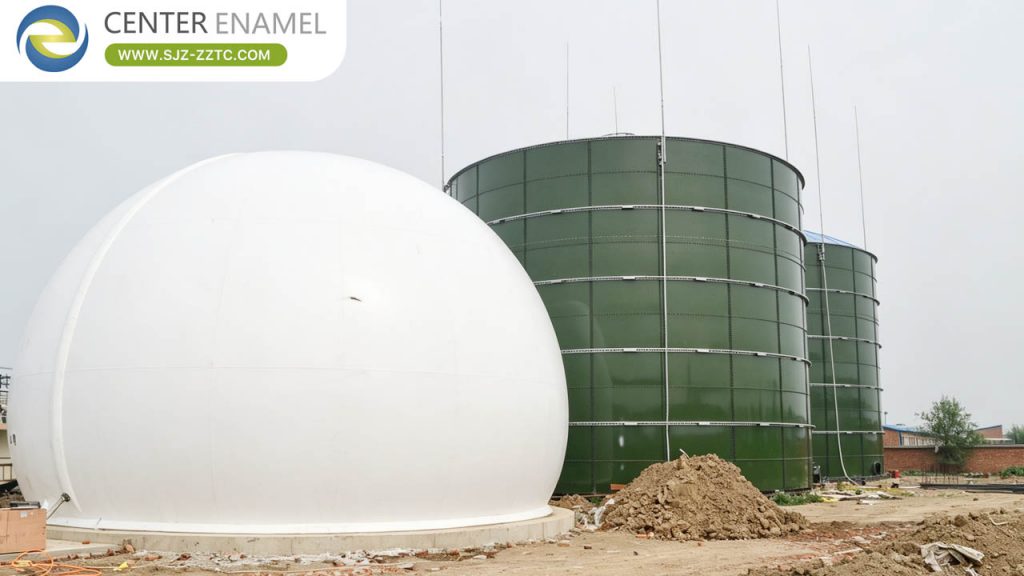
What Makes Farm Wastewater Different
Farm wastewater is not municipal sewage. It carries far higher organic load (COD commonly 5,000-50,000 mg/L depending on whether manure is flushed or scraped), high ammonia from urine, suspended solids from bedding, and pathogens. The C:N ratio, pathogen load, and seasonal flushing volume all change the process choice, so a dairy, a piggery, and a poultry unit each need a scoped train rather than a catalogue plant.
| Stream | Typical COD | Key Issue | First Step |
| Dairy flush | 5,000-20,000 mg/L | High solids + ammonia | Solid-liquid separation |
| Piggery wash | 10,000-50,000 mg/L | NH3-N, pathogens | Separation + UASB |
| Poultry litter leachate | 15,000-60,000 mg/L | N, P, solids | Anaerobic + AOAO |
| Silage runoff | 1,000-5,000 mg/L | Acid, BOD | Neutralize + bio |
Farm Systems Differ By Animal And Housing
Farm systems differ by animal and housing, and that difference sets the first separator. Dairy and beef operations generate dilute, high-volume flushed water plus parlor and yard cleaning runoff; cage-free poultry layers produce litter leachate with high nitrogen and phosphorus; and open lots add silage and rain-driven runoff. These differences decide whether the first separator sees mostly water or mostly bedding solids, and whether ammonia or phosphorus is the binding constraint on the permit - so the train is scoped per enterprise, not per generic recipe.
| Housing | Dominant Stream | Binding Constraint |
| Dairy parlor + yard | Dilute flush + runoff | Volume, ammonia |
| Cage-free poultry | Litter leachate | Nitrogen, phosphorus |
| Open beef lot | Silage + rain runoff | BOD, solids |
| Mixed smallholdings | Scraped manure + wash | Solids, pathogens |
The Treatment Train For Farm Operations
Solids are first separated so the liquid stream is manageable and the solids can be composted or digested. The liquid then enters an anaerobic step (USR for solid-rich feed, UASB for dissolved load) that cuts organic load and recovers biogas, followed by an aerobic stage such as AOAO that removes the remaining BOD and nitrogen. Polishing (clarification, sometimes filtration) brings the water inside the limit. Covers on the tanks also capture odor and gas.
| Stage | Unit | Removes | Note |
| Separation | Screen / screw press | TSS, bedding | Solids to compost/digester |
| Anaerobic | USR / UASB | COD, biogas | Methane 55-65% of biogas |
| Aerobic | AOAO / SBR | BOD, NH3-N | Nutrient + pathogen cut |
| Polish | Clarifier / filter | Fine solids | Inside permit |
Project Case Study: Gaopu Dashun Hoggery Wastewater Treatment
Project / Application: Hoggery (pig farm) wastewater, Puning, Guangdong, China. Industry: Livestock / pig farming. Process: Pre-process + USR + AOAO. Key Requirements: Handle 300 m3/day of water-submerged manure-cleaning wastewater.
| Field | Value | Source / Evidence |
| Location | Dashun Hoggery, Puning, Guangdong | Company project reference |
| Treatment Process | Pre-process + USR + AOAO | Company project reference |
| Treatment Capacity | 300 m3/day | Company project reference |
| Wastewater Type | Manure cleaning by water submerging | Company project reference |
| Application | Hoggery / Pig Farm Wastewater | Company project reference |
| Process Stages | 3-stage treatment system | Company project reference |
About Company
Shijiazhuang Zhengzhong Technology Co., Ltd (Center Enamel) is a comprehensive high-tech enterprise specializing in wastewater engineering, process section contracting, and equipment manufacturing. The company delivers biogas and wastewater projects through three main lines - EPC (turnkey) contracting, equipment supply, and process packages - covering livestock and municipal wastewater, biomass energy, industrial wastewater, and food waste. Its reactor portfolio spans CSTR, USR, UBF, UASB, IC, and EGSB, backed by in-house Glass-Fused-to-Steel tank manufacturing (enamel firing at 820-930 C) and certifications including ISO 9001, NSF/ANSI 61, and CE-EN 1090. With 35+ years of operation, a 150,000 m2 manufacturing base, and projects in 100+ countries, Center Enamel provides the single-responsibility engineering behind the Gaopu Dashun hoggery project that applied a pre-process + USR + AOAO train to 300 m3/day of manure-cleaning wastewater - a scoped farm solution, not a generic package.
Comparison: Flush Vs Scrape Systems
| Element | Flush (water-rich) | Scrape (solid-rich) |
| Volume | High, dilute | Low, concentrated |
| Reactor type | UASB friendly | USR friendly |
| Biogas yield | Moderate | Higher per tonne |
| Best for | Confined pig/dairy | Bedded barns |
Farm wastewater treatment is the load-specific integration of separation, anaerobic conversion, aerobic nutrient removal, and polishing - scoped from the animal type, manure concentration, and the permit, not assembled from a menu of units.
Frequently Asked Questions
Q1: What is in farm wastewater? A1: Manure solids, dissolved organics, ammonia, phosphorus, bedding, and pathogens at concentrations far above municipal sewage.
Q2: How is livestock wastewater treated? A2: Solid-liquid separation, then anaerobic (USR/UASB) and aerobic (AOAO/SBR) stages, then polishing to the limit.
Q3: Can treated farm water be reused? A3: Yes for irrigation or wash-down after polishing, provided local rules on pathogens and nitrogen are met.
Q4: Which tank resists manure corrosion? A4: A Glass-Fused-to-Steel tank resists the corrosive, abrasive manure stream and bolts together on site.
Q5: Does anaerobic treatment recover energy? A5: Yes, biogas is 55-65% methane and can fuel a boiler or CHP after conditioning.
Q6: What C:N balance is targeted? A6: Co-digestion aims for a C:N near 20-30:1 for stable digestion.
Q7: How is ammonia controlled? A7: An anoxic/oxic stage (AOAO) strips ammonia and supports denitrification.
Q8: Who scopes the farm train? A8: An engineer runs the mass balance against the permit before specifying reactors.
Suggested CTA
Send your animal type, flush volume, and discharge limit to an engineer, or request a scoped farm wastewater treatment outline.