
Floating Dome Digester: Design, Working Principle, and Applications
In the field of decentralized renewable energy and organic waste management, the floating dome digester (frequently referred to as a floating drum or floating gasholder digester) stands out as one of the most reliable and user-friendly anaerobic digestion systems. Famous for its role in traditional farm and community biogas projects, this configuration offers a distinct engineering advantage: constant operating gas pressure and instant visual monitoring of gas storage levels.
Understanding the structural anatomy, working mechanics, and operational requirements of floating dome systems is essential for agricultural engineers, project developers, and sustainability technicians.
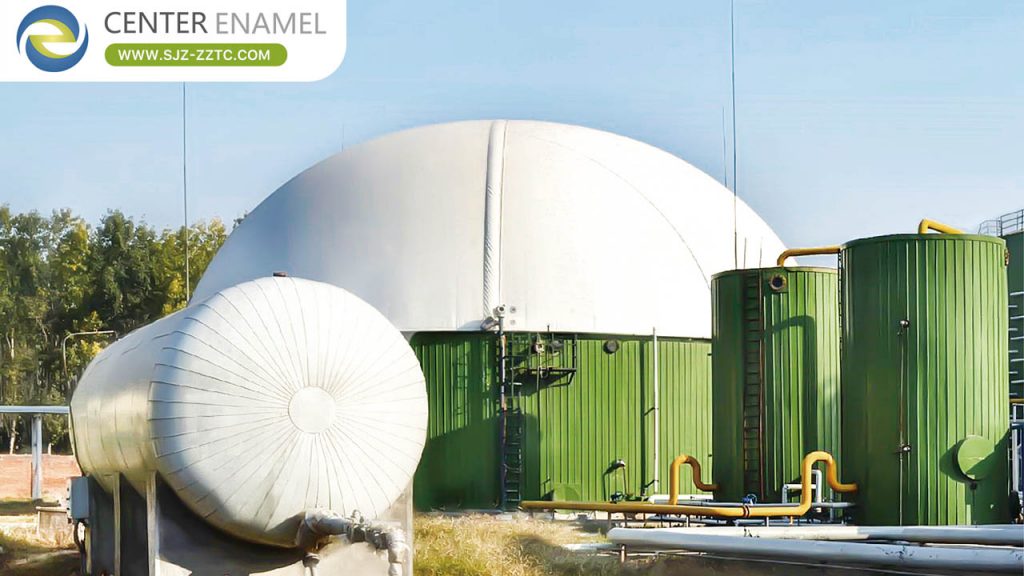
Core Structural Anatomy of a Floating Dome Digester
A standard floating dome digester installation is engineered with two primary structural zones:
- The Underground Fermentation Pit: A subterranean pit—typically built from brick, stone masonry, or reinforced concrete—that houses the organic slurry in a strictly oxygen-free environment.
- The Movable Floating Dome (Gasholder): An inverted cylindrical drum (traditionally constructed from welded steel sheets, fiberglass-reinforced plastic [FRP], or high-density polyethylene) that fits directly over the digestion chamber or inside a dedicated water-jacket seal.
- The Vertical Guide Frame: A robust central or peripheral guiding mechanism that keeps the floating dome aligned vertically, preventing it from tilting, jamming, or scraping against the outer walls as it moves.
- Inlet and Outlet Conduits: Specially structured pipes designed for the continuous daily input of fresh organic waste and the smooth, automatic overflow of processed digestate.
Working Principle: How a Floating Dome Digester Operates
The operational cycle of a floating dome digester relies on natural biological conversion and clean mechanical feedback:
- Anaerobic Breakdown: Microorganisms break down organic feedstocks (such as animal manure, agricultural residues, and food waste) inside the underground chamber, producing raw biogas composed primarily of methane (CH4) and carbon dioxide (CO2).
- Gas Collection and Dome Elevation: As gas accumulates, it is trapped directly beneath the inverted floating dome. The upward pressure of the gas lifts the drum vertically along its guide frame, expanding the storage volume.
- Constant Pressure Delivery: Unlike fixed-dome systems where internal gas pressure fluctuates wildly based on storage volume, the constant weight of the movable floating dome exerts a uniform downward force. This ensures a steady, reliable flow of gas to burners, engines, or generators.
- Instant Visual Monitoring: The physical height of the floating drum acts as an intuitive, maintenance-free visual gauge, allowing operators to assess available gas storage at a glance.
Comparative Data Table: Floating Dome vs. Other Digester Configurations
| Engineering Parameter | Floating Dome Digester | Fixed-Dome Digester | CSTR / GFS Tank |
| Gas Storage Dynamics | Movable dome / Constant operating pressure | Rigid stationary dome / Variable pressure | External dual-membrane gasholder |
| Gas Monitoring | Direct visual indicator via drum height | Indirect (requires external pressure gauges) | Monitored via control room automation |
| Moving Parts | Yes (movable drum and guide frame) | Zero moving parts | Internal mechanical mixers/agitators |
| Primary Construction Material | Masonry pit + Steel/FRP movable drum | Underground brick and concrete masonry | Glass-Fused-to-Steel (GFS) bolted panels |
| Corrosion Maintenance | Regular repainting required for steel drums | Minimal structural maintenance required | Industrial corrosion-resistant fused glass |
Frequently Asked Questions (FAQ)
Q1: What is the primary benefit of a floating dome digester over a fixed-dome system?
A: The main benefit is constant gas pressure. Because the weight of the movable floating dome remains uniform, it delivers a steady, reliable flow of gas to appliances or engines without pressure surges, alongside an instant visual indicator of remaining gas volume.
Q2: Why do traditional steel floating domes require routine maintenance?
A: Traditional steel gasholder drums are exposed to corrosive hydrogen sulfide (H2S) and moisture inside the biogas mixture, as well as external weathering. In humid environments, steel drums require periodic repainting every 1 to 3 years to prevent rust and extend their operational lifespan.
Q3: How is the floating dome prevented from getting stuck or tilting during operation?
A: The drum is secured by a central or external guide frame that keeps it aligned vertically as it moves up and down. Additionally, many modern designs utilize a water-jacket configuration, where the drum floats in a separate ring of water rather than directly in heavy organic slurry, preventing it from jamming in surface crust.