
Floating Drum Biogas Plants: Design, Working Principle, and Operational Advantages
In the evolution of renewable energy and organic waste management, the floating drum biogas plant—famously known as the Indian or "Gobar" gas plant—has remained a cornerstone design. Characterized by an underground fermentation digester paired with an inverted, movable gas storage drum, this system offers unique operational benefits, most notably a constant gas supply pressure and clear visual tracking of gas volume.
Understanding the structural configuration, working mechanics, and maintenance requirements of floating drum systems is vital for agricultural engineers, commercial operators, and renewable energy developers.
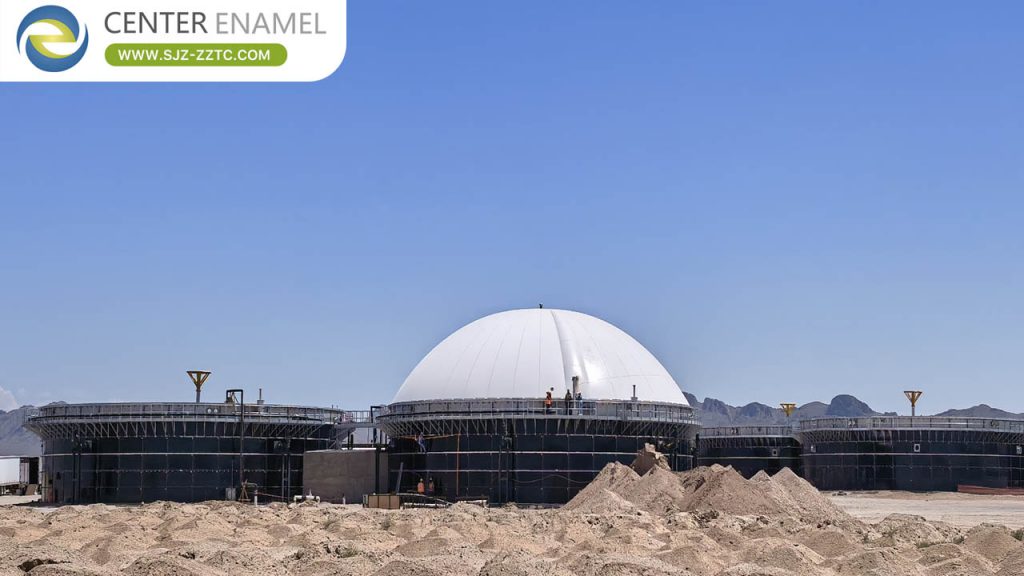
Core Structural Components of a Floating Drum System
A standard floating drum biogas installation consists of two primary engineering segments:
- The Underground Digester Pit: Typically constructed from brick, reinforced concrete, or stone masonry, this subterranean vessel contains the fermentation slurry in a strictly oxygen-free environment.
- The Movable Gasholder Drum: An inverted cylindrical drum (traditionally built from welded steel sheets, fiberglass-reinforced plastic [FRP], or high-density polyethylene) that fits over the digester or inside a dedicated water jacket.
- The Guiding Frame: A central or external vertical guide structure that prevents the floating drum from tilting, jamming, or scraping against the outer walls.
- Inlet and Outlet Chambers: Conduits that allow continuous daily feeding of fresh organic waste and the smooth overflow of processed digestate.
Working Principle: How a Floating Drum Biogas Plant Operates
The operational cycle of a floating drum system relies on natural biological conversion and clean mechanical feedback:
- Anaerobic Breakdown: Organic feedstocks (such as animal manure, agricultural waste, or food scraps) enter the underground digester, where anaerobic bacteria decompose the matter without oxygen.
- Gas Accumulation & Drum Elevation: As biogas (CH4 and CO2) is produced, it rises and collects directly inside the inverted storage drum. The trapped gas pushes upward, causing the drum to rise vertically along its guiding frame.
- Constant Pressure Delivery: Unlike fixed-dome systems where gas pressure fluctuates widely, the weight of the movable floating drum exerts a uniform, steady downward force on the gas. This ensures consistent burner performance and stable pressure throughout utilization.
- Visual Monitoring: The physical height of the floating drum serves as an immediate, maintenance-free visual indicator of how much gas is available in storage.
Comparative Data Table: Floating Drum vs. Fixed-Dome Biogas Plants
| Engineering Parameter | Floating Drum Biogas Plant | Fixed-Dome Biogas Plant |
| Gas Storage Dynamics | Movable drum / Constant operating pressure | Rigid dome / Variable gas pressure |
| Gas Monitoring | Direct visual indicator via drum height | Indirect (requires external pressure gauges) |
| Moving Parts | Yes (movable gasholder drum and guide frame) | Zero moving parts |
| Primary Construction Material | Masonry digester + Steel/FRP drum | Underground brick and concrete masonry |
| Corrosion Maintenance | Regular repainting required for steel drums | Minimal structural maintenance required |
| Ideal Application | Farms, institutions, and commercial kitchens | Rural households and low-maintenance sites |
Frequently Asked Questions (FAQ)
Q1: What is the main advantage of a floating drum biogas plant over a fixed-dome plant?
A: The primary advantage is constant gas pressure. Because the weight of the movable drum remains uniform, it delivers a steady, reliable flow of gas to burners or generators, accompanied by an instant visual indicator of remaining gas volume based on the drum's height.
Q2: Why do steel floating drums require regular maintenance?
A: Traditional steel gasholder drums are exposed to corrosive hydrogen sulfide (H2S) and moisture inside the biogas mixture, alongside external weathering. In humid regions, steel drums require periodic repainting every 1 to 3 years to prevent rust and extend their operational lifespan.
Q3: How is the floating drum prevented from getting stuck or tilting?
A: The drum is secured by a central or external guide frame that keeps it aligned vertically as it moves up and down. Additionally, many modern designs utilize a water jacket configuration, where the drum floats in a separate ring of water rather than directly in heavy organic slurry, preventing it from getting stuck in surface scum.