
Floating Drum vs. Fixed Dome Biogas Plants: Comprehensive Engineering Comparison
When planning decentralized anaerobic digestion systems, agricultural engineers, project developers, and rural energy planners frequently evaluate two foundational architectural models: the floating drum biogas plant (often called the Indian or Gobar gas model) and the fixed dome biogas plant (often called the Chinese model).
While both systems rely on biological anaerobic digestion to convert organic waste into methane-rich biogas and high-grade organic fertilizer, their structural mechanics, gas storage dynamics, and operational requirements differ significantly. Understanding these differences is critical for selecting the right system for a specific site.
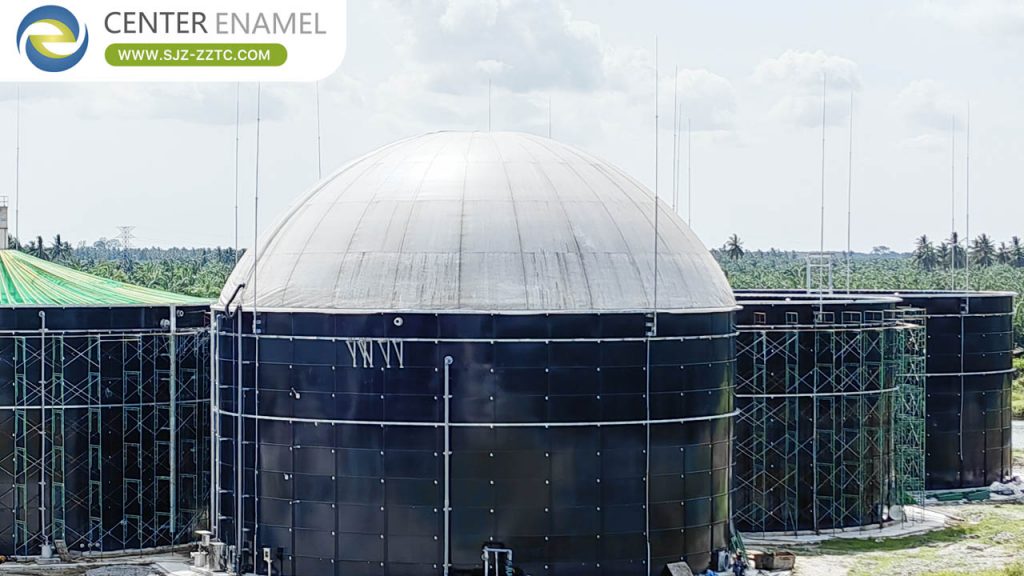
1. Architectural and Structural Differences
- Floating Drum Biogas Plant: Features an underground brick or concrete fermentation pit paired with an inverted, movable gasholder drum (traditionally constructed from welded steel, fiberglass-reinforced plastic [FRP], or high-density polyethylene) that floats directly on top of the slurry or in a water jacket. The drum moves vertically along a central or external guide frame.
- Fixed Dome Biogas Plant: Engineered as a completely underground, rigid masonry or concrete structure. It consists of a subterranean fermentation chamber fused with a stationary, non-movable upper dome that acts as the gas collection headspace, coupled with an adjoining external expansion chamber to handle liquid displacement.
2. Gas Pressure Dynamics and Delivery
- Floating Drum: Delivers a constant, steady operating gas pressure. Because the weight of the movable floating drum remains uniform regardless of how much gas is stored, it provides reliable pressure to burners and generators without surging or tapering.
- Fixed Dome: Operates under variable gas pressure. Because the gas dome is stationary, internal pressure rises as gas accumulates and pushes slurry into the expansion chamber, and drops as gas is consumed. Appliances may require pressure regulation during heavy use cycles.
3. Durability, Lifespan, and Maintenance
- Floating Drum: Contains moving parts and traditional steel drums that are vulnerable to corrosive hydrogen sulfide (H2S) and moisture. Steel floating drums require routine inspection and periodic repainting every 1 to 3 years to prevent rust and extend their 10-to-15-year service life.
- Fixed Dome: Boasts a zero-moving-parts architecture built entirely from durable underground masonry and reinforced concrete. With no metal gasholders exposed to corrosive gases, well-constructed fixed-dome systems easily achieve a multi-decade operational lifespan exceeding 20 to 30+ years.
4. Thermal Stability and Climate Resilience
- Floating Drum: The upper drum is partially or fully exposed to ambient surface weather conditions. In colder climates, thermal loss through the metal or plastic shell can lower internal digester temperatures unless heavily insulated.
- Fixed Dome: Built entirely underground, providing superior subterranean thermal insulation. The surrounding soil shields the biological core from sudden ambient temperature swings, helping maintain stable mesophilic digestion year-round.
Comparative Data Table: Floating Drum vs. Fixed Dome Biogas Plants
| Engineering Parameter | Floating Drum Biogas Plant | Fixed-Dome Biogas Plant |
| Gas Pressure Output | Constant operating pressure | Variable pressure (fluctuates with volume) |
| Moving Parts | Yes (movable drum and guide frame) | Zero moving parts |
| Gas Storage Monitoring | Direct visual indicator via drum height | Indirect (requires external gauges) |
| Primary Construction Materials | Masonry pit + Steel/FRP movable drum | Underground brick, concrete, and masonry |
| Expected Structural Lifespan | 10 to 15 years (requires corrosion maintenance) | 20 to 30+ years (highly durable) |
| Thermal Insulation | Moderate (surface-exposed gasholder) | High (fully underground placement) |
| Construction Skill Required | Moderate modular/metal fabrication | High masonry and water-tight sealing skill |
Frequently Asked Questions (FAQ)
Q1: Which biogas plant is easier to operate: floating drum or fixed dome?
A: Floating drum plants are generally easier for everyday users because the drum's height provides an instant visual indicator of gas volume, and the system delivers steady, constant gas pressure. However, fixed-dome plants require zero mechanical maintenance since they have no moving parts.
Q2: Why do fixed-dome plants typically last longer than floating drum plants?
A: Fixed-dome plants feature solid underground masonry and concrete with zero moving parts, protecting them from mechanical wear. Traditional floating-dome systems use movable steel drums that are prone to corrosion from hydrogen sulfide (H2S) and moisture, requiring frequent rust prevention and maintenance.
Q3: How do fluctuating gas pressures in fixed-dome plants affect household appliances?
A: Because fixed-dome pressure rises when gas storage is full and drops as it empties, gas flow to stoves or burners can vary slightly. Operators can manage this by installing simple manual control valves or pressure regulators on the gas supply line.