
Gas Engines for Biogas Projects: Selection, Efficiency, and CHP Integration
The gas engine is the revenue-generating heart of most biogas projects: it converts methane-rich biogas into electricity and heat, and its efficiency, availability, and service life directly determine project cash flow. Yet engine selection is where many projects quietly lose money—an undersized or mis-specified engine derates continuously, while a poorly matched unit to gas quality can fail within months.
Biogas is not natural gas. With 50-70% methane content, variable calorific value, and contaminants such as hydrogen sulfide (H2S), siloxanes, and moisture, biogas demands purpose-configured spark-ignition or dual-fuel engines with hardened components, specialized control maps, and rigorous gas conditioning upstream. Getting this right is the difference between 8,000 and 60,000+ hours between major overhauls.
This guide covers the complete gas engine decision chain for biogas projects: technology types, methane number and derating calculations, CHP efficiency benchmarks, gas conditioning requirements, emissions compliance, and the maintenance economics that govern total cost of ownership.
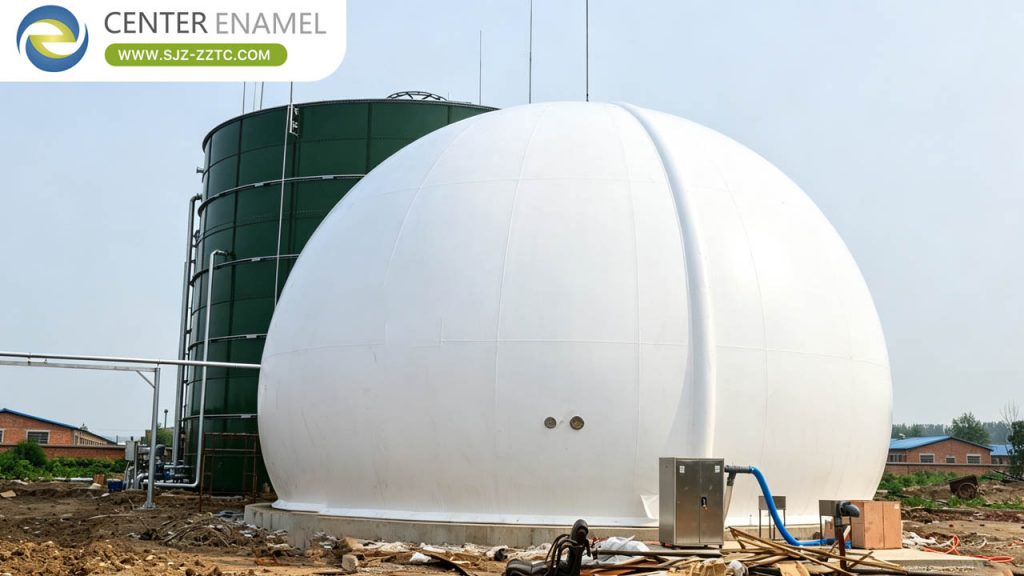
Which Gas Engine Technologies Suit Biogas Projects?
Gas engines for biogas projects fall into four proven categories: lean-burn spark-ignition (SI) engines optimized for methane-number-agnostic operation and the default choice below roughly 2 MW; dual-fuel engines that co-fire biogas with a small diesel pilot (typically 5-15% pilot fuel) and tolerate lower gas quality; stoichiometric engines with three-way catalytic converters for strict NOx regions; and gas microturbines (30-250 kW) that accept low-Btu gas with high siloxane tolerance at the cost of lower electrical efficiency (28-33%).
Gas Quality, Methane Number, and Derating
Raw biogas with 55-60% methane carries roughly 60% of the energy value of natural gas per cubic meter, so engines must be sized on energy input rather than gas volume. The methane number (MN)—a knock-resistance metric—must stay above the manufacturer's minimum (commonly MN 80+ for dedicated gas engines); high CO2 content and trace ammonia reduce it further. Practical derating rules: expect 5-15% output reduction at 55-60% CH4 versus natural gas rating, plus additional derating above 500 meters altitude or above 40 degrees C ambient temperature.
1. H2S Control: Keep below 100-200 ppm before the engine (some models accept 500 ppm); biological desulfurization in the digester headspace or activated carbon polishing protects bearings and cylinder liners from sulfuric acid corrosion.
2. Moisture Removal: Chill gas to 2-5 degrees C dew point at the engine skid to prevent condensation and combustion instability.
3. Siloxane Polishing: Mandatory for sewage-sludge and landfill gas (LFG contains 2-20 mg/m3 siloxanes); activated carbon or refrigerant dryers prevent abrasive silica deposits on valves and pistons.
4. Particulate and Foaming Control: Post-digestion gas scrubbing and condensate traps protect turbocharger geometry.
Comparative Data Table: Gas Engine Technologies for Biogas
| Parameter | Lean-Burn SI Engine | Dual-Fuel Engine | Stoichiometric + 3-Way Catalyst | Gas Microturbine |
| Electrical efficiency | 38-43% | 38-42% | 35-38% | 28-33% |
| Typical unit size | 100 kW - 2.5 MW | 300 kW - 3 MW | 50-500 kW | 30-250 kW |
| Min. methane in fuel | 45-50% | 35-45% (with pilot) | 50%+ | 35-50% |
| Tolerance to H2S (ppm) | 100-500 (model dependent) | 500-1,000 | 100-250 | 500-1,000 (with fuel cleaning) |
| Service interval (oil change) | 400-800 hrs | 500-1,000 hrs | 400-600 hrs | 4,000-8,000 hrs |
| Major overhaul | 60,000+ hrs | 50,000-60,000 hrs | 40,000-60,000 hrs | 30,000-40,000 hrs |
| Best-fit application | Farm & food waste CHP | Variable gas quality / remote sites | Strict NOx zones | Small flows, high siloxane gas |
CHP Integration: Capturing Heat Value
Total CHP efficiency for biogas engines reaches 80-90% when jacket water, aftercooler, and exhaust heat are all recovered—typically 45-55% thermal plus 38-43% electrical. Recovered heat at 80-95 degrees C digests feedstock heating (worth 20-35% of produced energy in cold climates), barn or greenhouse heating, digestate drying, or district heating sales. Projects that flare or dump heat forfeit a quarter or more of gross revenue potential, so thermal offtake planning belongs in feasibility, not commissioning.
Frequently Asked Questions (FAQ)
Q1: Can I run a standard natural gas generator on biogas?
A: Not reliably without factory conversion. Biogas's lower methane number and heating value require modified pistons, lower compression ratios, adjusted ignition timing, and larger fuel delivery. Running unconverted engines risks detonation, valve recession from H2S, and voided warranties. Most major manufacturers offer dedicated biogas variants with hardened components at a modest price premium.
Q2: What is realistic engine availability for a well-run biogas CHP?
A: Mature operations sustain 8,000-8,500 running hours per year (91-97% availability), assuming N+1 redundancy or firm service response. The dominant drivers of downtime are gas quality excursions and delayed oil sampling—both preventable with automated H2S monitoring and scheduled fluid analysis every 500-1,000 hours.
Q3: How much does biogas engine maintenance cost?
A: Budget $0.015-0.03 per kWh generated (roughly 8-15% of a typical project's OPEX), covering consumables, oil, and reserve funds for cylinder head and overhaul work. Full-service contracts with manufacturers typically run $8-20 per running hour for engines in the 500 kW-2 MW class, depending on gas quality and load factor.
Q4: Should a project generate power with an engine or upgrade gas to biomethane instead?
A: Choose CHP engines when local heat demand is strong and electricity prices or feed-in tariffs are stable; choose upgrading when gas-grid or transport-fuel premiums exceed the value of self-generated power. A useful rule: upgrading wins where biomethane sells above roughly 1.5-2x the electricity-equivalent value of raw biogas; otherwise engine CHP usually delivers faster payback.