
GFS Tanks + Double Membrane Roof: Biogas Solutions for Zambia’s Livestock Waste-to-Energy
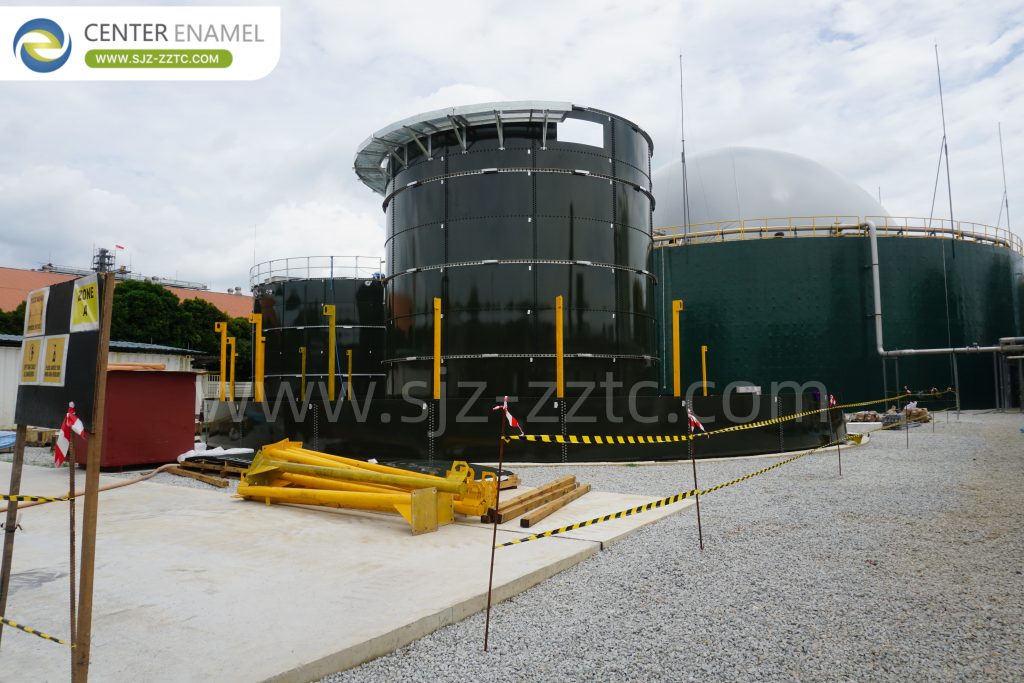
Zambia relies heavily on hydropower, which accounts for over 80% of its electricity generation. In recent years, recurring droughts have led to severe power deficits, causing prolonged load-shedding that disrupts farms, food processing plants, and rural communities. For livestock farmers, unstable electricity means interrupted water pumping, feed processing, and cooling systems. At the same time, animal waste accumulates daily, creating environmental hazards. However, this challenge also presents an opportunity. By adopting modern Biogas Solutions, Zambian farmers can convert manure into a reliable source of renewable energy-reducing dependence on an unstable grid while solving on-farm waste management.
Advantages of Converting Animal Manure to Biogas on Zambian Farms
Livestock operations-whether cattle, pigs, or poultry-produce large volumes of manure and organic wastewater. Without proper treatment, this waste releases methane, contaminates groundwater, and generates odors. Implementing a biogas system transforms this liability into an asset. Key advantages include:
Energy independence: Biogas (60–70% methane) can run generators, cookstoves, or heating systems, reducing reliance on hydroelectric power.
Lower operating costs: Self-generated energy cuts electricity and fuel expenses.
Carbon reduction: Methane capture qualifies for voluntary carbon credit programs.
High-quality fertilizer: The digestate from the process is pathogen-reduced and nutrient-rich, improving soil health.
Regulatory compliance: Treating waste helps meet environmental discharge standards.
For Zambian dairy cooperatives and pig farms, Biogas Solutions are not just environmentally sound-they are economically strategic.
Center Enamel: Professional Biogas Project Design and EPC Services
With over 36 years of history, Center Enamel is Asia’s largest manufacturer of Glass-Fused-to-Steel (GFS) tanks and an experienced provider of turnkey biogas systems. Starting with enamel frit production, the company has grown into a full-scope EPC (Engineering, Procurement, and Construction) contractor for Biogas Solutions.
Center Enamel holds certifications including CE/EN1090, ISO9001, NSF61, WARS, and EN28765, and designs to AWWA D103, OSHA, and EuroCode standards. Their services cover everything from feasibility studies and process design to equipment supply, installation, and operator training. For Zambia’s remote farms and cooperatives, Center Enamel delivers robust, long-lasting systems tailored to local conditions.
Pretreatment Stage + CSTR Process: Core of Anaerobic Digestion
Every effective Biogas Solution begins with proper feedstock preparation. Center Enamel’s pretreatment stage includes:
Screening: Removes large solids (plastic, stones, ropes) that could cause blockages.
Crushing: Reduces particle size to increase surface area for microbial activity.
Sand settling: Eliminates heavy grit to prevent wear on internal components.
Homogenization tank: Balances flow and organic load, ensuring steady downstream processing.
Following pretreatment, the heart of the system is the CSTR Process. CSTR stands for Continuous Stirred-Tank Reactor, an anaerobic digestion technology where fermentation materials and microorganisms remain in a fully mixed state inside a sealed tank. A mechanical stirrer operates continuously or semi-continuously at a controlled temperature (typically 35–37°C for mesophilic conditions). This constant mixing prevents solids from settling, avoids surface scum formation, and maximizes contact between bacteria and organic matter. As a result, the CSTR Process delivers high organic removal efficiency and stable biogas production-even with high-solids feedstocks like cattle manure or poultry litter.
Biogas is collected from the tank roof, while digestate exits for further separation and use as liquid or solid fertilizer.
GFS Tanks and Double Membrane Roof: Two Major Products for Biogas Projects
Center Enamel supplies two key products for Biogas Solutions infrastructure: GFS Tanks and two roof options-Glass-Fused-to-Steel (GFS) roof and double membrane roof.
GFS Tanks (Glass-Fused-to-Steel) are widely used for anaerobic digesters and biogas storage. The glass coating is fired at high temperature, creating a smooth, inert, and corrosion-resistant surface that withstands the acidic and high-sulfide conditions inside digesters. With a production capacity of 250,000 sheets per year, Center Enamel provides bolted GFS tanks that are easily transported and assembled on-site-perfect for Zambia’s distributed rural farms.
Roof selection depends on local conditions and project needs:
GFS roof is suitable for locations with extreme weather (high winds, heavy rain) or when a separate ground-mounted gas holder is preferred. This option works well for tank diameters under 23 meters.
Double membrane roof is the standard recommendation for normal climates. Its advantages include lower material cost and significant space savings-it integrates gas storage directly above the digester, eliminating the need for a separate gas holder and reducing the project’s land footprint.
Both roof types work seamlessly with the CSTR Process, maintaining an airtight seal while allowing efficient biogas capture.
Supporting Equipment for a Complete Biogas System
A fully functional biogas plant requires more than just a digester. Center Enamel supplies a full range of auxiliary equipment:
Gas Holder: Stores biogas to balance production and consumption.
Black Membrane: Used for lined storage ponds or secondary containment.
Solid-liquid Separator: Divides digestate into solid fiber (for bedding or compost) and liquid fertilizer.
Torch System: Safely combusts excess biogas when not needed.
Lifting Pump: Transfers feedstock and digestate between process stages.
Dehydration and Desulfurization Tank: Removes moisture and hydrogen sulfide to protect downstream equipment.
Screw Sludge Dewatering Machine: Reduces sludge volume from pretreatment or digestate handling.
This complete equipment suite ensures that Biogas Solutions operate reliably with minimal daily intervention.
Efficient Installation Capabilities of Center Enamel
Construction speed is critical for Zambian projects, especially in remote areas with short dry seasons. Center Enamel’s bolted GFS Tanks are prefabricated in a 150,000 m² production base, then shipped in compact containers. On-site assembly requires no welding and minimal heavy equipment. A typical digestion system can be erected in weeks, not months. All components are designed for straightforward assembly by local crews under technical supervision. Center Enamel also provides startup support and training, enabling farm staff to operate and maintain the system long-term. For projects in Zambia’s Eastern Province or beyond, this efficient installation method reduces weather-related delays and keeps budgets under control.
Center Enamel: A One-Stop Biogas Solution Provider for Zambia
Center Enamel is not merely a tank supplier-it is a one-stop solution provider for complete Biogas Solutions. From initial concept and engineering to equipment manufacturing, site installation, and commissioning, Center Enamel delivers turnkey systems adapted to Zambia’s agricultural landscape. Their business scope includes EPC services, process packages, and equipment supply, all backed by international certifications.
For a Zambian cattle feedlot with 2,000 head, Center Enamel can engineer a CSTR Process system using GFS Tanks with a double membrane roof, plus all auxiliary components (pumps, desulfurization, torch, solid-liquid separator). The generated biogas can power a generator that runs water pumps, lighting, and milk cooling equipment-replacing diesel or grid power. The digestate can be sold or applied to fodder crops, reducing fertilizer costs. Center Enamel manages everything: permit guidance, civil coordination, tank erection, piping, and commissioning. This integrated approach minimizes risk, shortens timelines, and guarantees a system that meets local safety and performance standards.
With exports to over 100 countries and more than 500 employees dedicated to water and wastewater treatment, Center Enamel has the scale and experience to support Zambia’s growing need for decentralized renewable energy. Whether for a small piggery or a large cooperative, Center Enamel delivers reliable, durable, and cost-effective Biogas Solutions.
Conclusion
Zambia’s hydropower dependency leaves farms vulnerable to droughts and load-shedding. By converting animal manure into biogas using the CSTR Process inside durable GFS Tanks with efficient double membrane roofs, farmers can achieve energy security, cut operating costs, and manage waste responsibly. Center Enamel provides everything from pretreatment to gas utilization-as a single, accountable partner. For Zambian farmers, cooperatives, and investors, choosing Center Enamel means choosing a certified, proven, and long-term biogas partner.
FAQ
Q1: Can the CSTR Process handle the high solids content typical in cattle and pig manure?
A1: Yes. The CSTR Process is specifically designed for feedstocks with high suspended solids (up to 12% total solids). Its continuous mechanical stirring keeps solids evenly suspended, prevents settling, and maintains consistent contact between microorganisms and fresh manure. This makes it ideal for unseparated animal slurry common on Zambian farms.
Q2: How does the double membrane roof improve a biogas project’s economics?
A2: The double membrane roof combines digestion and gas storage in one structure. It eliminates the need for a separate ground-mounted gas holder, saving land, foundation costs, and installation time. For Zambian farms with limited space or budget, this reduces the total project investment while maintaining safe biogas collection.
Q3: Can Center Enamel train local Zambian operators to run the system?
A3: Absolutely. Center Enamel includes comprehensive on-site training as part of every Biogas Solution delivery. Local operators learn daily checks, feeding schedules, maintenance procedures, and safety protocols. Additionally, remote support is available via digital tools. This ensures the system remains productive long after commissioning, even in remote locations.