
Ghana Municipal Sewage Treatment: Leading Anaerobic Solutions with GFS Tanks and A2O Process
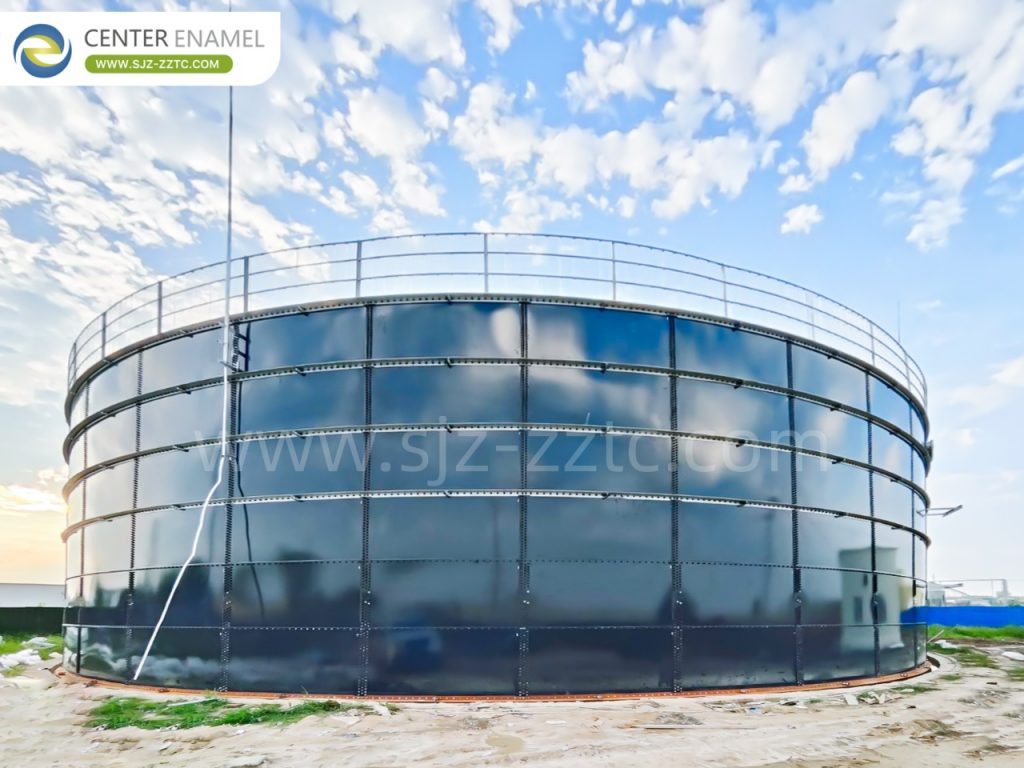
Municipal sewage, commonly known as domestic wastewater, is the liquid waste generated from households, commercial establishments, and public facilities within a city or municipality. This complex mixture contains a wide array of pollutants that pose significant health and environmental hazards. The composition of municipal sewage includes organic matter, nutrients like nitrogen and phosphorus, pathogenic microorganisms, suspended solids, and various chemicals such as heavy metals and pesticides.
The hazards associated with untreated municipal sewage are severe. Pathogens present in the wastewater can cause infectious diseases, threatening public health. Nutrient pollution, particularly from nitrogen and phosphorus, can lead to eutrophication of water bodies, causing algal blooms and ecosystem damage. Contamination of water sources by sewage can compromise drinking water supplies and harm aquatic life. These risks make effective municipal sewage treatment essential for protecting both human health and the environment.
Ghana's Municipal Wastewater Treatment Challenges
Ghana, as a rapidly growing West African nation, faces significant challenges in managing municipal wastewater. Major cities including Accra, Kumasi, and Sekondi-Takoradi generate massive volumes of municipal wastewater daily from residential communities, commercial zones, and public services. However, the situation remains critical. Reports indicate that Ghana is ranked as the second dirtiest country in Africa and the seventh dirtiest country in the world in terms of sanitation. The Accra Metropolitan Area alone inhabits more than 1 million citizens, yet the only wastewater treatment plant in the metropolis treats only about 15% of sewage, mostly servicing the central business area. A large proportion of the population still relies on non-sewage public toilets, on-site sanitation facilities, or open defecation.
Several specific challenges compound the issue:
Low Sewer Coverage – Incomplete pipe networks lead to large-scale scattered pollution in suburban and rural areas, with most fecal sludge currently disposed of directly and untreated into the sea at locations like the Korle Gonno Lagoon and "Lavender Hill".
Severe Water Pollution – Direct discharge contaminates rivers, lakes, and groundwater, threatening drinking water safety and ecological balance.
Inadequate Treatment Infrastructure – Existing municipal sewer systems and wastewater treatment facilities are either broken down or severely inadequate compared to their surrounding population.
High Energy Consumption – Aerobic treatment systems consume large amounts of electricity, increasing operational costs and carbon footprint.
Public Health Risks – Poor sanitation conditions lead to regular outbreaks of cholera and other diseases, particularly affecting vulnerable communities.
Against this background, integrated municipal wastewater treatment projects combining Anaerobic Solutions with optimized A2O have become the optimal pathway for Ghana to upgrade water environment governance and improve public health.
Center Enamel: Professional Design Solutions for Municipal Sewage Projects
Shijiazhuang Zhengzhong Technology Co., Ltd (Center Enamel) is a comprehensive high-tech enterprise specializing in wastewater treatment engineering, process section contracting, and equipment manufacturing. With over 35 years of history, a 150,000㎡ R&D and manufacturing center, and a production capacity of 300,000 sheets per year, Center Enamel has established itself as a global leader in water treatment solutions.
For municipal sewage projects in Ghana, Center Enamel provides customized, integrated solutions that combine professional engineering design with high-quality equipment manufacturing. The company offers turnkey EPC (Engineering, Procurement, and Construction) services, covering everything from initial design and manufacturing to installation, commissioning, and after-sales support. With extensive experience in municipal sewage, biogas engineering, and industrial wastewater treatment across multiple countries, Center Enamel is well-positioned to address Ghana's unique wastewater treatment challenges. The company has already successfully completed a domestic sewage treatment project in Ghana, treating 1,800 tons of wastewater per day using GFS tanks as carriers.
Municipal Sewage Treatment Process Overview
The municipal sewage treatment process designed by Center Enamel follows a comprehensive treatment train to ensure effective removal of pollutants. The key stages are as follows:
Collection Tank – Wastewater first enters the collection tank, which serves to collect and equalize water quality and quantity. This step buffers inflow fluctuations, ensuring stable conditions for downstream treatment units.
Anaerobic Tank – From the collection tank, wastewater flows into the anaerobic tank. Here, anaerobic microorganisms decompose organic matter, converting large-molecule organic compounds into smaller ones under oxygen-free conditions. This is a core component of Anaerobic Solutions, where organic components are converted into biogas energy through hydrolysis, acidification, acetogenesis, and methanation.
Anoxic Tank – The sewage then enters the anoxic tank, where denitrifying bacteria utilize organic matter as a carbon source. These bacteria reduce nitrate nitrogen in the return mixed liquid to nitrogen gas, which is released into the atmosphere, achieving denitrification.
Aerobic Tank – In the aerobic tank, aerobic microorganisms further decompose and metabolize organic matter. Simultaneously, nitrification reactions occur, converting ammonia nitrogen into nitrate nitrogen.
MBR Tank – The treated water flows into the MBR tank, which combines high-efficiency membrane separation technology with the traditional activated sludge process. The membrane module replaces the secondary sedimentation tank, intercepting a large number of microbial flora within the biological system, thereby improving treatment capacity and efficiency.
Ultraviolet (UV) Disinfection – Effluent from the MBR tank enters the UV disinfection unit, where ultraviolet radiation effectively kills bacteria, viruses, and other microorganisms, ensuring compliance with discharge standards.
Sludge Treatment – Residual sludge from the MBR tank is directed to a sludge thickener for concentration, increasing its solids content. It is then dewatered using a screw-type sludge dewatering machine. The dewatered sludge is finally transported off-site for further treatment or disposal.
The A2O Process: Core Technology for Nutrient Removal
The A2O Process (Anaerobic-Anoxic-Oxic) is a widely adopted biological treatment process for municipal sewage that efficiently removes organic matter, nitrogen, and phosphorus. As the mainstream municipal wastewater treatment process, A2O has proven its efficacy in simultaneous removal of organic pollutants and nutrients from domestic wastewater.
The A2O process creates three distinct zones in sequence. In the anaerobic zone, phosphorus is released by phosphate-accumulating organisms (PAOs) as they take up volatile fatty acids. The anoxic zone facilitates denitrification, where nitrate nitrogen is reduced to nitrogen gas using organic carbon as an electron donor. Finally, in the oxic zone, aerobic microorganisms oxidize organic matter and ammonia to nitrate, and PAOs take up excess phosphorus.
Research has shown that the A2O process proficiently removes surfactants and phosphorus via microbial metabolism. When combined with anaerobic digestion for energy recovery, A2O provides deep polishing of effluent for water reuse applications. This is particularly valuable for Ghana's growing need for water reuse in agriculture and urban landscaping.
GFS Tanks and Roof Cover Solutions for Municipal Sewage Projects
GFS Tanks (Glass-Fused-to-Steel Tanks) are a core component of Center Enamel's municipal sewage treatment solutions. These tanks are manufactured using premium technology where molten glass is fired at 820°C-930°C to react with the steel plate surface, forming an inert, inorganic bond. This process combines the strength and flexibility of steel with the outstanding corrosion resistance of glass, creating tanks that are ideal for wastewater applications.
The GFS tanks offer several key advantages for municipal sewage treatment in Ghana's tropical climate:
Superior Corrosion Resistance – The glass coating protects against the corrosive nature of wastewater, biogas, and high-humidity environments.
Excellent Airtightness – Specialized sealing structure effectively prevents biogas leakage, ensuring safe and efficient biogas collection in anaerobic digestion applications.
Modular Bolted Design – Enables fast, on-site assembly without welding, reducing installation time and construction risks.
Long Service Life – Exceeds 30 years, providing long-term reliability and low maintenance costs.
Heat Stability – Good thermal adaptability suitable for tropical high-temperature environments.
Center Enamel has successfully applied GFS tanks in Ghana's domestic sewage treatment project, which included four GFS tanks serving as UBF Tank, Second Sedimentation Tank, and A2/O Tanks.
To further enhance the performance of municipal sewage treatment facilities, Center Enamel offers a range of advanced roof cover solutions that perfectly complement GFS tanks. These roof systems address critical operational requirements including gas-tightness, odor control, and biogas collection:
Aluminum Geodesic Dome Roof – An innovative self-supporting structure engineered from high-grade aluminum, providing advanced corrosion resistance and expansive clear span capability. The geometric geodesic design distributes weight evenly, delivering exceptional structural strength to withstand extreme weather conditions including high winds, heavy rainfall, and tropical storms. These roofs are particularly valuable for odor control, reducing wind-induced vapor loss, and providing significant emission credits.
Glass-Fused-to-Steel (GFS) Roof – Featuring a cone-shaped design with external or internal beams, this roof offers excellent air-tightness for pressurized structures. It is a viable solution for demanding applications where odor containment and structural integrity are essential.
Single and Double Membrane Roof – A superior option for anaerobic digestion processes and biogas applications, these membrane roofs provide exceptional air-tightness for biogas collection and odor control. When integrated with an anaerobic digestion tank, the cover on top creates a cost-effective, space-saving solution that combines tank and gas-holder functions in one structure.
FRP Roof (Fiber-Reinforced Plastic) – Suitable for applications where air-tightness is not required, such as drinking water storage, agriculture, fire water, and general wastewater storage. Available in dome or flat configurations, FRP roofs offer a lightweight and corrosion-resistant option for non-pressurized applications.
The combination of GFS tanks with these advanced roof systems creates a comprehensive storage solution for municipal sewage treatment facilities. The various roof options protect tank contents from rainfall and debris while providing either odor containment or biogas collection as required. With efficient, cost-effective construction and minimal maintenance requirements, these solutions are ideal for wastewater treatment plants where space and operational efficiency are critical.
Center Enamel understands that every wastewater treatment project has unique requirements. Whether you need the robust air-tightness of a GFS or membrane roof for anaerobic digestion, the corrosion-resistant clear-span coverage of an Aluminum Geodesic Dome Roof, or the cost-effective open-top design of an FRP roof for water storage, Center Enamel can customize the optimal roof solution based on your specific project needs, climate conditions, and budget constraints. With our engineering expertise and extensive product portfolio, we deliver tailored solutions that maximize operational efficiency and long-term reliability.
Supporting Equipment for Municipal Sewage Treatment
In addition to GFS tanks and dome roofs, Center Enamel provides a comprehensive range of supporting equipment:
Screw Stack Sludge Dewatering Machine – Efficiently processes and reduces sludge volume.
Sludge Transfer Pump – Moves sludge between treatment units.
Submersible Mixer – Maintains homogeneous conditions in tanks.
Lifting Pump – Transports wastewater through the treatment train.
UV Sterilizer – Provides final disinfection, ensuring pathogen-free effluent.
Sludge Return Pump – Recycles activated sludge back to aeration tanks, maintaining optimal microbial populations.
This complete equipment suite enables a fully integrated, efficient treatment system.
Center Enamel's Efficient Installation Capabilities
Center Enamel has established a standardized installation system adapted to Ghana's construction conditions and tropical climate:
Modular Bolted Assembly – GFS tanks are assembled without on-site welding, reducing quality risks associated with high temperature and humidity. This modular production and on-site assembling mode offers advantages of low cost, simple and fast construction, and minimum maintenance.
Professional On-Site Team – Experienced engineers provide full-process guidance and training, ensuring construction efficiency.
Strict Acceptance Testing – Includes comprehensive airtightness, pressure, and corrosion resistance tests to ensure projects meet international standards including ISO 9001, NSF/ANSI 61, and WRAS.
Shortened Project Cycles – Efficient installation significantly reduces construction time, enabling treatment plants to begin operations faster and deliver environmental benefits sooner.
This efficient installation approach is particularly valuable in Ghana's urban areas where space constraints and operational continuity are critical considerations.
Center Enamel: One-Stop Solution Provider for Ghana
Center Enamel serves as a one-stop solution provider for municipal wastewater treatment projects in Ghana. The company offers full turnkey EPC services covering design, manufacturing, transportation, installation, commissioning, training, and after-sales maintenance. With deep understanding of West African policies, regulations, and construction environments, Center Enamel delivers customized solutions tailored to each project's specific wastewater characteristics and scale requirements.
The company's comprehensive product portfolio includes GFS tanks, aluminum geodesic dome roofs, anaerobic digesters, and supporting equipment, all manufactured to international standards including ISO 9001, NSF/ANSI 61, WRAS, and ISO 28765. With proven success implementing wastewater treatment projects across multiple countries, including a successful domestic sewage treatment project in Ghana, Center Enamel combines technical expertise with extensive engineering experience to help the nation address its water security challenges and achieve sustainable urban development.
The integration of Anaerobic Solutions with GFS tanks and the A2O Process creates a pathway that achieves "treatment + energy + water reuse + resource" quadruple benefits, aligning with Ghana's goals for improved sanitation and environmental protection.
Conclusion
Effective municipal sewage treatment is essential for Ghana's sustainable urban development, protecting public health, water resources, and the environment. Center Enamel's comprehensive solutions, combining Anaerobic Solutions technology, GFS Tanks with roof cover solution, and the A2O Process, offer efficient, reliable, and cost-effective treatment options. These integrated systems not only purify wastewater but also recover valuable resources, including biogas for renewable energy and treated water for reuse in agriculture and landscaping. With proven expertise and a commitment to quality, Center Enamel is positioned as a valuable partner for Ghana's municipal wastewater treatment infrastructure development, supporting the country's goals of improved sanitation, water security, and public health.
FAQ
1. What are Anaerobic Solutions and why are they important for Ghana's municipal sewage treatment?
Anaerobic Solutions involve biological processes that break down organic matter in the absence of oxygen, producing biogas (methane) as a renewable energy source. For Ghana, these solutions are critical because they reduce sludge volume, generate renewable energy to offset operational costs, and provide a sustainable approach to wastewater management that can be deployed in areas with limited energy infrastructure.
2. How do GFS Tanks with Aluminum Geodesic Dome Roof perform in Ghana's tropical climate?
GFS Tanks offer superior corrosion resistance and heat stability, making them ideal for Ghana's high-temperature, high-humidity conditions. The Aluminum Geodesic Dome Roof provides additional protection against rainfall and debris while containing odors and biogas. Their modular bolted design allows fast installation without welding, reducing quality risks associated with tropical weather and enabling rapid deployment.
3. What EPC services does Center Enamel provide for municipal wastewater projects in Ghana?
Center Enamel offers complete turnkey EPC services covering design, manufacturing, transportation, installation, commissioning, training, and after-sales maintenance. The company provides customized solutions based on each project's specific wastewater characteristics and scale requirements, with professional on-site teams ensuring efficient installation and high-quality standards. Center Enamel has already successfully implemented a domestic sewage treatment project in Ghana treating 1,800 tons per day.