
Green Energy by Biogas Projects: Certification, Markets, and Business Value
Corporations, utilities, and governments are purchasing record volumes of verified green energy—but not all renewable certificates carry equal value. Green energy by biogas projects occupies a premium position in this market because biomethane is a drop-in replacement for fossil natural gas, delivering verifiable decarbonization of heat, industry, and transport sectors that solar and wind certificates simply cannot reach.
The commercial mechanism is straightforward: a biogas project that upgrades raw biogas to biomethane and injects it into the gas grid—or compresses it as CBG for transport—can separate the physical energy from its environmental attributes. Those attributes are certified, tracked in registries, and sold as renewable gas certificates or bundled into premium offtake contracts with corporations pursuing science-based targets.
This guide explains how green energy from biogas is certified, priced, and sold across major markets—covering certification schemes such as ISCC EU/REDcert, the Green-e and RIN systems in North America, the Guarantees of Origin framework in Europe, and the growing corporate power purchase agreement (PPA) market for renewable natural gas.
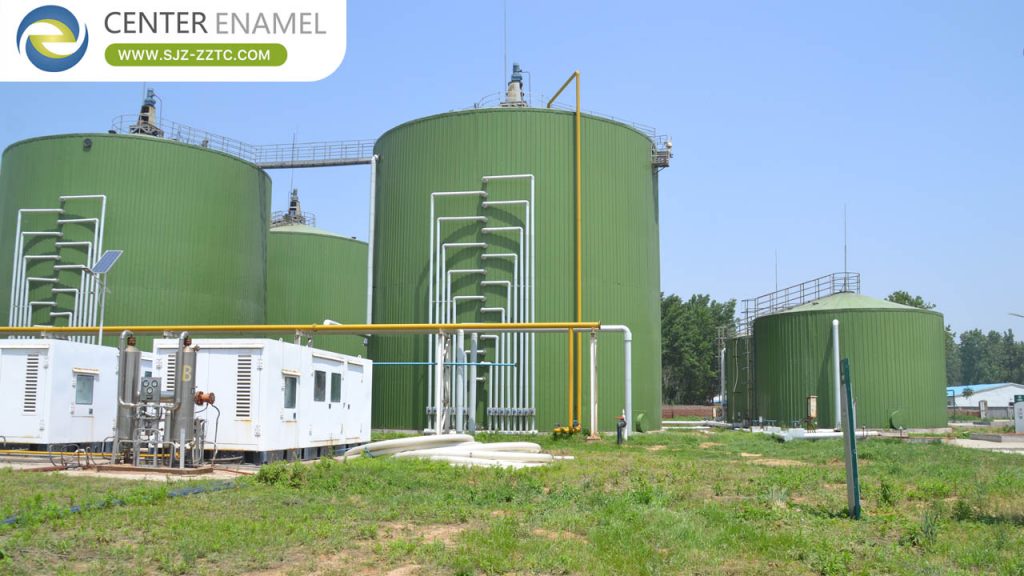
What Qualifies Biogas as Certified Green Energy?
Green energy by biogas projects qualifies for certification when the methane is produced from verified organic feedstocks—livestock manure, food waste, crop residues, municipal sludge, or landfill gas—and delivered with full chain-of-custody documentation from feedstock receipt through gas upgrading, injection point, and end use. Certification bodies audit three core elements: feedstock sustainability (no land-use change, methane capture evidence), GHG emission savings versus the fossil comparator (typically a minimum 50-70% reduction under EU RED II/III), and mass-balance traceability along the supply chain.
How Biogas Green Energy Attributes Are Monetized
A single biomethane molecule can generate revenue from up to four stacked streams: the energy itself, the environmental attribute certificate, carbon credits from avoided methane emissions, and digestion byproducts (digestate fertilizer). Understanding the stacking rules in each jurisdiction is essential, because double counting between certificate schemes and carbon markets is prohibited.
1. Renewable Gas Certificates: In Europe, Guarantees of Origin (GOs) trade at EUR 1-5 per MWh for biomethane; in the United States, RINs under the Renewable Fuel Standard have historically added $10-60+ per MMBtu of value depending on D3/D5 category and market conditions.
2. Corporate Offtake Contracts: Companies with gas-fired operations sign 5-15 year biomethane PPAs at 10-30% premiums to fossil gas, valuing audit-ready Scope 1 decarbonization over cost savings.
3. Carbon Credits: Capturing manure or landfill methane generates high-integrity avoidance credits (e.g., Gold Standard, Verra VMR0006) trading at $8-30 per tonne CO2-equivalent.
4. Policy Incentives: Production tax credits, feed-in tariffs, and mandates such as the EU RED III transport targets and India's SATAT CBG program anchor baseline project revenue.
Comparative Data Table: Green Energy Attribute Markets by Technology
| Attribute / Metric | Biogas-Biomethane | Solar PV Certificates | Wind Certificates | Green Hydrogen (early) |
| Fossil fuel displaced | Natural gas (direct) | Grid electricity | Grid electricity | Multiple sectors |
| Sector coverage | Heat, power, transport, industry | Electricity only | Electricity only | Emerging |
| Certificate price range (per MWh) | $5-60 (market dependent) | $1-8 | $1-6 | Not yet liquid |
| Typical offtake term | 5-15 years | 5-20 years | 5-20 years | Pilot stage |
| Dispatchability of underlying energy | High (stored gas) | None | None | N/A |
Building a Certifiable Biogas Green Energy Project
Project developers targeting certificate revenue must design for auditability from day one. Practical requirements include calibrated feedstock weighing and characterization records, continuous gas flow and methane-content metering at the upgrading outlet, certificate registry accounts, and third-party verification contracts. Projects that skip this instrumentation face retroactive certificate ineligibility—turning a compliance detail into a permanent revenue loss.
Frequently Asked Questions (FAQ)
Q1: Can a biogas project sell both renewable energy certificates and carbon credits?
A: Only if the claims are separated by contract and registry rules. Selling a renewable gas certificate transfers the emissions-reduction claim to the buyer, so the project cannot also issue carbon credits for the same molecule of methane. However, certificates for the energy attribute and credits for pre-conversion methane avoidance (for example, manure methane captured before digestion) can sometimes coexist under specific methodologies.
Q2: How much more is green gas worth than fossil natural gas?
A: Depending on market and contract structure, certified biomethane commands premiums of 10-50% over fossil gas in corporate PPAs, and materially more in transport fuel markets where RINs or national mandates apply. In incentive-driven markets like California's LCFS, the combined value of biomethane used as vehicle fuel has reached 2-4 times the residential gas price.
Q3: Which certification scheme should a biogas exporter or developer target first?
A: Match the scheme to your market. ISCC EU and REDcert dominate European grid injection and transport; Green-e and the RFS RIN system govern North America; ISCC PLUS serves global voluntary corporate claims. Projects in Asia supplying Japan or Korea's growing biomethane import demand typically pursue ISCC EU or local schemes recognized under those countries' procurement rules.
Q4: Do certificates apply to electricity from biogas CHP, or only biomethane?
A: Both. Electricity generated from biogas in a CHP engine earns renewable electricity certificates (such as RECs in North America or GOs in Europe) exactly like solar and wind, while the upgraded-gas pathway earns renewable gas certificates. Projects should model both pathways because the optimal choice depends on local certificate prices, grid access, and heat demand.