
Harnessing Biogas Energy Technology: Transforming Food Waste into Biogas for Cooking and Hot Water
In the modern landscape of urban sustainability and industrial efficiency, the management of organic discards has transitioned from a logistical challenge into a strategic opportunity for energy independence. As global energy prices fluctuate and environmental mandates for waste diversion intensify, the ability to reclaim value from the circular economy has become a hallmark of forward-thinking organizations. Central to this movement is the advancement of Biogas Energy Technology, a proven biological process that facilitates the conversion of Food Waste into Biogas. By capturing the latent chemical energy in kitchen scraps and organic processing residues, facilities can generate a clean, renewable fuel source suitable for high-demand applications such as industrial cooking and the generation of hot water.
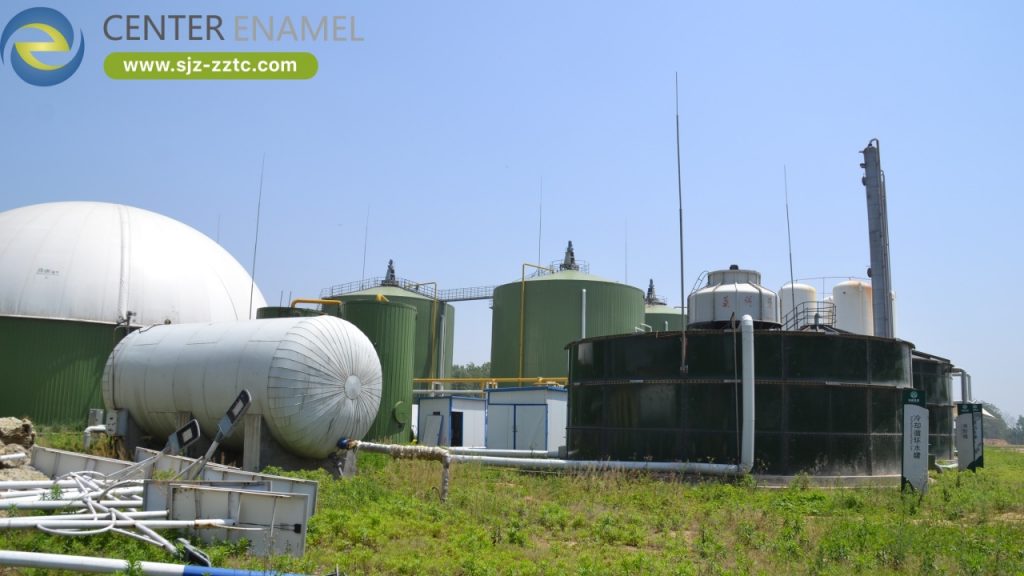
Shijiazhuang Zhengzhong Technology Co., Ltd, operating under the world-renowned brand Center Enamel, stands as a global leader in providing the specialized engineering infrastructure necessary for this transition. With decades of innovation and a project footprint extending to more than one hundred countries, we provide the turnkey containment and processing solutions that make high-efficiency biological recovery a reality. Our expertise lies in the integration of Glass-Fused-to-Steel technology, high-performance Epoxy Coated Tanks, and advanced gas management systems, creating a cohesive platform designed to maximize the reliability and thermal output of energy recovery projects.
Technical Foundations: The Science of Energy Recovery
To successfully utilize Biogas Energy Technology, it is essential to understand the biological transformation that occurs within a controlled anaerobic environment. Converting Food Waste into Biogas involves a sophisticated microbial sequence that stabilizes organic matter while releasing methane.
1. The Anaerobic Digestion Process
The process occurs in four distinct stages: hydrolysis, acidogenesis, acetogenesis, and methanogenesis. During these stages, complex organic polymers—such as the carbohydrates, proteins, and fats found in food waste—are broken down by specialized bacteria. In the final stage, methanogenic microorganisms produce biogas, which typically consists of methane and carbon dioxide.
2. Feedstock Characteristics and Thermal Potential
Food waste is an exceptionally high-energy feedstock due to its high moisture content and rich organic load. This makes it ideal for rapid gas production. When properly processed, the resulting biogas has a high calorific value, making it a perfect substitute for traditional fossil fuels in thermal applications. Using this gas for cooking and hot water systems significantly reduces the carbon footprint of commercial kitchens and residential complexes.
Core Infrastructure: GFS and Epoxy Coated Tank Solutions
A successful project designed to turn Food Waste into Biogas requires containment infrastructure that can handle the aggressive nature of decomposing organic matter and the mechanical demands of continuous industrial operation.
1. Glass-Fused-to-Steel (GFS) Technology
Our flagship GFS tanks are the global benchmark for core anaerobic reactors. By fusing high-tech glass enamel to specialized steel at high temperatures, we create a material that combines the structural strength of steel with the chemical inertness of glass. These tanks offer unparalleled resistance to the organic acids generated during the rapid fermentation of food waste. Their modular bolted design allows for rapid site assembly, which is vital for facilities looking to meet tight construction windows in urban or industrial settings.
2. Epoxy Coated Tanks: High-Performance Industrial Storage
As a critical part of our infrastructure portfolio, Center Enamel’s Epoxy Coated Tanks provide an excellent solution for various auxiliary and storage stages within the energy project.
Advanced Coating Technology: Our epoxy tanks utilize a high-specification electrostatic powder coating process. This results in a smooth, durable finish that provides excellent resistance against a wide range of industrial chemicals and organic residues.
Versatile Application: These tanks are ideal for equalization, storage of treated liquid digestate, or as buffer tanks for process water. They offer a cost-effective yet highly durable alternative where high corrosion resistance is essential, ensuring the entire facility maintains a consistent standard of quality.
Factory-Controlled Precision: Every tank is manufactured under strict conditions to ensure consistent coating thickness and superior bond strength, providing a reliable long-term storage solution.
3. Aluminum Dome Roofs: Maintenance-Free Protection
For the storage of treated liquid digestate or process water where gas capture is not the primary requirement, Center Enamel provides specialized Aluminum Dome Roofs. These self-supporting geodesic structures are a vital component of a modern energy facility.
Corrosion Resistance: Constructed from high-strength aluminum alloy, these roofs are naturally resistant to the humid and corrosive atmosphere found in waste treatment environments.
Maintenance-Free Durability: Unlike steel covers, aluminum does not rust and requires no painting, providing a clear-span solution that eliminates the need for internal support columns.
Environmental Control: These roofs provide essential odor control and prevent rainwater from diluting the nutrient-rich digestate, ensuring the value of the organic byproducts is preserved.
Advanced Gas Management: Double Membrane Roof Systems
In any application of Biogas Energy Technology, the efficient capture and pressure regulation of the produced gas are critical for ensuring a steady supply for cooking and heating. Center Enamel’s Double Membrane Roofs are engineered as a dynamic, integrated gas management solution.
1. Dual-Layer Pressure Control
The system uses an inner membrane for gas storage and a constantly pressurized outer membrane for structural protection. This ensures that the anaerobic reactor maintains a consistent internal pressure, protecting the biological process and the tank structure from mechanical stress while ensuring 100% of the energy produced is captured for immediate use.
2. Direct Utilization for Thermal Energy
Once captured, the biogas is filtered to remove impurities and then piped directly to industrial stoves or water heaters. Because the system provides a consistent pressure, the flame quality for cooking remains stable, mirroring the performance of conventional natural gas.
Sustainability and Economic ROI for Energy Projects
Implementing Biogas Energy Technology through Center Enamel’s EPC services is a strategic economic decision for any modern facility:
Utility Cost Reduction: By producing free gas for cooking and hot water, facilities can drastically lower their monthly energy bills.
Waste Diversion Savings: The process transforms a costly waste disposal problem into a high-value asset, eliminating landfill gate fees and transport logistics.
Carbon Mitigation: Converting Food Waste into Biogas prevents methane emissions from landfills, helping organizations align with global environmental standards and sustainability goals.
Global Project Excellence: Center Enamel Project Cases
Our expertise in providing comprehensive solutions for energy recovery is proven through successful industrial installations:
Shandong Heze Biogas Project This major initiative utilized 3 units of our high-performance GFS tanks. The project successfully transforms concentrated organic residues into a stable energy stream, demonstrating the reliability of our integrated gas storage systems.
Inner Mongolia Hinggan League Bio-Natural Gas Project In a region characterized by extreme temperature fluctuations, this installation integrated 4 units of our bolted steel tanks. These vessels and their Double Membrane Roofs provide the stable environment necessary for the high-efficiency production of bio-natural gas, even under heavy environmental stress.
Jiangsu Xuzhou Biogas Project This project involved the deployment of 4 units of our advanced containment technology. It serves as a model for how professional EPC services can be used to rapidly build the essential infrastructure needed for industrial energy recovery from diverse organic waste sources.
Leading the Future of Thermal Energy
The utilization of Biogas Energy Technology to transform Food Waste into Biogas represents a transformative step toward a more sustainable and resilient urban energy landscape. By converting a daily byproduct into a renewable thermal asset, organizations can protect their local environment while securing their energy future.
At Shijiazhuang Zhengzhong Technology Co., Ltd (Center Enamel), we are dedicated to providing the innovation and engineering excellence that make these projects a success. From our premier GFS tanks and high-performance Epoxy Coated Tanks to our specialized gas management systems and Aluminum Dome Roofs, we offer a total containment solution designed for the future of industrial sustainability. Our commitment to quality and modular efficiency ensures that every project we undertake is built to perform and engineered to last.