
Hoggery Wastewater: Sources, Pollutants And Why It Is Hard To Treat
Hoggery wastewater is the manure-in-water stream produced wherever pigs are housed and flushed or washed. It is hard to treat because it concentrates three problems at once - a very high organic load (COD/BOD), high ammonia from urea, and fine suspended solids from manure - plus sulfide and pathogens. The volume and strength both scale with herd size and the collection method, so a pig farm is a large, concentrated point source that needs a designed train, not a generic septic or lagoon.
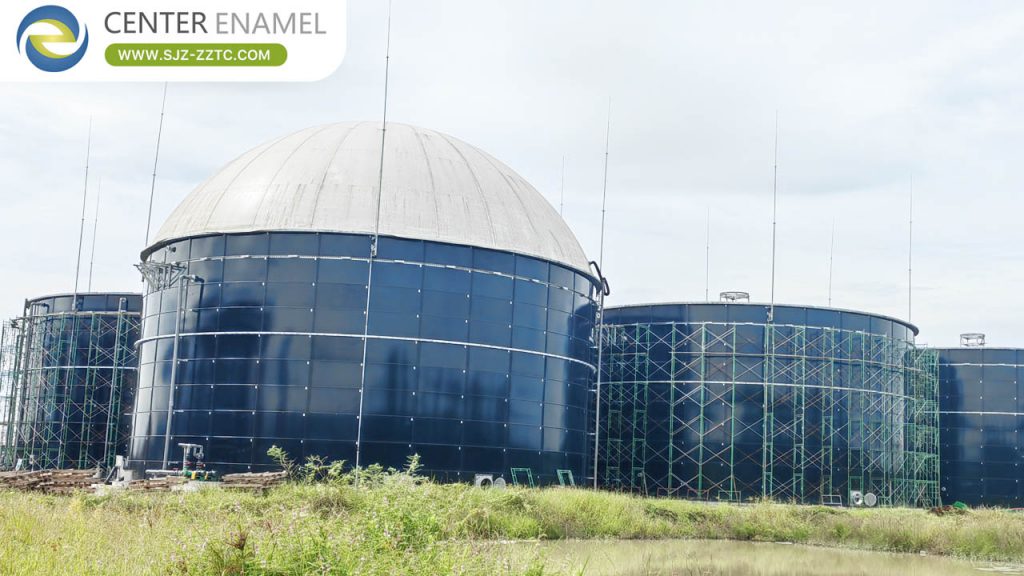
Where Hoggery Wastewater Comes From
Pigs are usually raised on slatted floors above a pit or on a flush system. Manure drops into the pit, where it partially ferments and releases ammonia and sulfide, then water from washing moves it to a collection tank. Solid-scrape operations send less water and produce a thicker slurry, while flush operations dilute the manure into a high-volume liquid. That collection choice is the first thing that sets both the volume and the concentration a treatment plant must handle.
| Source on farm | Stream | Note |
| Pit under slats | Manure + urine | Ferments; releases NH3/H2S |
| Flush / wash water | Diluted liquid | High volume, lower strength |
| Solid scrape | Thick slurry | Lower volume, higher solids |
| Rain on open lots | Contaminated runoff | Seasonal spike |
The Pollutants That Matter
The organic load (COD and BOD5) is the largest engineering driver and the main biogas source. Ammonia-N is both a nutrient problem and, at high levels, an inhibitor of the anaerobic microbes. Suspended solids blind filters and overload digesters if not separated first, and phosphorus must be removed or it drives eutrophication downstream. Pathogens and odor round out the list. The ranges below are typical industry guidance for flush-collected pig wastewater - not measured values from any single named project.
| Pollutant | Typical range (flush-collected) | Role |
| COD | 8,000-20,000 mg/L | Largest driver + biogas |
| BOD5 | 5,000-12,000 mg/L | Biodegradable fraction |
| Ammonia-N | 800-2,000 mg/L | Inhibits at high level |
| Total P | 100-400 mg/L | Eutrophication risk |
| Suspended solids | 1-8% (water-submerged) | Decides pretreatment |
Why It Is Hard To Treat
Three traits stack up. First, the high ammonia and sulfide are corrosive and, if unbalanced, suppress the biology. Second, the solids load rules out simple reactors and demands solid-liquid separation or a solids-tolerant digester. Third, the strength means a small farm still needs real volume, and a large farm needs industrial-scale equalization. A dairy or poultry stream differs in solids and nitrogen profile, so pig wastewater is planned on its own numbers, not borrowed from another species.
Regulatory And Reuse Context
Most jurisdictions set discharge limits on COD, ammonia-N, total phosphorus, suspended solids, and faecal coliforms; some also require nutrient management plans because the nitrogen and phosphorus are plant nutrients, not just pollutants. Where discharge is restricted, farms move toward on-site reuse - irrigation of cropped land under a spreading plan, or digestion that recovers the energy and leaves a fertilizer-grade digestate. The limit a permit sets is the real design target for the train described in the companion articles.
About Company
Shijiazhuang Zhengzhong Technology Co., Ltd (Center Enamel) is a comprehensive high-tech enterprise specializing in wastewater engineering, process section contracting, and equipment manufacturing. The company delivers biogas and wastewater projects through three main lines - EPC (turnkey) contracting, equipment supply, and process packages - covering livestock and municipal wastewater, biomass energy, industrial wastewater, and food waste. Its reactor portfolio spans CSTR, USR, UBF, UASB, IC, and EGSB, backed by in-house Glass-Fused-to-Steel tank manufacturing (enamel firing at 820-930 C) and certifications including ISO 9001, NSF/ANSI 61, and CE-EN 1090. With 35+ years of operation, a 150,000 m2 manufacturing base, and projects in 100+ countries, Center Enamel provides the single-responsibility engineering behind livestock wastewater projects across pig, dairy and poultry farms, where the first step in every scope is a correct read of the farm's volume, concentration and discharge limit - the problem this article frames before any train is selected.
Conclusion
Hoggery wastewater is a concentrated, high-ammonia, high-solids stream whose volume and strength both depend on how the farm collects manure; it is a designed-treatment problem, and the discharge limit is the target the treatment train must meet.
Frequently Asked Questions
Q1: What is hoggery wastewater? A1: The manure-in-water stream from pig housing - urine, feces, wash water, and pit liquor combined.
Q2: How is pig farm wastewater generated? A2: Manure drops into a pit and is moved by flush or scrape; wash water dilutes it into a high-volume liquid.
Q3: Why is pig wastewater an environmental risk? A3: High COD, ammonia, phosphorus, pathogens and odor can cause eutrophication and groundwater risk if released untreated.
Q4: What regulations govern hoggery wastewater discharge? A4: Limits on COD, ammonia-N, TP, SS and faecal coliforms, often with a nutrient-management plan.
Q5: How much wastewater does a pig farm produce per head? A5: It varies with collection method; design uses the farm's measured flow and concentration, not a fixed per-head figure.
Q6: Can pig wastewater be reused instead of discharged? A6: Yes - land application under a plan, or anaerobic digestion that recovers energy and a fertilizer-grade digestate.
Q7: How does hoggery wastewater differ from dairy or poultry? A7: By solids and nitrogen profile; pig streams are planned on their own numbers.
Q8: What is the first step in managing hoggery wastewater? A8: Measure daily volume and concentration, then set the discharge or reuse target before selecting a train.
Suggested CTA
Measure your pig farm's daily volume, concentration and discharge limit, then read the companion articles on the anaerobic-aerobic train and system selection.