
How a Wastewater Evaporator Works? A Complete Guide to the Evaporation Process
Industrial wastewater often contains dissolved salts, heavy metals, chemicals, oils, and other contaminants that are difficult to remove through conventional treatment methods. For industries dealing with high-salinity or highly concentrated wastewater, a wastewater evaporator offers an effective solution for reducing liquid waste volume and recovering cleaner water.
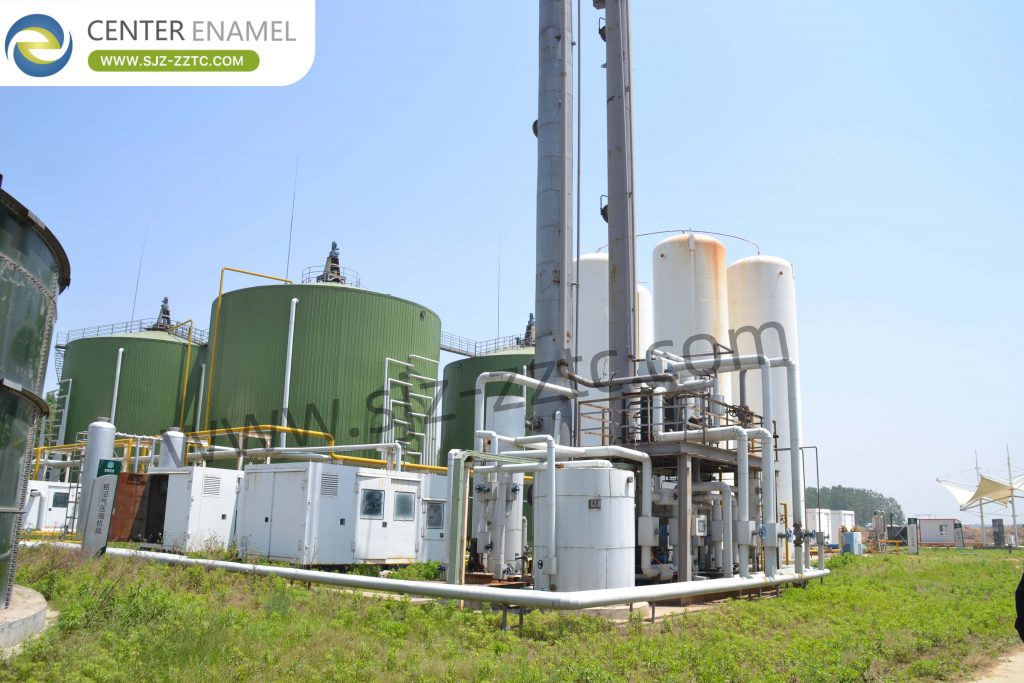
But how does a wastewater evaporator work? What happens to the contaminants during evaporation, and why is this technology important in industrial wastewater treatment?
This guide explains the working principle of wastewater evaporators, their main components, treatment process, and industrial applications.
What Is a Wastewater Evaporator?
A wastewater evaporator is an industrial treatment system that uses heat and evaporation to separate water from dissolved or suspended contaminants.
The basic principle is simple: wastewater is heated until the water evaporates, while most non-volatile substances remain in the liquid and become increasingly concentrated.
The resulting vapor can be condensed into liquid water, while the remaining concentrated wastewater is collected for further treatment, recovery, or disposal.
Unlike conventional filtration systems, which rely on physical barriers, evaporation uses a phase-change process to separate water from contaminants.
How Does a Wastewater Evaporator Work?
A wastewater evaporator works by heating wastewater to produce water vapor, separating the vapor from concentrated contaminants, and then condensing it into reusable water.
The process generally involves five main steps:
Step 1: Wastewater Collection and Pretreatment
Industrial wastewater enters a collection tank before being transferred to the evaporator. Depending on its composition, pretreatment may include filtration, oil separation, pH adjustment, or chemical treatment.
These processes help prevent scaling, foaming, and equipment damage.
Step 2: Heating the Wastewater
The pretreated wastewater enters a heating chamber, where thermal energy raises its temperature. Once the water reaches its boiling point under the operating pressure, evaporation begins.
Some systems operate under vacuum conditions, allowing water to evaporate at lower temperatures and reducing energy consumption.
Step 3: Water Evaporation
As the wastewater continues to receive heat, water changes from its liquid state into vapor.
Most non-volatile contaminants, including dissolved salts and many heavy metals, remain in the liquid phase. As more water evaporates, the concentration of these substances increases.
Step 4: Vapor Separation and Condensation
The generated vapor passes through a vapor separation system to remove entrained droplets and minimize contaminant carryover.
It then enters a condenser, where cooling transfers heat away from the vapor, turning it back into liquid water.
The collected condensate may be suitable for reuse, depending on its quality and the treatment requirements.
Step 5: Concentrate Collection and Discharge
The remaining concentrated wastewater is discharged from the evaporator for further processing, crystallization, recovery, or regulated disposal.
This significantly reduces the original wastewater volume.
Main Components of a Wastewater Evaporator
A wastewater evaporator consists of several interconnected components that work together to achieve efficient separation.
| Component | Main Function |
| Feed tank | Stores incoming industrial wastewater |
| Heating system | Supplies thermal energy for evaporation |
| Evaporation chamber | Provides space for water vapor generation |
| Vacuum system | Reduces operating pressure and boiling temperature |
| Vapor separator | Prevents liquid droplets from entering the vapor stream |
| Condenser | Converts water vapor into liquid condensate |
| Concentrate tank | Collects concentrated wastewater |
| Control system | Monitors temperature, pressure, and operating conditions |
The exact configuration varies depending on the evaporator type, wastewater characteristics, and required treatment capacity.
Different Types of Wastewater Evaporators
Not all industrial wastewater evaporators use the same technology. Different systems are designed to meet specific operating conditions and energy requirements.
Vacuum Evaporators
Vacuum evaporators reduce the pressure inside the evaporation chamber, allowing wastewater to boil at lower temperatures.
They are particularly useful for heat-sensitive wastewater and applications where lower operating temperatures can help reduce energy consumption.
Mechanical Vapor Recompression (MVR) Evaporators
MVR evaporators compress the generated water vapor to increase its temperature and pressure. The compressed vapor is then reused as a heat source for further evaporation.
This heat-recovery process can significantly reduce external energy requirements compared with conventional evaporation systems.
Multi-Effect Evaporators
Multi-effect evaporators use several evaporation stages, known as effects. Vapor generated in one stage provides heating energy for the next stage, improving overall thermal efficiency.
They are commonly used in large-scale industrial wastewater treatment facilities.
Heat Pump Evaporators
Heat pump evaporators use a refrigeration cycle to transfer and reuse thermal energy. They typically operate at relatively low temperatures and can be suitable for smaller industrial wastewater treatment applications.
What Role Does Evaporation Play in Industrial Wastewater Treatment?
A wastewater evaporator plays an important role in treating industrial wastewater, especially when conventional treatment methods are insufficient.
Its main functions include:
Reducing wastewater volume: Evaporation removes a large proportion of the water, making the remaining waste easier and less expensive to manage.
Concentrating pollutants: Dissolved salts and other non-volatile substances become concentrated in a smaller liquid volume.
Recovering reusable water: Condensed vapor can provide a source of process water after appropriate quality testing and additional treatment if necessary.
Supporting Zero Liquid Discharge (ZLD): Evaporators can be integrated with crystallizers and other treatment equipment to minimize or eliminate liquid wastewater discharge.
Improving waste management: Concentrating wastewater can simplify downstream treatment, resource recovery, and disposal.
It is important to understand that evaporation does not destroy contaminants. Instead, it separates water from the concentrated waste stream.
What Types of Wastewater Can Be Treated by Evaporators?
Wastewater evaporators are used in industries that generate wastewater with high concentrations of dissolved solids, chemicals, or other difficult-to-remove substances.
Common applications include:
| Industry | Typical Wastewater Characteristics |
| Chemical manufacturing | High chemical content and dissolved solids |
| Metal processing | Heavy metals, acids, and alkaline wastewater |
| Electronics manufacturing | High-purity process waste and dissolved salts |
| Pharmaceutical production | Organic compounds and process chemicals |
| Food and beverage | High organic loads and dissolved solids |
| Landfill leachate treatment | Complex mixtures of salts and organic pollutants |
However, not every wastewater stream is suitable for direct evaporation. Pretreatment and laboratory analysis are often necessary to determine the appropriate system configuration.
Advantages of Using a Wastewater Evaporator
Wastewater evaporation offers several advantages for industrial facilities.
High Concentration Capability
Evaporators can significantly concentrate wastewater containing dissolved salts and other non-volatile substances, reducing the amount of liquid requiring further treatment.
Water Recovery and Reuse
The condensate produced during evaporation can potentially be reused in industrial processes, reducing freshwater consumption.
Reduced Waste Disposal Costs
By decreasing wastewater volume, evaporation can reduce transportation, storage, and disposal requirements.
Support for Environmental Compliance
When properly designed and integrated into a treatment system, evaporators can help industrial facilities meet wastewater discharge requirements and support ZLD strategies.
Flexible Industrial Applications
Different evaporation technologies can be selected according to wastewater composition, treatment capacity, energy availability, and operating conditions.
Factors to Consider When Choosing a Wastewater Evaporator
Selecting the right wastewater evaporator requires more than simply calculating daily wastewater volume.
Several factors should be evaluated before choosing a system:
Wastewater composition: Salt concentration, organic matter, heavy metals, and chemical characteristics influence equipment selection.
Treatment capacity: The evaporator should match the facility's wastewater production and expected operating conditions.
Energy consumption: Heating requirements and heat recovery technologies directly affect operating costs.
Scaling and corrosion: High salt concentrations and aggressive chemicals may require specialized materials and regular cleaning.
Water recovery requirements: The desired condensate quality determines whether additional treatment is necessary.
Operating and maintenance costs: Equipment reliability, cleaning frequency, and maintenance requirements should be considered.
A wastewater analysis and evaporation test can help determine whether a specific technology is suitable for the application.
Wastewater Evaporation and Zero Liquid Discharge (ZLD)
Zero Liquid Discharge is an advanced wastewater management approach designed to eliminate liquid wastewater discharge from an industrial facility.
A wastewater evaporator is often a key component of a ZLD system.
In a typical ZLD process, wastewater first undergoes pretreatment and sometimes membrane filtration. The concentrated brine then enters an evaporator, where additional water is recovered through evaporation and condensation.
The remaining concentrated solution may be sent to a crystallizer to produce solid salts for recovery or disposal.
By combining evaporation with other treatment technologies, industrial facilities can maximize water recovery and minimize liquid waste generation.
Conclusion
Understanding how a wastewater evaporator works helps explain why evaporation has become an important technology in industrial wastewater treatment. By using heat to separate water from contaminants, evaporators reduce wastewater volume, concentrate pollutants, and create opportunities for water recovery and reuse.
From vacuum evaporation to MVR and multi-effect systems, different technologies offer solutions for different industrial wastewater challenges.
For facilities handling high-salinity wastewater, complex industrial effluents, or pursuing Zero Liquid Discharge, a properly designed wastewater evaporation system can be an effective part of a comprehensive water treatment strategy.
Frequently Asked Questions (FAQs)
1. How does a wastewater evaporator remove contaminants?
A wastewater evaporator removes water through heating and evaporation. Most non-volatile contaminants, such as dissolved salts and many heavy metals, remain in the liquid concentrate, while the generated vapor is condensed into water. Volatile substances may require additional treatment.
2. Is the water recovered from a wastewater evaporator safe to reuse?
Recovered condensate can often be reused in industrial processes, but its quality depends on the wastewater composition and evaporator design. Testing and additional treatment may be necessary before reuse, especially when volatile contaminants are present.
3. What is the difference between a wastewater evaporator and a conventional wastewater treatment system?
Conventional wastewater treatment systems commonly use biological, chemical, or membrane processes to remove specific pollutants. A wastewater evaporator uses heat to separate water from concentrated contaminants. It is particularly useful for high-salinity and difficult-to-treat wastewater and is often combined with other treatment technologies.