
How Biogas Reduces Electricity Costs in Poultry Farms: A Strategic Energy Solution
Poultry farming is an energy-intensive industry. Maintaining optimal climatic conditions through continuous ventilation, lighting, and heating is essential for bird health and productivity, yet these requirements often result in exorbitant monthly utility bills. For large-scale operations, grid reliance is a major operational liability.
Integrating poultry biogas systems—specifically designed for anaerobic digestion (AD)—offers a proven strategy to mitigate these expenses. By converting daily organic waste into reliable power, farms can transition from being energy consumers to self-sufficient energy producers.
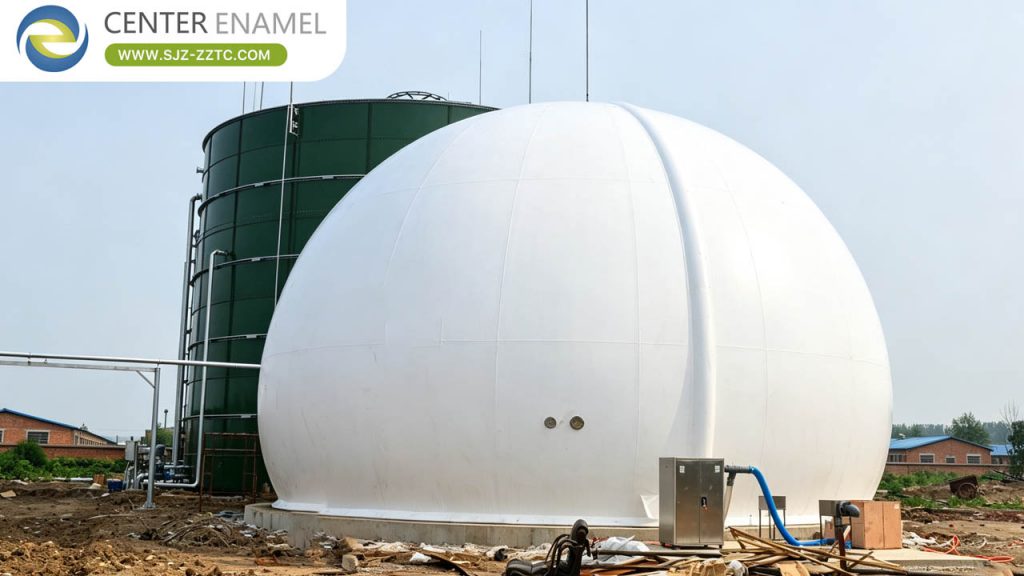
The Mechanism of Energy Generation
Poultry farms generate massive amounts of manure, feathers, and spilled feed. When processed through an on-site anaerobic digester, this organic "waste" undergoes microbial decomposition in the absence of oxygen.
- Anaerobic Digestion: Microbes break down the manure, producing raw biogas (methane and carbon dioxide).
- Combined Heat and Power (CHP): The captured biogas is fed into a CHP engine (also known as a cogeneration unit).
- Energy Conversion: The CHP unit simultaneously produces electricity for farm operations and captures waste heat for water or space heating (brooder heating).
Strategies for Reducing Electricity Costs
1. Self-Consumption and Grid Substitution
The most direct reduction in electricity costs comes from replacing grid power with self-generated power. By powering ventilation fans, automated feeding systems, and lighting directly from biogas-generated electricity, farms significantly lower their monthly electricity bills and reduce dependency on external utilities.
2. Thermal Energy Displacement
Modern poultry farms often pay for grid electricity or expensive LPG to run brooder heaters and space heating units. A biogas-fueled CHP system provides free thermal energy as a byproduct of electrical generation. Using this heat to maintain farm temperatures effectively eliminates the need for electric or fuel-based heating.
3. Elimination of Waste Management Expenses
Traditional waste management involves labor-intensive collection, storage, and transport of litter. Biogas systems consolidate this process, effectively eliminating tipping fees and hauling costs, which are indirect "energy-adjacent" expenses that impact the bottom line.
Comparative Analysis: Traditional Grid Reliance vs. Biogas Integration
| Operational Metric | Grid-Dependent Poultry Farm | Biogas-Integrated Farm |
| Electricity Source | 100% External Grid (High Tariff) | Self-Generated (Low Marginal Cost) |
| Heat Source | Electric Heaters / LPG (Costly) | Recovered Thermal Energy (Free Byproduct) |
| Waste Disposal | Expensive Hauling / Landfill Fees | Zero-Cost In-Situ Processing |
| Carbon Footprint | High (Scope 2 Emissions) | Neutral / Low (Fugitive Methane Destruction) |
Frequently Asked Questions (FAQ)
Q1: How much of the farm’s total electricity bill can a biogas system offset?
A: Depending on the scale of the farm, bird density, and manure availability, a well-optimized biogas plant can offset between 40% to 80% of a farm’s total electricity and thermal energy requirements.
Q2: Is it difficult to operate a biogas plant on a busy poultry farm?
A: While they require technical oversight, modern poultry biogas plants are increasingly automated. Programmable Logic Controllers (PLCs) monitor gas production, temperature, and feeding rates, reducing the need for constant manual intervention.
Q3: Can chicken manure power a farm alone, or does it need other materials?
A: While chicken manure is a high-energy feedstock, it can cause ammonia toxicity if used alone in high concentrations. Most successful poultry farms utilize co-digestion—blending manure with agricultural crop residues or food waste—to maintain a balanced Carbon-to-Nitrogen ratio, which ensures stable electricity output.