
How Can Anaerobic Digestion and Chemical Wastewater Treatment Solve the “Three Highs” of Industrial Effluent?
Industrial wastewater treatment is rarely a simple proposition. Operators across the chemical, pharmaceutical, and new energy sectors face a persistent triad of challenges: high difficulty, high cost, and high energy consumption. These industries generate complex effluents laden with characteristic pollutants that conventional processes struggle to remove effectively.
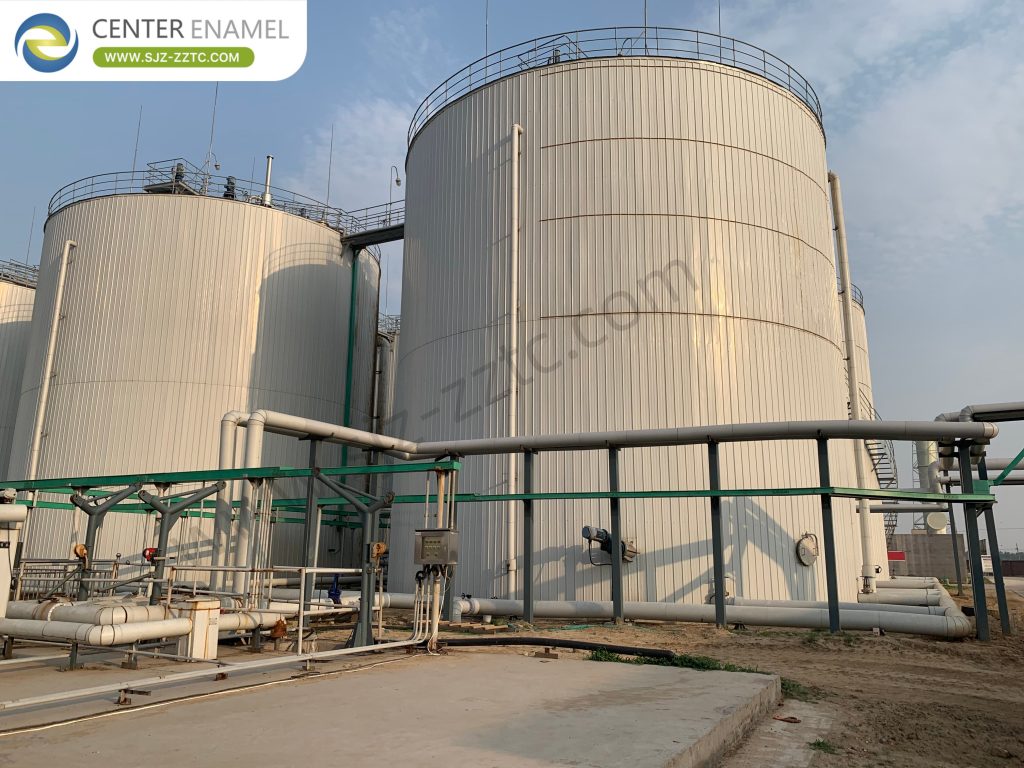
While Chinese manufacturers have secured price advantages in mid-to low-end equipment, the pressure to meet increasingly stringent emission standards-alongside new demands for digitalization and low-carbon transformation-continues to reshape operational priorities. Addressing these pressures requires a dual focus: robust anaerobic digestion for resource recovery and specialized chemical wastewater treatment for toxicity management.
What Makes Chemical Wastewater Treatment So Critical for Ecological Safety?
Among all industrial effluent types, chemical wastewater carries the highest environmental toxicity and ecological risk. Its acute toxicity, chronic toxicity, and environmental persistence demand treatment strategies that go far beyond simple organic removal. Toxic organics such as benzene series, phenols, cyanides, and halogenated hydrocarbons exert strong inhibitory and lethal effects on aquatic organisms and microbial communities-even trace discharges can cause irreversible ecosystem damage. Phenols and cyanides are directly lethal to aquatic life, while halogenated hydrocarbons and polycyclic aromatic hydrocarbons persist as biorefractory pollutants with bioaccumulation and carcinogenic risks. High-salinity discharges trigger soil salinization and groundwater mineralization, damaging soil-water ecosystems. Heavy metal ions accumulate in sediments and magnify through the food chain. Some chemical streams contain endocrine disruptors that interfere with aquatic reproduction at trace levels. Effective chemical wastewater treatment must therefore integrate toxicity mitigation with organic degradation.
Why Does Anaerobic Digestion Outperform Traditional Approaches for High-Strength Effluent?
For high-concentration organic streams, anaerobic digestion offers compelling advantages over conventional aerobic or anaerobic alternatives. The IC (Internal Circulation) process represents a top-tier configuration: its footprint is only one-third that of traditional anaerobic systems for equivalent treatment capacity-a significant compactness advantage for space-constrained facilities. The built-in gas-lift internal circulation eliminates the need for external recirculation equipment, achieving autonomous forced mixing of sludge and water. This strong hydraulic mixing ensures thorough contact between microbes and pollutants, greatly improving degradation efficiency while withstanding high water quality and hydraulic shock loads. The dual-zone configuration combines high-efficiency degradation with deep polishing for stable effluent quality. Sludge granulation is high, activity is strong, and washout is minimal. Automation levels are high, operation is stable, failure rates are low, and biogas production is substantial-delivering outstanding resource recovery benefits. Long-term energy and O&M costs remain far lower than traditional anaerobic processes, making anaerobic digestion particularly suitable for large-flow, high-concentration industrial wastewater.
| Parameter | IC Process | Traditional Anaerobic Process |
| Footprint (same capacity) | 1/3 of traditional | Baseline |
| External recirculation | Not required (gas-lift internal) | Typically required |
| Shock load tolerance | High | Moderate |
| Sludge washout | Very low | Higher risk |
| Biogas recovery | High yield | Moderate |
| Long-term O&M cost | Significantly lower | Higher |
How Do GFS Tanks and Ancillary Systems Support Brewery Wastewater Projects?
A representative anaerobic digestion application is the South Africa Brewery High-Strength Wastewater Treatment Project, which features both Center Enamel GFS tanks and stainless steel tanks as core equipment. GFS tanks serve as the primary anaerobic digestion system, suited to brewery wastewater’s high-COD, high-sugar, readily decomposable characteristics for efficient organic pollutant degradation. Stainless steel tanks handle wastewater transfer and chemical storage supporting processes. The complete equipment package offers excellent corrosion resistance and flexible assembly, providing long-term stable treatment of brewery production and cleaning wastewater-solving local brewing industry pollution challenges. This mature brewery wastewater case demonstrates how anaerobic digestion adapts to the specific demands of high-strength food processing effluent in African conditions.
| Equipment Type | Role in Treatment Train | Key Feature |
| GFS Tanks | Primary anaerobic digestion | High corrosion resistance, biogas recovery |
| Stainless Steel Tanks | Wastewater transfer & chemical storage | Flexible assembly, durability |
| Complete Package | Brewery production & cleaning effluent | Long-term stable treatment |
What Quality Controls Ensure Reliable Performance Across Global Projects?
Demonstrating high-standard installation quality through long-term stable global project performance, Center Enamel has established full-chain quality control standards across four dimensions: factory protection, on-site assembly construction, completion inspection, and long-term warranty-ensuring quality control for every GFS tank. At the factory stage, all enameled panels, seals, and structural components receive rust-proof and moisture-proof independent packaging with dedicated protective supports-preventing damage during sea and land transport and avoiding enamel coating damage. On-site construction strictly follows unified assembly process specifications-panel-by-panel tightening and leak testing in layers, with air-tightness and verticality testing after each tank section completion-and dual-membrane covers and anaerobic piping undergo simultaneous pressure testing and acceptance.
The installation team brings practical experience from over 10,000 GFS tank projects globally, strictly following standardized construction procedures with full control over project mobilization, civil coordination, tank assembly, piping, and commissioning schedules and quality. The team is proficient in complete standardized installation processes for GFS tanks, dual-membrane gas storage covers, USR/CSTR/IC anaerobic reactors, and biogas desulfurization/piping systems-adaptable to large-scale farms, industrial parks, remote mountainous sites, coastal high-corrosion sites, and other complex locations. For large overseas cross-border projects, the team can be deployed as complete units for on-site construction, technical training, and local worker practical instruction.
What Role Does the Aluminum Geodesic Dome Roof Play in Wastewater and Biogas Systems?
The Aluminum Geodesic Dome Roof independently developed by Center Enamel is manufactured using high-strength aluminum alloy plates through integral stamping. Its triangular grid spherical self-supporting structure enables large-span full coverage without internal support columns. Made of aluminum alloy, the roof offers excellent weather and corrosion resistance, capable of long-term protection against acid rain, salt spray, and UV radiation. The structural design complies with international AWWA D108 standards, with aluminum plate thickness, rib cross-sections, and joint connections verified by finite element stress analysis, ensuring wind and snow load resistance across different global regions. The roof weighs only one-third to one-half of a steel roof with the same span, significantly reducing the load on the tank top and allowing direct installation without tank wall reinforcement. Its double sealing between panels-using specialized sealant strips and mechanical interlocking-enables both airtight gas storage and enclosed odor control, suitable for biogas collection, wastewater tank odor control, and drinking water contamination prevention. The support-column-free design does not interfere with mixers, water distributors, or other internal equipment. Aluminum does not support microbial growth and requires no anti-corrosion maintenance over long-term use, resulting in low total life-cycle costs.
Frequently Asked Questions
Q1: What wastewater types benefit most from anaerobic digestion?
High-strength organic streams with high moisture and volatile solids-brewery effluent, chemical plant wastewater, food processing discharges, and agricultural residues-are ideal candidates for anaerobic digestion, enabling biogas recovery while reducing organic load.
Q2: How does chemical wastewater treatment address recalcitrant toxicity?
Effective chemical wastewater treatment combines anaerobic pretreatment for organic load reduction with advanced oxidation or specialized polishing stages to break down recalcitrant compounds like phenols, cyanides, and halogenated hydrocarbons.
Q3: Why choose GFS tanks for anaerobic digestion systems?
Glass-fused-to-steel tanks offer exceptional corrosion resistance against organic acids and hydrogen sulfide, rapid bolted assembly, and long service life-making them a reliable containment solution for anaerobic digestion and chemical wastewater treatment applications.
Ready to discuss your industrial wastewater project? Contact Center Enamel today to explore how our anaerobic digestion and chemical wastewater treatment solutions can be tailored to your site’s specific challenges. Our engineering team is available to review your effluent profile and recommend a configuration that balances performance, footprint, and life-cycle cost.