
How Can Biogas Be Produced from Sludge? A Comprehensive Technical Guide
Biogas production from sludge represents one of the most promising pathways for transforming wastewater treatment plants from energy consumers into energy producers. Globally, the shift toward resource recovery facilities has driven innovation in anaerobic digestion technologies capable of converting sewage sludge-historically viewed as a waste disposal problem-into a valuable renewable energy source . The fundamental question is straightforward: how can biogas be produced from sludge? The answer lies in anaerobic digestion, a biological process where microorganisms break down organic matter in sludge to generate biogas composed primarily of methane (CH₄) and carbon dioxide (CO₂). This guide provides a comprehensive technical overview of the sludge-to-biogas process, covering feedstock characteristics, pretreatment methods, digestion technologies, yields, and energy recovery potential.
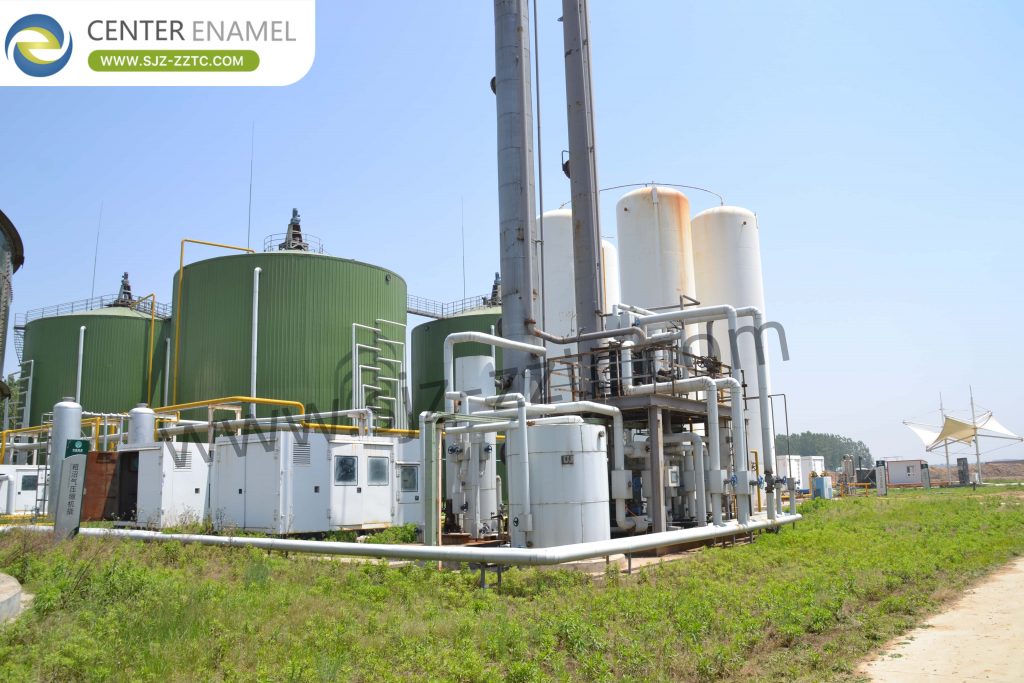
What Types of Sludge Can Be Used for Biogas Production?
| Sludge Type | Source | Typical Methane Yield |
| Primary Sludge (PS) | Primary clarifiers | 240–330 mL CH₄/g VS |
| Waste Activated Sludge (WAS) | Secondary treatment (activated sludge) | 180–242 mL CH₄/g VS |
| Aerobic Granular Sludge (AGS) | AGS-based treatment processes | 197–296 mL CH₄/g VS |
| High-Rate Activated Sludge (HRAS) | Short SRT activated sludge | ~275 mL CH₄/g VS |
| Coagulated Organic Sludge | Chemically enhanced primary treatment | Variable, inhibited by coagulants |
Various sludge streams from municipal wastewater treatment and industrial wastewater treatment can serve as feedstocks for biogas production. The most common types include:
Research has demonstrated significant variations in biogas potential among sludge types. Waste activated sludge from conventional activated sludge (CAS) processes typically yields 242 ± 18 mL CH₄/g VS, while sludge from aerobic granular sludge (AGS) processes shows comparable or higher potential . Notably, sludge discharged during AGS selection periods exhibits a biochemical methane potential (BMP) of 296 ± 15 mL CH₄/g VS-comparable to primary sludge and substantially higher than conventional WAS .
Secondary sludge has demonstrated superior biogas production in some studies, achieving accumulated methane yields of 420–528 LN CH₄/kg ODM when processed with appropriate inoculum . This variation underscores the importance of understanding sludge characteristics before designing a digestion system.
The Anaerobic Digestion Process: How It Works
Anaerobic digestion of sludge follows a sequential biological pathway consisting of four key stages, with hydrolysis typically serving as the rate-limiting step due to the complex, particulate nature of sludge organic matter :
1. Hydrolysis: Complex organic polymers (proteins, carbohydrates, lipids) are broken down into simpler soluble compounds. For sewage sludge, the particulate organic matter must be solubilized before microorganisms can access it.
2. Acidogenesis: Hydrolysis products are converted into volatile fatty acids (VFAs), alcohols, ammonia, hydrogen, and carbon dioxide.
3. Acetogenesis: VFAs and alcohols are further oxidized to acetate, hydrogen, and CO₂ by syntrophic bacteria.
4. Methanogenesis: Methanogenic archaea convert acetate and hydrogen/CO₂ into methane-the primary energy component of biogas.
Research on EMC (enhanced membrane coagulation) sludge has shown that hydrolysis is particularly critical for sludges containing inorganic coagulants, where aluminum- or iron-based salts can inhibit anaerobic conversion by 30–40% . Overcoming this hydrolysis limitation through pretreatment is essential for maximizing biogas yields.
Temperature Regimes: Mesophilic vs. Thermophilic Digestion
Anaerobic digesters for sludge treatment are typically operated under two temperature regimes:
Mesophilic Digestion (30–40°C): The most common operational mode for sewage sludge treatment globally. Mesophilic systems are generally more stable and require less energy input, but they achieve lower pathogen reduction and may require longer retention times. Conventional mesophilic digestion produces Class B biosolids under EPA regulations, which have restricted agricultural use .
Thermophilic Digestion (50–60°C): Higher metabolic activities of thermophilic microorganisms result in increased methane production rates, allowing shorter retention times and smaller digester volumes . Thermophilic digestion also achieves greater pathogen reduction, with increasing evidence suggesting it can meet Class A biosolids standards . However, thermophilic systems require more energy input and can be less stable than mesophilic systems.
Hyper-thermophilic Prehydrolysis: Emerging research has explored a two-stage approach combining hyper-thermophilic prehydrolysis (70–80°C) with subsequent mesophilic or thermophilic methanogenesis. This configuration accelerates the rate-limiting hydrolysis step while maintaining the stability of the methanogenic stage .
Pretreatment Methods for Enhanced Biogas Production
Because sludge hydrolysis is often rate-limiting, various pretreatment methods have been developed to disrupt sludge flocs, break microbial cell walls, and increase organic matter solubility:
Thermal Pretreatment
Low-temperature thermal pretreatment (70–90°C for up to 120 minutes) has been shown to significantly enhance biogas production from waste activated sludge. At 90°C, solubilization efficiencies of 16.9–18.4% were achieved across varying total solids concentrations . Methane production increased to 0.182–0.194 m³/kg VS, with lag phases reduced to as little as 0.145 days due to accelerated hydrolysis .
Thermal hydrolysis (121–134°C, 60 minutes) combined with alkaline conditions-known as thermo-alkaline pretreatment (TAP)-has shown methane yields exceeding 300 mL/g VS in some configurations, though energy requirements must be carefully evaluated .
Alkaline Pretreatment
Adding bases such as sodium hydroxide (NaOH) or calcium hydroxide can enhance sludge hydrolysis by disrupting floc structures and releasing organic matter. For coagulated sludges containing aluminum- or iron-based salts, alkaline pretreatment is particularly effective at breaking HO-Al-P backbones, thereby mitigating the 30–40% inhibition caused by inorganic coagulants .
Chemical Pretreatment (Fenton Process)
The Fenton process uses iron (II) to catalyze hydrogen peroxide decomposition, generating hydroxyl radicals that disrupt sludge flocs and degrade bacterial cells. Studies have demonstrated a 26.8% higher reduction in volatile solids with Fenton-treated sludge and up to a 15% boost in methane generation. Two-stage digestion incorporating Fenton pretreatment produced 1.3 times more methane than single-stage systems .
Biological Pretreatment
Short-term bio-thermophilic pretreatment (BTP) has shown remarkable results in pilot-scale studies. For low-organic sludge (VS ~4%), BTP achieved a 19.93% increase in volatile solids degradation and a 53.33% increase in methane yield compared to conventional digestion . Microbial analysis revealed enrichment of hydrolytic bacteria such as Clostridiales and Coprothermobacter, which enhanced protein hydrolysis and volatile fatty acid production .
Nanobubble Water Enhancement
Emerging research has investigated nanobubble water (NBW) as a green additive to enhance anaerobic digestion. NBW prepared with air (NBWAir) increased hydrolase activity through microaerobic conditions, while NBWCO₂ promoted hydrogenotrophic methanogens. Co-digestion of kitchen waste and sludge with NBWAir+CO₂ showed synergistic effects on methane yield .
Co-digestion: Combining Sludge with Other Organic Waste
Mono-digestion of sewage sludge is often limited by low carbon-to-nitrogen (C/N) ratios, slow hydrolysis, and poor volatile solids reduction (typically 30–40%) . Co-digestion with food waste offers a promising solution by balancing C/N ratios, buffering capacity, and hydrolysis rates.
Research has shown that co-digestion at appropriate mixing ratios significantly enhances methane production. At a 1:4 volatile solids ratio of kitchen waste to sewage sludge, methane yield increased by 85.3% compared to digestion of kitchen waste alone. At a 1:1 ratio (based on dry VS), methane yield was 4.6 times higher and hydrolysis rates 3.9 times higher than sewage sludge mono-digestion .
For thermo-alkaline pretreated sludge, co-digestion with food waste offers the potential for methane yields exceeding 300 mL/g VS while maintaining process stability .
Biogas Yield and Energy Recovery Potential
Typical Methane Yields
| Sludge Type/Process | Methane Yield |
| WAS (untreated) | 180–242 mL CH₄/g VS |
| WAS (low-temperature thermal pretreatment) | 182–194 m³ CH₄/kg VS |
| AGS selection discharge sludge | 296 mL CH₄/g VS |
| HRAS sludge | ~275 mL CH₄/g VS |
| Secondary sludge (inoculated) | 420–528 L CH₄/kg ODM |
| BTP-treated low-organic sludge | 53% increase over conventional |
Biogas yields from sludge digestion depend on feedstock characteristics, pretreatment, and operational parameters:
Methane Content
Biogas produced from sludge digestion typically contains 63–70% methane, with the remainder primarily carbon dioxide and trace gases . The methane content can vary based on operational conditions and feedstock composition.
Energy Self-Sufficiency Potential
Energy recovery from sludge biogas can significantly offset wastewater treatment plant energy demands. In South Africa, anaerobic digestion at municipal WWTPs has demonstrated potential for generating up to 90 MWe of electrical energy . At full utilization, some private facilities report daily electricity savings of ZAR 7,000 .
However, energy balance must be carefully evaluated. A model of thermal hydrolysis integrated with anaerobic digestion showed that while biogas production increased by 15%, the thermal hydrolysis stage required 23,276 kWh/day of steam energy-substantially more than the additional biogas energy generated (7,495 kWh/day), resulting in a 3:1 energy input-to-output ratio .
Operational Challenges and Solutions
Process Inhibition
Sludge digestion faces several inhibition challenges:
Inorganic Coagulants: Aluminum- and iron-based coagulants commonly used in chemical treatment inhibit anaerobic bioconversion by 30–40%. Alkaline pretreatment (pH 10–11) can mitigate this by disrupting metal-organic complexes .
Ammonia Accumulation: Sludge's low C/N ratio can lead to ammonia inhibition in methanogens. Co-digestion with carbon-rich substrates (e.g., food waste) balances the C/N ratio and prevents inhibition .
Volatile Fatty Acid Accumulation: Rapid acidogenesis can overwhelm methanogens, causing VFA accumulation and pH drops. Two-stage systems separate hydrolysis/acidogenesis from methanogenesis to maintain stable conditions .
Pathogen Reduction
Mesophilic digestion alone achieves only Class B biosolids classification, restricting agricultural use. Thermophilic digestion or staged processes (e.g., hyper-thermophilic prehydrolysis followed by mesophilic digestion) achieve greater pathogen reduction .
Start-up Procedures
Proper reactor start-up is critical for successful sludge digestion. A patent method describes using undigested dewatered sludge (83.2% moisture, 45.7% VS/TS) as inoculum, adding biological promoters and buffers, and gradually increasing temperature to 55–60°C. Gas production was observed at 31–65 L/(kg·d) after 103 days .
Digestate Valorization
Beyond biogas production, anaerobic digestion produces digestate-a nutrient-rich residue containing nitrogen, phosphorus, potassium, and micronutrients. This material can serve as a soil amendment or fertilizer, closing nutrient loops and supporting sustainable agriculture .
Research on EMC sludge digestate demonstrated its viability as an organic fertilizer for non-food crops, with phosphorus recovery particularly valuable given phosphorus is a critical and finite resource .
Conclusion
Biogas production from sludge through anaerobic digestion is a proven, scalable technology that transforms wastewater treatment plants into resource recovery facilities. While challenges remain-particularly in optimizing hydrolysis, managing inhibitors, and balancing energy inputs-advances in pretreatment technologies, co-digestion strategies, and process control continue to improve biogas yields and economic viability. As the global sanitation sector moves toward energy self-sufficiency and carbon neutrality, sludge-to-biogas conversion represents an essential component of sustainable wastewater management.
FAQ
1. What is the typical methane yield from sewage sludge digestion?
Methane yields from sewage sludge digestion vary significantly based on sludge type, pretreatment, and operational conditions. Untreated waste activated sludge (WAS) typically yields 180–242 mL CH₄/g VS, while primary sludge yields 240–330 mL CH₄/g VS . With low-temperature thermal pretreatment (70–90°C), WAS yields can increase to 0.182–0.194 m³ CH₄/kg VS . Secondary sludge processed with appropriate inoculum can achieve even higher yields of 420–528 L CH₄/kg ODM . Co-digestion with food waste can further increase yields by 85% or more compared to sludge mono-digestion .
2. What pretreatment methods are most effective for sludge biogas production?
Several pretreatment methods have proven effective for enhancing sludge biogas production. Thermal pretreatment (70–90°C) improves solubilization efficiency by up to 18.4% and increases methane yields . Alkaline pretreatment (pH 10–11) is particularly effective for coagulated sludges containing aluminum- or iron-based salts, mitigating 30–40% inhibition . Fenton pretreatment (iron-catalyzed hydrogen peroxide) achieves 26.8% higher volatile solids reduction and up to 15% greater methane generation . Short-term bio-thermophilic pretreatment has shown a 53% increase in methane yield for low-organic sludge . The optimal pretreatment depends on sludge characteristics and available energy resources.
3. Can sludge digestion make a wastewater treatment plant energy self-sufficient?
Energy self-sufficiency from sludge digestion is achievable but depends on multiple factors. Research in South Africa indicates potential for generating up to 90 MWe from municipal WWTPs through anaerobic digestion . However, energy balance must be carefully evaluated-for example, thermal hydrolysis integrated with digestion increased biogas production by 15% but required three times more energy input than the additional energy generated . The most energy-efficient approaches combine appropriate pretreatment (without excessive energy demand) with co-digestion strategies that balance C/N ratios and maximize methane yields per unit of sludge treated.