
How Can Biogas Plants Capture and Use CO2? From Biogenic CO2 to Value-Added Products
Biogas plants can capture and use CO₂ as a pure, biogenic byproduct of upgrading: cryogenic or amine separation yields 95–99% CO₂ that is sold as beverage-grade gas ($40–$120/tonne), fed to algae or greenhouses, reacted into methane via methanation, or mineralized into carbonates. Capturing the roughly 0.8–1.2 tonnes of CO₂ per tonne of biomethane both cuts emissions and adds a second product line beside the gas.
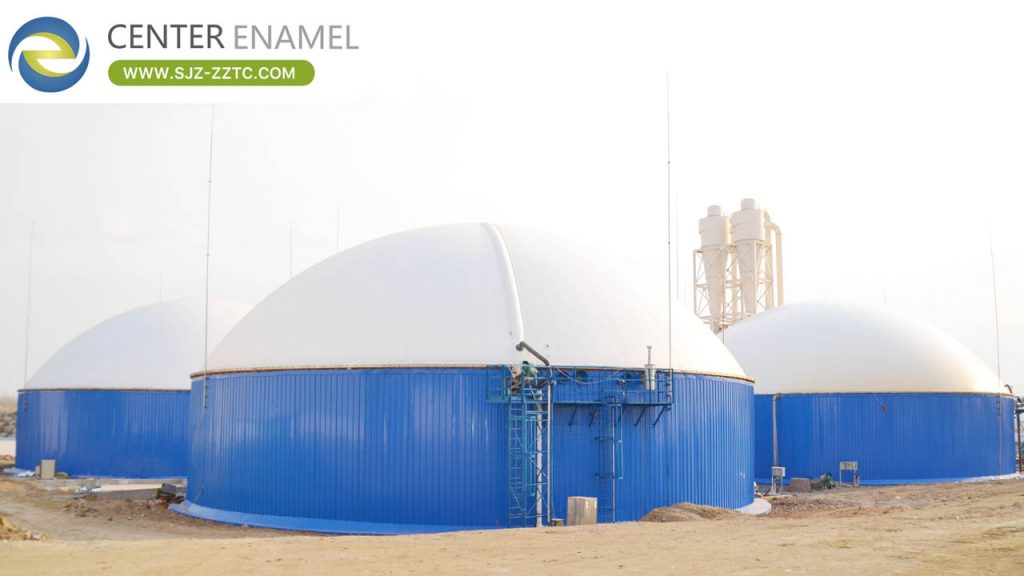
Capture Routes from the Upgrader
Cryogenic upgrading naturally separates CO₂ as a liquid stream at −50 to −80°C, giving food-grade purity in one step when feed gas is clean. Amine or pressure-swing adsorption units on water-scrubbed gas concentrate CO₂ that then needs dehydration and polishing. Membrane trains reject CO₂ as a 60–90% stream suited to lower-grade uses. The cleaner the biogas entering capture, the less polishing the CO₂ needs before sale.
Comparative Data Table: CO2 End-Use Pathways
| Use | Purity Needed | Value ($/t) | Market |
| Beverage / dry ice | 99.9% | 80–120 | Food & industry |
| Greenhouse / algae | 95–99% | 40–80 | Agri / aqua |
| Methanation feedstock | 90–98% | 30–70 | Gas grid |
| Mineralization | Any | 10–40 | Building mats |
From Emission to Revenue
Because biogas CO₂ is biogenic, it is outside fossil carbon accounting and can earn carbon credits when durably stored. Selling it as beverage-grade gas or dry ice captures the highest value; feeding it to greenhouses or methanation recovers most of the molecule’s energy or growth value at lower cost. Either path converts a vented greenhouse gas into a tracked, salable product line that improves plant economics and ESG positioning.
Frequently Asked Questions (FAQ)
Q1: Is biogas CO2 food grade?
A: Yes, when captured by cryogenic or well-polished amine routes and the biogas is desulfurized and siloxane-free, the CO₂ reaches 99.9% purity for beverage and dry-ice use. Purity depends on upstream gas cleaning before capture.
Q2: What products use captured biogas CO2?
A: Beverage carbonation and dry ice (highest value), greenhouse and algae growth, methanation feedstock to make more methane, and mineralization into building materials. Choice balances required purity against achievable price.
Q3: Can CO2 from biogas be sold?
A: Yes. Roughly 0.8–1.2 tonnes of CO₂ are available per tonne of biomethane; at $40–$120/tonne this is a real second revenue line. Biogenic origin also qualifies it for certain carbon-credit schemes when stored durably.
Q4: Does capturing CO2 help plant economics?
A: Clearly. It adds product revenue, lowers net emissions for certification, and in methanation mode boosts total methane from the same feedstock. The payback depends on capture route and the off-take contract secured.