
How Can Papermaking Wastewater be Treated? Processes, Technologies, and Sustainable Solutions
Papermaking is one of the most water-intensive industries globally, generating vast quantities of complex wastewater at nearly every production stage. This effluent, laden with organic compounds, suspended solids, and toxic substances, poses significant environmental risks if not properly treated. This article provides a comprehensive overview of papermaking wastewater treatment, exploring the sources, characteristics, and multi-stage processes required to meet discharge standards and achieve sustainability goals.
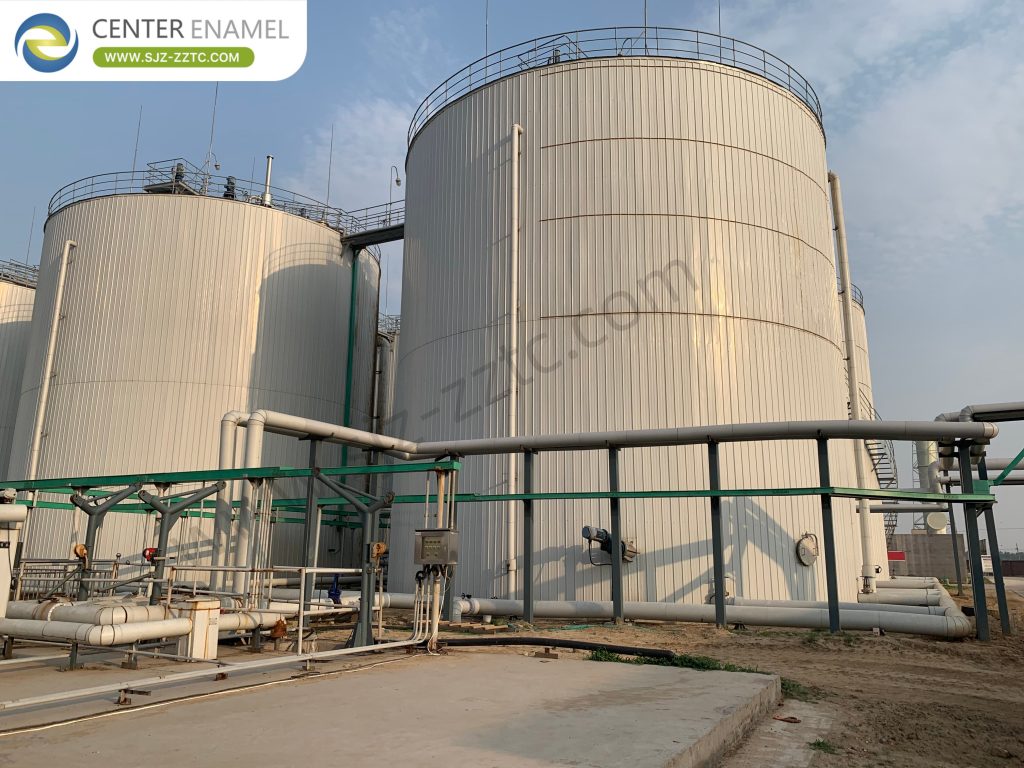
Understanding the Origins and Characteristics of Papermaking Wastewater
Before diving into treatment solutions, it's essential to understand where this wastewater comes from. The papermaking process generates several distinct wastewater streams, each with unique characteristics .
Pulping and Bleaching Wastewater: This is the most contaminated stream, including black liquor from chemical pulping and bleaching effluents. It contains massive amounts of lignin, cellulose, residual chemicals, and chlorinated organic compounds, resulting in extremely high Chemical Oxygen Demand (COD), Biological Oxygen Demand (BOD), and dark coloration. This wastewater is highly corrosive and difficult to biodegrade .
White Water: Produced during the paper forming, pressing, and drying stages, white water contains fine fibers, fillers, sizing agents, and retention additives. While its organic concentration is lower than pulping wastewater, its suspended solids (SS) content is extremely high .
Waste Paper Recycling Wastewater: Generated during deinking and cleaning processes, this stream contains ink particles, adhesives, microfibers, and chemical residues that often exhibit poor biodegradability .
Overall, papermaking wastewater is characterized by high COD, variable pH, high suspended solids, intense color, and large flow volumes, necessitating robust, multi-stage treatment systems .
The Multi-Stage Treatment Process: A Systematic Approach
A complete papermaking wastewater treatment system typically follows a multi-stage approach to remove solids, organics, nutrients, and color before discharge or reuse. Modern treatment plants integrate physical, chemical, and biological processes to achieve optimal results .
Primary Treatment: Physical Separation
The primary treatment stage focuses on removing suspended solids, floating materials, and fibrous debris. Common methods include:
Screening: Removes large debris and suspended solids using mechanical screens .
Sedimentation: Allows suspended particles to settle by gravity in clarifiers .
Dissolved Air Flotation (DAF): This is one of the most frequently used techniques for treating papermaking process waters. DAF units efficiently remove 80-99% of suspended solids, including fines, fillers, and various contaminants .
DAF operates by generating very fine bubbles through the release of previously dissolved air in pressurized water. These bubbles capture both hydrophobic and hydrophilic solids in a quiescent environment, allowing them to float to the surface for removal . Research has shown that natural biopolymers like chitosan can be effective in enhancing DAF performance. At intermediate dosages, native chitosan products demonstrate high efficiency, and when combined with bentonite microparticles, the required dosage is reduced by approximately half, achieving 83-89% turbidity removal .
Secondary Treatment: Biological Degradation
Biological treatment is the core of modern wastewater treatment for papermaking effluent, breaking down dissolved and colloidal organic matter. Biological methods are considered more economical and environmentally friendly compared to physico-chemical treatments, as they don't require the addition of chemicals or extensive handling of hazardous materials .
Anaerobic Treatment: Anaerobic digestion is widely used for high-strength papermaking wastewater due to its high COD removal efficiency and biogas recovery potential. Various reactor designs are employed :
IC (Internal Circulation) Reactors: Use biogas-driven internal circulation for enhanced mixing, offering 3-5 times higher volume loading rates than conventional reactors, ideal for large-scale mills with high COD loads .
UASB (Upflow Anaerobic Sludge Blanket) Reactors: A mature, reliable technology where wastewater flows upward through a granular sludge bed, suitable for medium-sized projects .
CSTR (Completely Stirred Tank Reactor): Uses mechanical stirring to prevent sedimentation, particularly effective for high-fiber, high-solid wastewater .
Aerobic Treatment: Typically follows anaerobic treatment to further polish effluent quality. Aerobic systems are suitable for low- to moderate-strength wastewater, achieving 30-70% pollutant removal . Common aerobic processes include activated sludge systems and biofilters.
Integrated Anaerobic-Aerobic Systems: Combining anaerobic and aerobic processes offers a comprehensive solution, with integrated systems achieving 75-90% COD removal . This approach also effectively reduces toxicity. Studies have shown that after physical and biochemical processes, the acute toxicity of papermaking wastewater to aquatic organisms can be completely eliminated .
Tertiary Treatment: Advanced Polishing
Tertiary treatment employs advanced processes to remove residual contaminants, color, and refractory organics that persist after biological treatment. This stage is crucial for meeting stringent discharge standards or enabling water reuse.
Advanced Oxidation Processes: Electrochemical advanced oxidation processes (EAOPs), such as anodic oxidation and electro-Fenton, show significant promise for treating complex real wastewaters. Anodic oxidation with boron-doped diamond (BDD) anodes can remove up to 93% of COD, while photoelectro-Fenton processes can achieve up to 98% mineralization of organic pollutants .
Membrane Technologies: Membrane filtration offers high-quality effluent suitable for reuse. Various membrane processes, including microfiltration, nanofiltration, and reverse osmosis, can effectively remove residual suspended solids, dissolved organics, and heavy metals .
Fenton Oxidation: While effective in reducing COD, the Fenton process requires careful monitoring as it can potentially increase wastewater toxicity due to transformation products and oxidant residues. Studies have shown that despite lowering COD, the Fenton process can increase acute toxicity .
Innovative and Nature-Based Treatment Solutions
The industry is increasingly exploring innovative, sustainable approaches to wastewater treatment.
Photobioreactors and Constructed Wetlands: An integrated nature-based system comprising a photobioreactor followed by a constructed wetland offers a low-cost, sustainable approach. The photobioreactor facilitates initial wastewater treatment and biomass production, while the constructed wetland acts as a polishing bioreactor to remove residual compounds through natural processes including sedimentation, adsorption, plant uptake, and microbial degradation . These systems are particularly effective at removing organic matter, nitrogen, phosphorus, and heavy metals, providing a cost-effective post-treatment stage that requires minimal maintenance and energy input .
Hybrid Treatment Approaches: Combining different treatment technologies can significantly enhance overall treatment efficiency. One study demonstrated that a hybrid approach using electrocoagulation as pre-treatment and electrooxidation with oxone as post-treatment achieved excellent overall removal rates exceeding 98.4% for all selected parameters, including COD, color, and tannin/lignin .
Sludge Treatment and Resource Recovery: The treatment process generates significant amounts of sludge that require proper management. Common sludge dewatering equipment includes plate and frame filter presses, belt filter presses, and screw presses . Recovered pulp can be reused for papermaking or sold as raw material for low-grade paper, providing direct economic benefits while reducing treatment load .
Emerging Technologies and Future Directions
Research continues to advance treatment technologies for papermaking wastewater.
Nanocellulose for Water Purification: Nanocellulose, a sustainable biomaterial, offers new opportunities for water decontamination through coagulation/flocculation, adsorption, photocatalysis, and membrane filtration. Its large surface area, versatile reactive sites, and scaffolding stability make it a promising material for improving the cost-effectiveness and sustainability of water purification .
Biofilm-Based Biological Treatment: Recent advancements in bioreactor technologies using microbial biofilms offer compact, efficient solutions with reduced sludge production. Studies using separate aerobic and anaerobic microbial biofilms have demonstrated excellent treatment efficiency, with actinomycetes and fungi proving particularly well-suited for biofilm development due to their mycelial growth patterns .
Resource Recovery and Zero Discharge: The industry is moving toward zero-discharge targets, where all wastewater is treated and recycled within the mill. This approach requires sophisticated treatment systems that can consistently produce high-quality water while recovering valuable resources like fibers, energy (biogas), and water .
Conclusion
Papermaking wastewater treatment is a complex, multi-stage process requiring a combination of physical, chemical, and biological technologies. The industry's move toward sustainable production has driven innovations in nature-based solutions, advanced oxidation processes, and resource recovery technologies. By implementing comprehensive treatment systems that integrate primary, secondary, and tertiary processes, paper mills can not only meet environmental regulations but also reduce operational costs through water reuse and resource recovery. The choice of treatment technology must consider factors such as wastewater characteristics, space constraints, energy consumption, and economic feasibility, with many mills now adopting hybrid approaches that combine multiple treatment technologies for optimal results.
Frequently Asked Questions (FAQs)
Q1: What are the main pollutants in papermaking wastewater that need to be removed?
Papermaking wastewater contains high levels of Chemical Oxygen Demand (COD), suspended solids (SS), lignin, phenols, colorants, and various organic compounds. The primary treatment goals focus on removing these pollutants, with COD removal being a key performance indicator. The wastewater also contains toxic aromatic compounds and chlorinated organics from bleaching processes that require specialized treatment to eliminate their environmental and health risks .
Q2: Why is a multi-stage treatment approach necessary for papermaking wastewater?
A multi-stage approach is essential because papermaking wastewater contains pollutants with different physical and chemical characteristics that require different treatment mechanisms. Primary treatment removes suspended solids; secondary biological treatment breaks down dissolved organic matter; and tertiary treatment polishes the effluent to remove residual contaminants, color, and refractory compounds. This systematic approach ensures that the treated effluent meets stringent discharge standards or can be safely reused .
Q3: Is biological treatment alone sufficient for treating papermaking wastewater?
No, biological treatment alone is rarely sufficient. While it is highly effective at removing biodegradable organic matter, papermaking wastewater often contains recalcitrant compounds like lignin, phenols, and chlorinated organics that resist biological degradation . Additionally, the wastewater's high color, toxicity, and residual organics typically require tertiary treatment using advanced oxidation processes or membrane technologies to achieve complete treatment and meet regulatory requirements .