
How Can Poultry Waste Be Recycled: Turning Agricultural Byproducts into Valuable Resources
The global poultry industry is one of the fastest-growing sectors of animal husbandry, providing more than one-third of human demand for meat and all demand for eggs . This growth, however, comes with a significant environmental challenge: massive generation of poultry waste, including manure, litter, feather waste, mortality waste, and hatchery byproducts. Traditionally, landfilling and burning have been the most frequently used disposal methods, both of which pose threats to climate change, environmental safety, and human health .
Fortunately, poultry waste is not merely a disposal problem. It is a resource-rich material containing organic matter, essential nutrients like nitrogen and phosphorus, and valuable keratin protein. A wide range of emerging technologies now enables the transformation of poultry waste into value-added products, supporting circular economy principles and sustainable agriculture. This article explores the most effective methods for recycling poultry waste, from conventional composting to advanced thermochemical and biological processes.
Composting: Converting Poultry Manure into Organic Fertilizer
Composting is perhaps the most accessible and widely adopted method for recycling poultry waste, particularly manure and litter. This natural process involves the aerobic decomposition of organic matter by microorganisms under controlled conditions . The result is a humus-rich organic amendment that improves soil physical, chemical, and biological properties over the long term.
Poultry manure is an excellent feedstock for composting due to its high nitrogen content and fermentable characteristics. When properly managed, composting stabilizes nutrients, reduces pathogens, and eliminates unpleasant odors. Research has demonstrated that compost from poultry waste delivers notable benefits for crop development, supplying essential nutrients including nitrogen (2.08–2.34%), phosphorus (4.01–4.27%), potassium (2.37–4.56%), calcium (10.36–12.93%), and magnesium (0.90–1.16%) .
The composting process can be enhanced through co-composting—mixing poultry waste with other agro-biomass such as plant residues—or through inoculation with effective microorganisms. Studies in Tunisia have highlighted co-composting as an effective way to reduce dependence on chemical fertilizers while managing large quantities of poultry manure . For regions with significant poultry production, composting offers a low-cost, scalable solution that supports regenerative farming practices.
Anaerobic Digestion: Producing Biogas from Poultry Litter and Manure
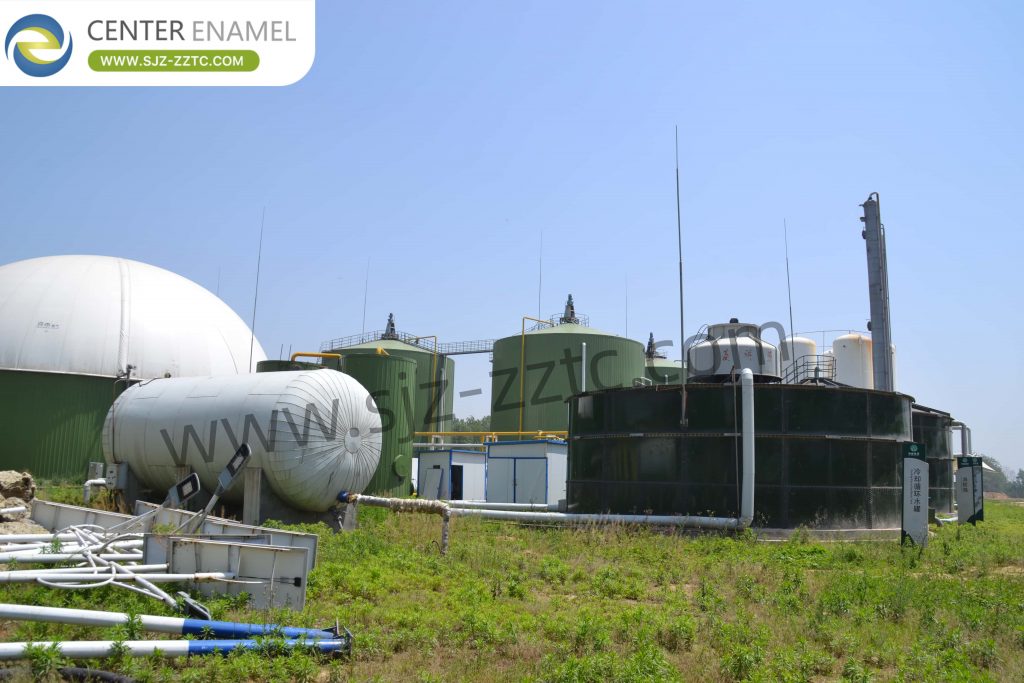
Anaerobic digestion is a biological process that converts organic matter into biogas—a renewable energy source composed primarily of methane and carbon dioxide—in the absence of oxygen. This technology is particularly attractive for poultry waste management because it simultaneously addresses waste disposal, energy production, and nutrient recovery.
Poultry manure is highly suitable for anaerobic digestion due to its rich organic content. The biogas produced can be used directly for heating, electricity generation, or upgraded to biomethane for injection into natural gas grids. The residual material, known as digestate, retains valuable nutrients and can be applied to agricultural land as a biofertilizer.
Recent initiatives in Northern Ireland have funded projects specifically focused on using layer manure as a biogas feedstock, with the goal of producing energy while minimizing nitrogen and methane losses . For poultry farms, anaerobic digestion offers a dual benefit: reducing energy costs and creating a revenue stream from waste. The technology is particularly valuable for farms where there is an imbalance between animal numbers and available land for manure application .
Pyrolysis: Transforming Poultry Litter into Biochar
Pyrolysis is a thermochemical process that decomposes biomass into gas, liquid, and solid products in the absence or limited supply of oxygen . When applied to poultry litter, pyrolysis produces biochar—a carbon-rich, highly porous material with multiple beneficial applications.
Poultry litter has a high volatile content (60–70% on a dry basis), making it well-suited for pyrolysis . The process offers several advantages over conventional combustion. Unlike burning, which can volatilize nutrients and release pollutants, pyrolysis retains beneficial macro- and micronutrients in the biochar, making them bioavailable to plants when applied to soil . The high temperatures involved also eliminate pathogens, reduce waste volume, and minimize odors .
Biochar produced from poultry litter can serve as a soil enhancer, improving water retention and nutrient-holding capacity. It also functions as a carbon sequestration tool, storing carbon in a stable form for extended periods. Furthermore, biochar has demonstrated significant ability to remove various pollutants from both liquid and gaseous discharges, making it valuable for environmental remediation .
Research indicates that pyrolysis temperature strongly influences biochar properties. While higher temperatures increase porosity and surface area, they also lead to greater nitrogen loss. Studies have identified 350°C as an optimal temperature for poultry manure carbonization, striking a balance between nitrogen retention and beneficial chemical transformation .
Nutrient Recovery: Extracting Phosphorus and Ammonia
Poultry manure is exceptionally rich in nutrients, particularly nitrogen and phosphorus. Rather than allowing these nutrients to become environmental pollutants through runoff and emissions, advanced recovery technologies can capture them for beneficial reuse.
The Quick Wash process, developed by USDA Agricultural Research Service scientists, extracts and recovers phosphorus from poultry litter solids. This patented treatment generates two products: a washed solid residue and a concentrated recovered phosphorus material . The technology has been licensed for commercialization and offers a sustainable alternative to mining finite phosphorus reserves.
Ammonia recovery represents another significant opportunity. When raw poultry manure is used for land fertilization, up to 11.25 kg of ammonia per ton can be released into the atmosphere, contributing to air pollution and nitrogen deposition in sensitive ecosystems . Innovative approaches such as gas-permeable membrane systems can capture and recover ammonia from poultry wastewater with recovery efficiencies of 96–98% . The captured ammonia is converted into ammonium salts that can be used as fertilizers.
The Poul-AR project in Europe exemplifies an integrated approach, combining biological ammonification, ammonia stripping, and subsequent digestion of the residual organic fraction to produce biogas . This multi-step process prevents ammonia emissions while recovering valuable nutrients and energy.
Feather Waste Recycling: From Keratin to Valuable Products
Feathers represent a substantial portion of poultry processing waste, accounting for approximately 5–10% of a bird‘s total body weight . Millions of tons of feather waste are generated globally each year, posing environmental risks due to the presence of pathogens and the emission of pollutants like ammonia and hydrogen sulfide .
The primary component of feathers is keratin, an insoluble, fibrous protein that accounts for 85–99% of dried feather weight . While this recalcitrant nature makes feathers resistant to natural degradation, it also makes them a valuable source material for diverse applications.
In agriculture, feather waste can be converted into biofertilizers through fermentation processes. Research in Indonesia has explored converting chicken feather waste into bokashi fertilizer through anaerobic fermentation using keratinase-producing microorganisms . The resulting product exhibits favorable characteristics, including high nitrogen content and a balanced nutrient profile, offering a low-cost, scalable solution for waste management while enhancing soil fertility.
Emerging research also demonstrates that feathers can be transformed into biochar through pyrolysis, creating a nutrient-rich soil amendment . More broadly, keratin from feathers has potential applications in bioplastics, biomaterials, and even biomedical products. The UNLOCK project in Europe aims to demonstrate the full potential of keratin for circular bio-based plastics, creating new bio-based value chains and opening innovation-led market opportunities .
Extrusion Processing: Converting Poultry Byproducts into Feed
Extrusion processing offers a method for recycling poultry industry residues into feedstuffs, closing the loop within the poultry production system itself. Research conducted on dead poultry, feathers, eggshells, and hatchery waste has demonstrated that high-temperature, short-time extrusion can convert these materials into safe, nutritious feed ingredients.
Studies have shown that extruded products from dead broilers and enzyme-treated feathers supported growth rates and feed conversion comparable to conventional corn-soybean meal diets when fed to broilers . Similarly, extruded hatchery waste products incorporated into laying hen diets produced no differences in egg production, egg weight, feed conversion, or egg specific gravity . Importantly, the extrusion process eliminates aerobic microorganisms, addressing microbiological safety concerns .
This approach is particularly valuable for poultry integrators seeking to minimize waste disposal costs while capturing value from byproducts that would otherwise require rendering or landfill disposal.
Hydrothermal Carbonization: Treating Wet Poultry Waste Safely
Hydrothermal carbonization (HTC) is an emerging technology that treats wet biomass under high pressure and temperature to produce hydrochar—a carbon-rich material with properties similar to biochar. Unlike pyrolysis, which requires dried feedstock, HTC can process wet materials directly, making it suitable for poultry mortality waste and other high-moisture byproducts.
HTC offers significant advantages for poultry waste treatment. The process kills pathogens and destroys antibiotic resistance genes, addressing growing concerns about antimicrobial resistance in agricultural systems . The majority of nitrogen, phosphorus, calcium, and magnesium remain integrated within the hydrochar material, which can subsequently be used as a plant fertilizer .
USDA research has also demonstrated that hydrochar made from chicken litter has high sorption capacity for pharmaceutical and personal care products, as well as heavy metals like antimony, arsenic, copper, cadmium, and lead . This makes hydrochar valuable not only as a fertilizer but also as an environmental sorbent for water treatment applications.
Frequently Asked Questions
What is the most environmentally friendly way to recycle poultry litter?
Composting is the most eco-friendly option for small to medium farms—it stabilizes nutrients, kills pathogens, and produces valuable soil amendment with minimal energy use. Larger operations may prefer anaerobic digestion, which also generates renewable energy while recovering nutrients.
Can poultry feathers be recycled into fertilizer?
Yes. Feathers can be converted into fertilizer through fermentation with keratinase-producing microorganisms (producing bokashi), pyrolysis (producing biochar), or extrusion processing to create feather-based feed ingredients.
Is poultry waste recycling economically viable?
It depends on scale and technology. Simple composting lowers disposal costs and provides usable compost. Advanced methods like anaerobic digestion and pyrolysis need higher investment but generate multiple revenue streams—energy, biochar, and recovered nutrients. Government incentives and rising fertilizer prices are improving profitability.