
How Do Organic Waste Plants Make Money? Revenue Models, Gate Fees, and Energy Offtake
An organic waste plant makes money from three layered income lines: (1) gate or tipping fees charged to accept food, garden, and agro waste; (2) energy revenue from biogas used for heat, electricity (CHP), or upgraded biomethane; and (3) product sales such as compost, bio-fertilizer, and captured CO₂. Well-run plants earn $30–$90 per tonne in gate fees and post EBITDA margins of 25–45%, with profitability strongest when all three lines are monetized rather than gas flared.
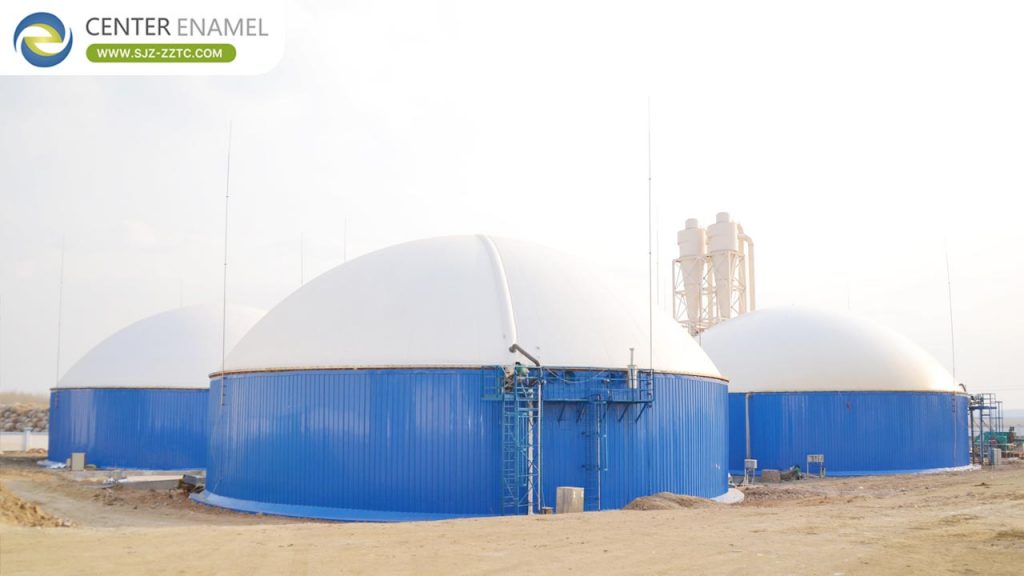
The Three Revenue Lines, Explained
Line 1—Tipping income: municipalities and food processors pay $30–$90/tonne to offload organics, with food waste at the top of the range. Line 2—Energy: each tonne of food waste yields 100–200 m³ biogas (55–65% CH₄), worth $15–$45 as electricity or $30–$90 as upgraded biomethane. Line 3—Products: stabilized digestate and compost displace synthetic fertilizer, while captured CO₂ and renewable certificates add margin. Plants leaning on all three lines are the most resilient to energy-price swings.
Comparative Data Table: Revenue by Business Model
| Model | Main Income | Gate Fee ($/t) | EBITDA Margin | Best When |
| Pure tipping + flaring | Gate fee only | 50–90 | 10–20% | Cheap land, no offtake |
| Tipping + CHP | Fee + electricity | 40–80 | 25–35% | Grid access, stable demand |
| Tipping + biomethane | Fee + gas sale | 30–70 | 35–45% | Pipeline/green-gas premium |
What Drives Margin Up or Down
Feedstock cost is the swing factor: negative-cost food waste (paid to take) beats purchased green waste every time. Energy offtake price is next—a fixed biomethane premium beats dumping heat into the air. Utilization above 90% and disciplined O&M protect margin; every downtime day erodes fixed-cost recovery. Finally, co-digesting paid organics with low-cost manure lifts both gate income and gas yield without proportional CAPEX.
Frequently Asked Questions (FAQ)
Q1: What is a gate fee for organic waste?
A: A gate (tipping) fee is what a plant charges to accept organic waste—typically $30–$90 per tonne, higher for wet food waste than for garden waste. It is usually the most reliable income line because it is paid up front, before any gas is even produced.
Q2: Do biogas plants earn more from energy or tipping fees?
A: It depends on scale and offtake. Small plants lean on gate fees; larger plants with pipeline or green-gas contracts earn more from biomethane. The most profitable operations monetize both, plus digestate and certificates, rather than relying on a single line.
Q3: What products besides energy create revenue?
A: Stabilized digestate and compost replace synthetic fertilizer; captured biogenic CO₂ sells as beverage-grade or reactor feedstock; renewable-energy and carbon certificates add income. These product lines turn what was a disposal cost into several salable outputs.
Q4: What EBITDA margin is realistic?
A: Realistic EBITDA margins run 25–45% for plants that combine tipping fees with energy or biomethane sales. Pure tipping-and-flare setups fall to 10–20%, while plants with a fixed green-gas premium and cheap feedstock reach the top of the range.