
How Do Poultry Farms Manage Waste? A Complete Guide to Traditional and Modern Treatment Methods
Poultry farms generate substantial volumes of waste in the form of litter, manure, and mortalities that require careful management to protect environmental quality and comply with regulations. How poultry farms manage waste has evolved significantly, moving from simple land application to sophisticated systems that recover energy, nutrients, and value from what was once considered a disposal problem. This guide examines both traditional practices and modern biogas conversion technologies that are transforming poultry waste management.
Traditional Poultry Waste Management Practices
For decades, poultry farms have relied on land application as the primary method for managing litter and manure. Poultry litter—a mixture of bedding material, manure, feathers, and feed scraps—contains valuable nitrogen, phosphorus, and potassium that can fertilize crops when applied at appropriate rates.
Traditional management typically involves storing litter in designated structures until conditions are suitable for field application. Poultry litter has a low moisture content and is often stored in cone-shaped stockpiles that form a crust on top, helping to shed rain and prevent nutrient runoff. In Maryland, for example, farmers are prohibited from spreading manure from December 16 through the end of February to protect streams during winter months.
Composting represents another traditional approach, where litter is aerated and decomposed to produce a stabilized soil amendment. Some farms employ forced aeration systems to accelerate the composting process and reduce pathogens before land application.
Regulatory Framework for Poultry Waste Management
Poultry farms, particularly large operations classified as Concentrated Animal Feeding Operations (CAFOs), must comply with comprehensive regulatory requirements governing waste storage, handling, and land application.
The EPA requires CAFOs to develop and implement Nutrient Management Plans (NMPs) that describe specific practices for managing manure, litter, and process wastewater. These plans must address testing protocols for nutrient content, land application methods, record-keeping requirements, and best management practices to control runoff. Key requirements include maintaining proper storage structures, preventing animals from contacting waters of the United States, and implementing conservation practices such as vegetated buffers and setbacks.
The following table summarizes essential components of a poultry waste nutrient management plan:
| Requirement | Purpose |
| Manure and soil testing | Determine nutrient content and application rates |
| Land application procedures | Specify timing, rate, and method of application |
| Storage structure maintenance | Ensure proper operation and prevent discharges |
| Record keeping | Document practices and demonstrate compliance |
| Conservation practices | Control nutrient runoff and protect water quality |
State regulations may impose additional requirements. Oklahoma now requires poultry operations to register with the State Board of Agriculture and provide detailed environmental history and nutrient management information. In North Carolina, dry litter poultry operations must keep waste covered for the majority of the year and stored more than 100 feet from streams, waterbeds, or wells.
Anaerobic Digestion: Converting Poultry Litter to Biogas
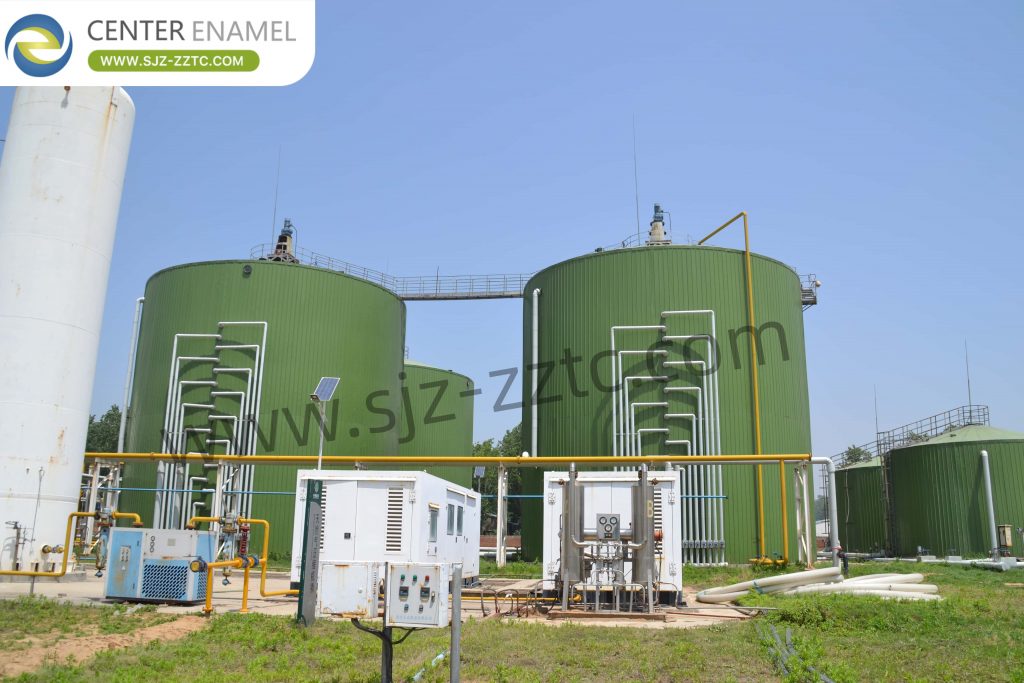
Anaerobic digestion (AD) has emerged as a transformative technology for poultry waste management, converting organic matter into methane-rich biogas while producing nutrient-rich digestate as a byproduct.
The Anaerobic Digestion Process
Anaerobic digestion occurs in the absence of oxygen, where microorganisms break down organic materials through a series of biological processes. The resulting biogas typically contains 50-70% methane and can be used for electricity generation, heating, or upgrading to renewable natural gas.
For poultry litter specifically, anaerobic digestion offers multiple advantages over traditional land application. The process reduces odor, destroys pathogens, and produces a renewable energy source while retaining nutrients in a more stable form. However, poultry litter presents challenges for AD due to its high nitrogen content and low carbon-to-nitrogen ratio, which can inhibit microbial activity if not properly managed.
Enhancing Biogas Production from Poultry Litter
Research has explored various strategies to optimize biogas production from poultry litter. Co-digestion with carbon-rich materials helps balance the carbon-to-nitrogen ratio. A study conducted at laboratory scale evaluated co-treatment-assisted anaerobic digestion of poultry manure and switchgrass mixtures, finding that feedstock composition and retention time significantly influence biogas production and methane yield.
Another approach involves alkali pretreatment to enhance biodegradability. Research demonstrated that treating broiler litter with sodium hydroxide before digestion improved biogas production by disrupting the lignocellulosic structure and making organic matter more accessible to microbial action.
High-solids anaerobic digestion represents another advancement. A study assessing poultry litter digestion at 10%, 30%, and 60% total solids found that 30% solids produced the highest biogas yields. Co-digestion with food waste hydrolysate improved the carbon-to-nitrogen ratio, while micro-aeration with sulfur-oxidizing bacteria enhanced methane content to 68% and removed 80-92% of hydrogen sulfide.
Emerging Thermochemical Conversion Technologies
Beyond biological treatment, thermochemical conversion technologies offer alternative pathways for converting poultry litter into energy and valuable products.
Gasification, pyrolysis, hydrothermal liquefaction, and hydrothermal carbonization are among the technologies being evaluated for poultry litter management. A comprehensive life cycle assessment compared these technologies with direct land application, finding that gasification achieved the best environmental benefits, including an 84% reduction in ecosystem quality damage and a 49% reduction in carbon footprint.
Slow pyrolysis produces biochar as a primary product, which can sequester carbon in soils while providing a soil amendment. The climate benefit of slow pyrolysis is relatively stable because it relies on biochar carbon sequestration rather than energy product markets, which can fluctuate.
The following table compares major treatment pathways for poultry waste:
| Technology | Primary Output | Key Advantage |
| Land application | Crop nutrients | Low cost, established practice |
| Composting | Stabilized soil amendment | Pathogen reduction |
| Anaerobic digestion | Biogas, digestate | Renewable energy, odor control |
| Gasification | Syngas, heat | High environmental benefit |
| Pyrolysis | Biochar, bio-oil | Carbon sequestration |
Innovative On-Farm Waste Management Systems
Modern poultry operations are adopting innovative technologies that address waste management at the source while improving bird health and productivity.
Georgia Tech engineers are developing the "Poultry House of the Future," which includes the Broiler House Integrated Guided-Motion Excreta Saturation System (BHIG-MESS). This raised tile flooring system automatically removes chicken waste via conveyor belts, keeping the house dry and clean. Field trials showed reduced cases of footpad dermatitis compared to traditional litter systems, demonstrating both environmental and bird welfare benefits.
The system addresses a fundamental challenge in poultry production: moisture from waste creates humid conditions that can harm bird health and growth rates. By removing waste continuously rather than allowing it to accumulate, the BHIG-MESS system prevents moisture buildup and reduces the energy required for ventilation.
Kreider Farms, a Pennsylvania egg producer recognized for environmental excellence, employs a belt-system litter management process that removes manure every two days to prevent buildup. The litter undergoes composting and dehydration with forced aeration before being directed to the farm's row crop fields, where it is incorporated into the soil to reduce runoff and odors.
Nutrient Recovery and Value-Added Products
Beyond energy production, poultry waste management increasingly focuses on recovering valuable nutrients and creating marketable products.
The "quick wash" process developed by USDA researchers extracts phosphorus from poultry litter, producing a concentrated fertilizer product that can be transported more economically than raw litter. The remaining washed solids have improved characteristics for energy production through anaerobic digestion or thermochemical conversion, with greater mass loss under pyrolysis and higher energy density under combustion.
Nutrient management planning has become a cornerstone of responsible poultry waste handling. North Carolina State Extension develops customized plans for commercial poultry farms, specifying crops to be grown, appropriate waste application rates, and plans for storing or transporting litter to other farms. In 2024, extension agents wrote plans for eleven western North Carolina farms producing 10,700 tons of dry poultry litter, saving producers approximately $16,500 in consulting fees.
Need help developing a poultry waste management strategy for your operation? Our team can assist with nutrient management planning, anaerobic digestion feasibility assessments, and regulatory compliance guidance tailored to your facility's specific needs. Contact us today to discuss sustainable solutions for your poultry waste challenges.
Frequently Asked Questions
What is the most common method for managing poultry litter?
Land application as crop fertilizer remains the most common method for managing poultry litter. Farmers typically store litter in designated structures until appropriate application times, following nutrient management plans that specify application rates based on soil tests and crop needs. Poultry litter provides valuable nitrogen, phosphorus, and potassium while improving soil organic matter.
Can poultry litter be converted to renewable energy?
Yes, poultry litter can be converted to renewable energy through anaerobic digestion and thermochemical processes. Anaerobic digestion produces biogas containing 50-70% methane that can generate electricity or heat. Thermochemical technologies including gasification, pyrolysis, and hydrothermal conversion offer alternative pathways for energy recovery, with gasification showing particularly favorable environmental performance in life cycle assessments.
What regulations apply to poultry waste management?
Large poultry operations classified as CAFOs must comply with EPA regulations requiring Nutrient Management Plans that address storage, testing, land application, and record keeping. State regulations may impose additional requirements, such as Maryland's winter spreading prohibition and Oklahoma's registration requirements for poultry feeding operations. These regulations aim to prevent nutrient runoff and protect water quality.