
How Do Wastewater Treatment Plants Recover Biogas? Sludge Digestion and Gas Utilization
Wastewater treatment plants recover biogas by digesting primary and secondary sludge in heated anaerobic digesters (often 35–38°C), then cleaning the gas of H₂S and siloxanes before burning it in CHP units or boilers. A plant serving 100,000 people typically yields 1,500–3,500 m³/day of biogas (55–65% CH₄), covering 30–80% of site electricity and turning a cost center into an energy source.
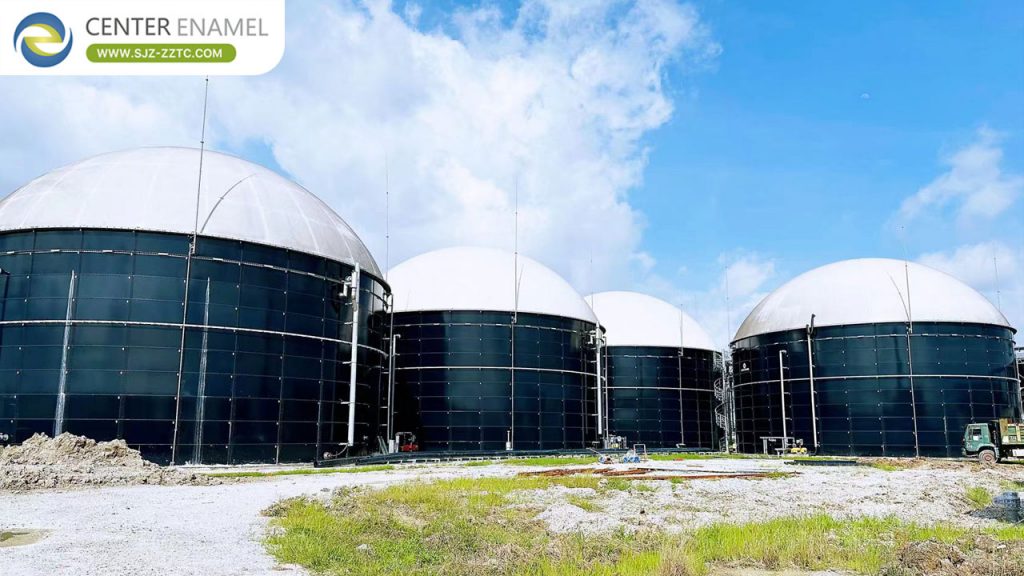
The Recovery Chain
Step 1—Thickening: wasted activated and primary sludge are concentrated to 3–6% solids. Step 2—Digestion: heated, mixed digesters hold sludge 15–30 days while microbes release biogas. Step 3—Gas cleaning: desulfurization and activated-carbon filters remove H₂S and siloxanes that would corrode engines. Step 4—Utilization: CHP generates electricity and heat (the heat is recycled to keep digesters at temperature), or the gas feeds a boiler or upgraded grid injection.
Comparative Data Table: Gas Utilization Options
| Option | Electrical Eff. | Heat Use | Best Fit |
| CHP (combined) | 35–45% | 45–50% | On-site demand |
| Boiler only | 0% | 70–85% | Heat-led sites |
| Upgrade + grid | n/a | n/a | Pipeline access |
What Drives Recovery Higher
Co-digesting screened food or FOG waste lifts volatile-solids load and gas yield 10–30% without new tanks. Holding 35–38°C mesophilic stability and tight H₂S control protects engine uptime. Covered primary clarifiers and sludge holding tanks also capture fugitive methane that would otherwise vent. Plants that pair recovery with heat reuse and smart aeration recover the most energy per cubic meter treated.
Frequently Asked Questions (FAQ)
Q1: What digester recovers biogas at a WWTP?
A: Heated anaerobic digesters—usually mesophilic at 35–38°C—treat thickened primary and secondary sludge for 15–30 days, releasing biogas. Some plants add a second-stage or co-digestion tank to lift yield.
Q2: How is sewage biogas used?
A: Most is burned in CHP to make electricity and heat; the heat is recycled to warm the digesters. Other routes are boilers for site heat, or upgrading to biomethane for grid or vehicle fuel when pipeline access exists.
Q3: How much biogas does a treatment plant make?
A: A plant for 100,000 people typically yields 1,500–3,500 m³/day at 55–65% CH₄, covering 30–80% of site electricity. Yield scales with population and sludge volatile-solids content.
Q4: Why clean the gas before use?
A: Raw sewage biogas carries H₂S (corrosive, forms acid) and siloxanes (abrade and foul engines). Desulfurization and activated-carbon filtration protect CHP and meet air-permit limits—skipping them causes premature engine failure.