
How Does C:N Ratio Affect Biogas Production? The Optimal Balance Explained
The C:N ratio—the mass ratio of carbon to nitrogen in feedstock—directly controls methane yield in anaerobic digestion. Microbes need both elements: carbon for energy and cell mass, nitrogen for protein and enzymes. The optimal window is 20:1 to 30:1; outside it, digestion slows, volatile fatty acids accumulate, and gas output drops.
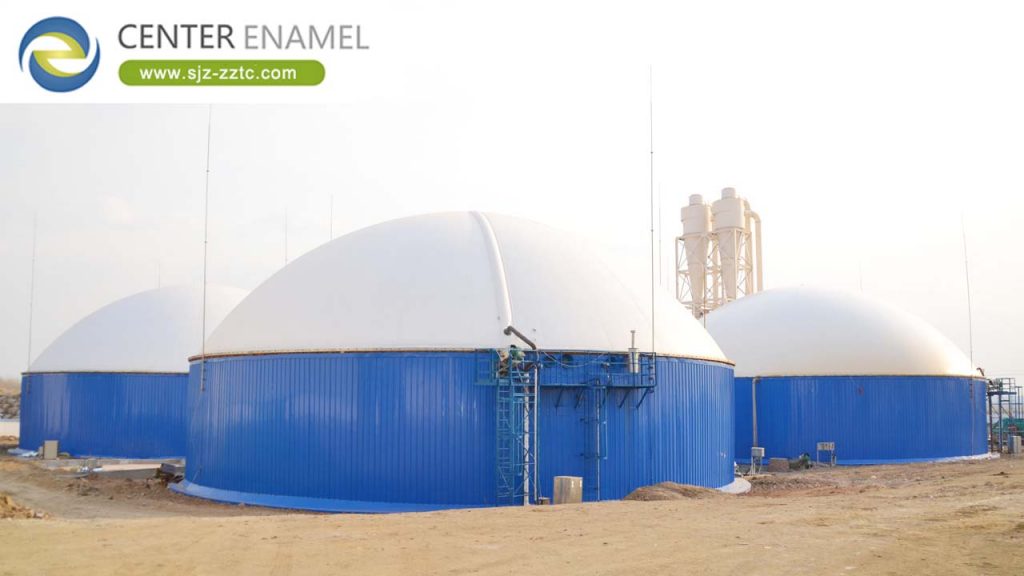
Why Microbes Need a Balanced C:N Ratio
In a digester, methanogenic archaea synthesize cell material and enzymes from nitrogen, while carbon compounds supply the electrons and energy that become methane. Too little nitrogen starves enzyme production; too much nitrogen releases free ammonia that, above roughly 1,500–2,000 mg/L as NH₃-N, suppresses the very microbes making your gas.
Comparative Data Table: C:N Ratio of Common Feedstocks
| Feedstock | C:N Ratio | Effect on Digester |
| Maize silage | 25–35:1 | Near-ideal, adds carbon |
| Cattle manure | 20–25:1 | Balanced base load |
| Food waste | 15–20:1 | Slightly N-rich |
| Poultry manure | 5–10:1 | Too N-rich; needs carbon |
| Straw / ag residues | 60–100:1 | Too C-rich; needs nitrogen |
| FOG (fats/oils) | 10–20:1 | N-moderate, energy-dense |
Too High (Carbon-Rich): The Slow-Down
When C:N exceeds ~35:1, nitrogen becomes the limiting nutrient. Microbial growth stalls, digestion rates fall, and retention times must lengthen to extract the same gas. The symptom is a stable but low gas curve and incomplete breakdown of fibrous material—common with pure straw or wood residues.
Too Low (Nitrogen-Rich): Ammonia Inhibition
When C:N drops below ~15:1 (typical of pure poultry manure or food waste), excess nitrogen mineralizes to ammonium and then to free ammonia. Above the ~1,500–2,000 mg/L NH₃-N threshold, methanogens lose activity, volatile fatty acids build up, pH can rise, and the digester foams and smells—sometimes collapsing gas production for weeks.
How to Correct an Off-Balance Ratio
To lower an excessive C:N ratio, add nitrogen-rich material—manure, slurry, or a small urea dose. To raise a too-low ratio, add carbon-rich bulking agents such as straw, sawdust, corn stover, or dried grass. The practical target is 20–30:1; most operators blend feeds to land in that band rather than dosing chemicals.
Frequently Asked Questions (FAQ)
Q1: What is the ideal C:N ratio for biogas?
A: The widely accepted sweet spot is 20:1 to 30:1 by mass. Within that band microbes have enough nitrogen for enzymes yet not so much that free ammonia inhibits methane formation. Many stable plants run closer to 25:1 for maximum, reliable yield.
Q2: What happens if C:N ratio is too high?
A: Nitrogen becomes limiting, microbial growth slows, and gas yield per ton drops while retention time must increase. The fix is adding nitrogen-rich material such as manure or a modest urea supplement to bring the ratio back toward 25:1.
Q3: What happens if C:N ratio is too low?
A: Excess nitrogen mineralizes to free ammonia; above ~1,500–2,000 mg/L NH₃-N it inhibits methanogens, causing volatile fatty acid buildup, foaming, and yield collapse. Correct it by adding carbon-rich bulking agents like straw or sawdust.
Q4: How do you adjust C:N ratio in a digester?
A: Blend feeds so the mixture lands at 20–30:1 rather than relying on chemicals. Use a carbon-rich stream (straw, sawdust, stover) to raise a low ratio, or a nitrogen-rich stream (manure, slurry) to lower a high one. Introduce changes gradually to avoid shocking the culture.