
How Does Power-to-Gas Methanation Work?
Power-to-gas methanation works by combining renewable hydrogen (made by electrolyzing water with surplus power) with a CO₂ source to synthesize methane, via the reaction 4 H₂ + CO₂ → CH₄ + 2 H₂O. It is done either catalytically (Sabatier, 300–400°C, >95% conversion) or biologically with hydrogenotrophic microbes (35–65°C), storing excess renewable electricity as a drop-in gas fuel.
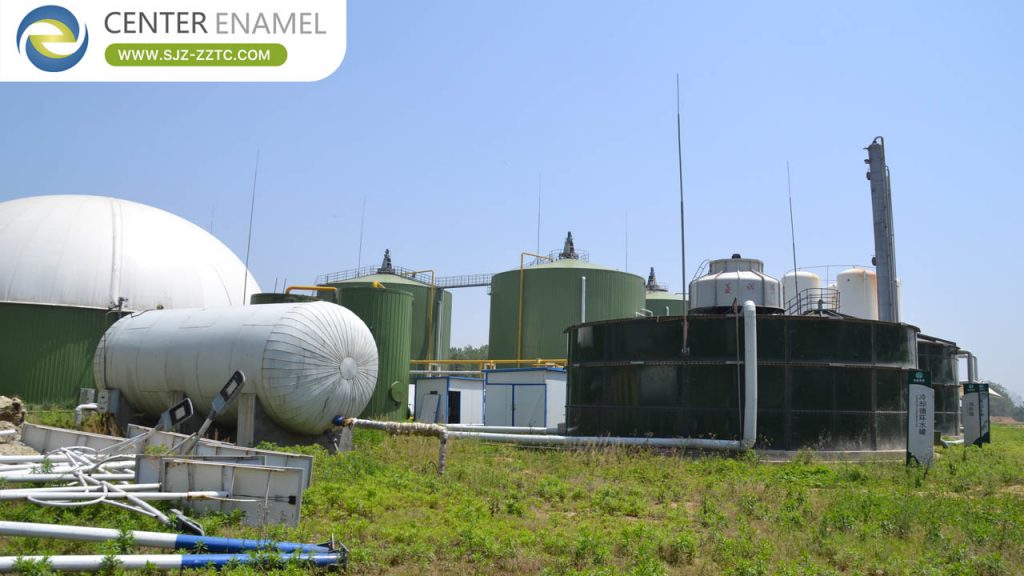
The Core Reaction
Methane is just carbon plus hydrogen. If you have CO₂ (from biogas upgrading, fermentation, or industry) and green H₂, you can rebuild CH₄. The reaction is exothermic—it releases heat—and turns two gases that are hard to store into one that already fits the gas-grid and vehicle-fuel infrastructure.
Catalytic (Sabatier) Methanation
Catalytic methanation passes H₂ and CO₂ over a nickel- or ruthenium-based catalyst at 300–400°C, achieving >95% CO₂ conversion and high-space-velocity throughput. It is fast and compact but needs purified H₂, careful temperature control (the reaction runs hot), and sulfur-free feed.
Biological Methanation
Biological methanation uses hydrogenotrophic methanogens (archaea) to reduce CO₂ with H₂ at 35–65°C, the same bugs behind natural biogas formation. It runs at mild temperature, tolerates some impurities, and can be bolted onto an operating digester—but it is slower and more sensitive to H₂ mass-transfer limits.
Where the Inputs Come From
The H₂ is produced by an electrolyzer running on cheap or surplus renewable electricity; the CO₂ is typically the off-gas from biogas upgrading (a biogenic, low-carbon source) or another capture stream. Pairing the two lets a biogas plant become both a methane producer and a renewable-power sink.
Catalytic vs Biological
| Aspect | Catalytic (Sabatier) | Biological (microbial) |
| Temperature | 300–400°C | 35–65°C |
| CO₂ conversion | >95% | 80–95% H₂ use |
| Throughput | high | lower |
| Impurity tolerance | low (needs pure H₂) | higher |
| Maturity | commercial pilots | demonstration |
Technical Considerations
The hardest engineering step is getting H₂ to the reaction site: bubbles of H₂ are poorly soluble in water, so biological systems need strong mixing or gas-recirculation to avoid mass-transfer bottlenecks. Catalytic systems need pure, dry, sulfur-free feed and heat management. Both need the electrolyzer and CO₂ supply sized to steady operation.
Advantages and Limitations
PtG methanation stores variable renewable power as pipeline-grade methane with no new infrastructure, and reuses biogenic CO₂. Limits: electrolysis and conversion losses mean round-trip efficiency is modest (see efficiency article), and capital is high. It is a balancing tool for the grid, not a primary biogas route.
Best Practices / How to Deploy
Site PtG where cheap renewable power and a biogenic CO₂ source coincide (e.g., at a biogas plant). Use catalytic methanation for throughput and biological for mild-temperature, impurity-tolerant retrofits. Size the electrolyzer to surplus power, not peak demand.
Power-to-gas methanation stores renewable electricity as methane by reacting green H₂ with CO₂—catalytically at 300–400°C with >95% conversion, or biologically via hydrogenotrophic microbes at 35–65°C. It turns surplus power and biogenic carbon into a drop-in gas fuel.
Frequently Asked Questions (FAQ)
Q1: How does power-to-gas methanation work?
A: Renewable electrolysis makes H₂; that H₂ reacts with CO₂ to form CH₄ + H₂O, either over a catalyst (300–400°C) or via hydrogenotrophic microbes (35–65°C).
Q2: Catalytic or biological—which is better?
A: Catalytic is faster and higher-throughput but needs pure H₂; biological runs cooler, tolerates impurities, and retrofits a digester but is slower.
Q3: Where do the H₂ and CO₂ come from?
A: H₂ from an electrolyzer on surplus renewable power; CO₂ typically from biogas upgrading off-gas or another capture stream.
Q4: Why do power-to-gas at all?
A: It stores variable renewable power as grid-ready methane and reuses biogenic CO₂, helping balance grids without new fuel infrastructure.
Q5: Is the reaction efficient?
A: H₂-to-methane conversion is high (80–95%), but the full electricity→H₂→CH₄ chain lands around 55–70% (see the biological-methanation-efficiency article).
Q6: Can it attach to an existing biogas plant?
A: Yes—biological methanation in particular can be added to a digester, using its CO₂-rich biogas and surplus power to raise methane content.
Project Case Reference
Malaysia Biogas Project — Malaysia · 2026
5 GFS Tanks · 27,000 m³ Total Volume · 22,000 m³ Biogas/Day
A large-scale biogas project in Malaysia featuring 5 Glass-Fused-to-Steel (GFS) tanks. The project achieves approximately 80% digestibility, with each single tank producing about 4,400 m³ of biogas daily, totaling 22,000 m³ per day across all 5 tanks.
Technical Specifications
Single Tank Volume: 5,400 m³ (Ø24.46 × 12 m)
Total Effective Volume: 27,000 m³ (5 tanks)
Daily Biogas Production: 22,000 m³ total
Digestibility: ≈ 80%
Gas Production Rate: 0.45 m³ / kg COD removed
Tank Type: Glass-Fused-to-Steel (GFS)
Water Quality Data
| Parameter | Inlet Water | Effluent |
| COD | ≥ 60,000 mg/L | ≥ 12,000 mg/L |
| BOD | ≤ 25,000 mg/L | ≤ 5,000 mg/L |