
How Does SBR Work? A Complete Guide to Sequencing Batch Reactor Technology
A Sequencing Batch Reactor (SBR) is a fill-and-draw activated sludge system that performs all major wastewater treatment steps in a single tank through timed sequences. Unlike conventional continuous-flow treatment plants where different processes occur in separate tanks, an SBR completes equalization, aeration, sedimentation, and clarification in one reactor using a precisely controlled cycle.
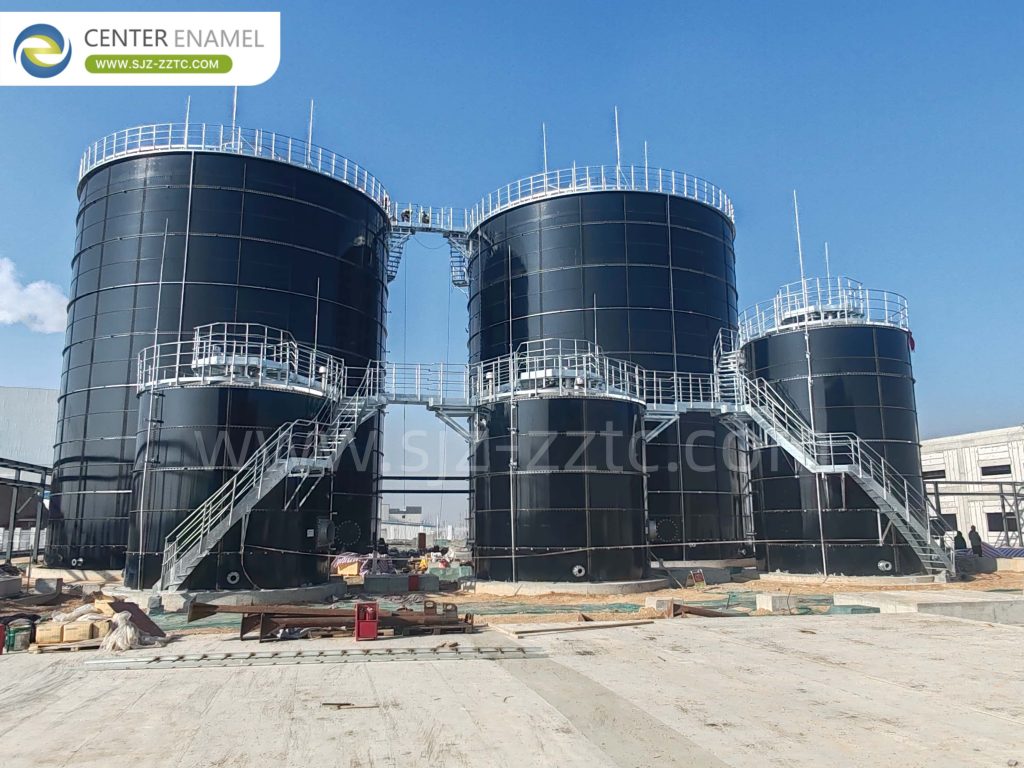
The technology is essentially a modification of the traditional activated sludge process, adapted to operate under non-steady state conditions. This design offers exceptional operational flexibility, making SBR systems suitable for both municipal and industrial wastewater treatment applications where flow rates and contaminant loads vary significantly.
The Five Phases of the SBR Cycle
The heart of how SBR works lies in its sequential batch cycle. Each cycle consists of five distinct phases: fill, react, settle, decant, and idle. These phases repeat continuously to process discrete volumes of wastewater. The table below summarizes the typical time allocation and primary function of each phase.
| Phase | Typical Share of Cycle | Primary Function |
| Fill | ~25% | Introduce raw wastewater and bring biomass into contact with substrate |
| React | ~35% | Aerobic biological oxidation, nitrification, and substrate removal |
| Settle | ~20% | Quiescent separation of solids from treated liquid |
| Decant | ~15% | Withdraw clarified effluent from below the water surface |
| Idle | Remaining time | Sludge wasting, maintenance, and transition between cycles |
Fill Phase
During the fill phase, raw wastewater enters the reactor containing settled biomass from the previous cycle. This biomass provides the microbial population necessary for biological treatment. Approximately 25% of the total cycle time may be dedicated to filling. The fill phase can be manipulated to create different environmental conditions—static filling, mixed filling, or aerated filling—depending on treatment objectives. For biological nutrient removal, alternating anoxic and aerobic conditions during fill can enhance both nitrification and denitrification processes.
React Phase
The react phase is where the majority of biological treatment occurs, consuming approximately 35% of the cycle time. During this period, no influent enters the tank, but mechanical mixing and aeration devices operate to facilitate biochemical reactions. Microorganisms metabolize organic matter, converting BOD and COD into carbon dioxide and water while simultaneously performing nitrification—the conversion of ammonia to nitrate. The controlled environment of the react phase allows for efficient substrate removal and biological nutrient transformations.
Settle Phase
Following the reaction period, aeration and mixing cease, allowing solids to separate from the liquid under quiescent conditions. This clarification phase typically requires about 20% of the cycle time. The activated sludge forms a distinct interface between the clear supernatant above and the settled flocculent mass below. The settle phase also creates anoxic conditions that facilitate denitrification—the conversion of nitrate to nitrogen gas.
Decant Phase
During decanting, the treated clear supernatant is withdrawn from the reactor. Decanter devices—which may be fixed, floating, or adjustable—remove effluent from approximately two feet below the water surface to avoid disturbing the settled sludge blanket. This phase generally accounts for about 15% of the total cycle time. The decanting process must be carefully controlled to withdraw the desired volume without pulling suspended solids into the effluent.
Idle Phase
The idle phase serves as a transition period between cycles. During this time, operators may waste excess sludge from the settled biomass, perform maintenance on aerators or decanters, or simply wait for the next fill phase to begin. Sludge wasting is critical for maintaining the proper biomass concentration and sludge age in the system. The idle phase duration depends on the number of reactors in operation and the overall flow rate requirements.
Key Components of an SBR System
A functional SBR system comprises several essential components that work together to execute the treatment cycle reliably. The batch tank itself serves as the primary reactor vessel where all biological processes occur. Aeration equipment—either diffused air systems or mechanical aerators—supplies oxygen for aerobic biological activity and provides mixing. A decanter mechanism removes treated effluent without disturbing settled solids.
The process control system represents the most critical component of any SBR installation. This system typically includes level sensors, timers, and microprocessors or programmable logic controllers (PLCs) that automate cycle sequencing. The control system manages the timing and duration of each phase, activates and deactivates aeration and mixing equipment, and controls decanter operation. Proper programming of the control system is essential for achieving consistent treatment performance and meeting effluent quality standards.
Advantages and Limitations of SBR Technology
The SBR process offers several compelling advantages over conventional continuous-flow treatment systems. Operational flexibility stands out as a primary benefit—cycle timing, aeration rates, and phase durations can be adjusted to accommodate variable influent flows and contaminant loads. This makes SBR technology particularly suitable for industrial facilities with batch discharge patterns, such as food processing plants, slaughterhouses, and seasonal vegetable processing operations.
Because SBR systems perform all treatment functions in a single tank, they eliminate the need for separate secondary clarifiers, reducing the overall footprint and civil construction costs. The technology also excels at biological nutrient removal. By manipulating oxygen conditions during different phases, SBR systems can achieve simultaneous nitrification, denitrification, and biological phosphorus removal without chemical addition.
However, SBR technology does present certain limitations. The process requires a higher level of operator skill compared to simpler treatment systems, particularly for optimizing cycle timing and diagnosing performance issues. Decanter maintenance is also important, as malfunctioning decanters can result in solids carryover and effluent quality violations. For very large municipal applications exceeding certain flow thresholds, conventional continuous-flow systems may offer more cost-effective treatment.
The following table compares SBR with two other commonly used biological treatment technologies.
| Feature | SBR | MBR | MBBR |
| Secondary clarifier required | No | No | Yes |
| Effluent TSS quality | Good | Excellent (<1 mg/L) | Good |
| Nutrient removal capability | High | High | Moderate |
| Operator skill requirement | Moderate to high | High | Low to moderate |
| Relative capital cost | Moderate | High | Moderate |
| Footprint | Compact | Very compact | Compact |
SBR Applications Across Industries
SBR technology has been successfully applied across diverse wastewater treatment scenarios, from small community systems to complex industrial installations. Municipal applications typically involve small to medium-sized plants serving communities with variable flow patterns. The ability of SBR systems to handle high sludge ages makes them particularly suitable for cold wastewater conditions and nutrient removal requirements.
Industrial applications represent a significant growth area for SBR technology. Food and beverage processing facilities benefit from the ability to match cycle timing with batch production schedules. Paper and pulp mills, which generate complex wastewater containing lignin, cellulose, and processing chemicals, can utilize SBR systems as part of comprehensive treatment trains. Textile wastewater containing dyes and recalcitrant compounds has also been successfully treated in SBR systems. Landfill leachate treatment represents another important application, where the flexibility of SBR operation helps manage variable contaminant loads.
Design and Operational Considerations
Effective SBR system design requires careful attention to several key parameters. Hydraulic retention time (HRT) and solids retention time (SRT) must be selected based on wastewater characteristics and treatment objectives. The volumetric exchange ratio—the fraction of tank volume decanted each cycle—directly influences treatment efficiency and must be optimized for specific applications.
Aeration system design is particularly critical, as the same equipment must provide both oxygen transfer for biological activity and sufficient mixing to maintain biomass in suspension. Mechanical aerators offer the advantage of serving dual mixing and aeration functions. Diffused aeration systems may require supplemental mixers to ensure adequate solids suspension during non-aerated phases.
Sludge wasting protocols require careful management to maintain stable biomass populations and prevent accumulation of inert solids. The frequency of wasting can range from every cycle to every few months depending on system design and operating conditions. Maintaining consistent biomass concentration and activity is essential for reliable treatment performance.
Comparing SBR to Other Treatment Technologies
When evaluating treatment options, understanding how SBR compares to membrane bioreactors (MBR) and moving bed biofilm reactors (MBBR) helps inform technology selection. MBR systems achieve superior effluent quality with total suspended solids below 1 mg/L and BOD below 5 mg/L, but incur higher capital costs and energy consumption due to membrane operation and fouling management. MBBR systems offer lower operator skill requirements and high shock load tolerance but require secondary clarification, which SBR systems eliminate.
SBR technology occupies a middle ground in terms of cost and complexity. Energy consumption is moderate, capital costs are generally lower than MBR systems, and the operational flexibility exceeds that of MBBR systems for nutrient removal applications. For facilities requiring biological phosphorus removal without chemical dosing, SBR often represents the most practical solution.
Frequently Asked Questions
How long does one SBR cycle take?
A typical SBR cycle ranges from 4 to 8 hours, depending on wastewater strength, treatment objectives, and system design. Within a single cycle, the fill phase may occupy 25% of the time, react phase 35%, settle phase 20%, and decant phase 15%, with the remaining time allocated to idle. Multiple reactors are often operated in parallel with staggered cycles to provide continuous treatment capacity.
Can SBR systems remove nutrients like nitrogen and phosphorus?
Yes, SBR systems are particularly effective for biological nutrient removal. Nitrification occurs during aerated react phases, while denitrification occurs during anoxic periods such as the settle phase or non-aerated fill periods. Biological phosphorus removal can be achieved by incorporating anaerobic conditions during the fill phase, promoting the growth of phosphorus-accumulating organisms.
What maintenance does an SBR system require?
SBR maintenance focuses on aeration equipment, decanter mechanisms, and control systems. Aeration systems require periodic inspection of diffusers, blowers, or mechanical aerators for proper operation. Decanters should be checked regularly to ensure they withdraw effluent without disturbing settled sludge. Control systems—including timers, level sensors, and PLCs—require periodic calibration and software verification to maintain proper cycle sequencing.
Looking for Wastewater Treatment Solutions? Center Enamel Can Help
When your project requires reliable containment for SBR or other biological treatment processes, Center Enamel delivers engineered tank solutions built to perform. Our Glass-Fused-to-Steel tanks provide exceptional corrosion resistance for demanding wastewater applications, with modular designs that install quickly and last for decades.
Contact Center Enamel today to discuss how our storage and treatment tank solutions can support your next wastewater project.