
How Does Wastewater Treatment Help in Protecting Aquatic Life?
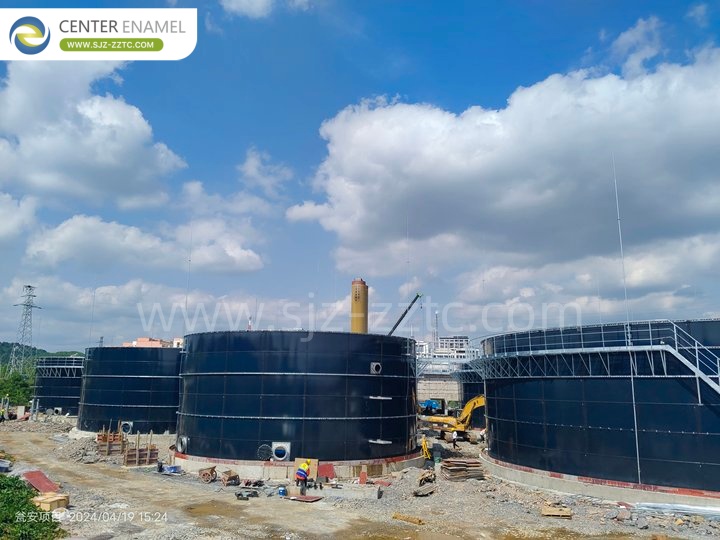
Aquatic ecosystems are among the most valuable yet vulnerable environments on Earth, providing habitats for thousands of species and sustaining global biodiversity. However, the continuous influx of untreated domestic, industrial, and agricultural waste threatens these fragile habitats. Implementing comprehensive wastewater treatment is essential to intercept harmful pollutants before they enter natural waterways. By neutralizing toxins, removing excess nutrients, and restoring dissolved oxygen, modern treatment engineering safeguards aquatic species and maintains long-term ecological balance.
The Fragile Balance of Aquatic Ecosystems and Pollution Pressures
Aquatic environments rely on delicate ecological balances to support healthy populations of fish, amphibians, invertebrates, and aquatic flora. Human activities, rapid urbanization, and industrial expansion introduce vast volumes of untreated or poorly treated effluent into rivers, lakes, and coastal waters. This persistent pollution introduces heavy metals, synthetic chemicals, suspended solids, and organic pathogens that disrupt natural habitats. Without robust intervention, these pollutants accumulate in the food chain, causing widespread physiological damage, reducing biodiversity, and driving vulnerable aquatic species toward localized extinction.
Combating Hypoxia and Oxygen Depletion in Natural Waters
One of the most immediate threats posed by untreated wastewater is severe oxygen depletion in aquatic environments. Organic waste entering water bodies triggers rapid proliferation of aerobic bacteria that consume dissolved oxygen faster than natural aeration and photosynthesis can replenish it. This condition, known as hypoxia, creates aquatic "dead zones" where fish and other mobile organisms suffocate, while sessile species perish entirely. Advanced wastewater treatment removes high biological oxygen demand (BOD) and chemical oxygen demand (demand loads before discharge, preserving critical oxygen levels necessary to sustain vibrant aquatic life.
Preventing Eutrophication Caused by Nutrient Overload
Municipal and agricultural wastewaters are typically rich in nitrogen and phosphorus compounds. When discharged without proper nutrient removal, these elements act as potent fertilizers that spark massive algal blooms in natural water bodies. As these dense algal populations die and decompose, microbial respiration consumes virtually all available oxygen, resulting in massive fish kills and the collapse of local ecosystems. Modern biological nutrient removal processes successfully strip excess nitrogen and phosphorus from wastewater, effectively preventing eutrophication and protecting the clarity and health of aquatic habitats.
Neutralizing Toxic Industrial Chemicals and Heavy Metals
Industrial effluents frequently carry hazardous substances, including heavy metals like mercury, lead, and cadmium, alongside complex synthetic organic compounds, phenols, and solvents. Unlike organic matter, these toxic pollutants do not readily break down naturally and tend to bioaccumulate within the tissues of aquatic organisms, multiplying in concentration as they move up the food chain. Advanced industrial wastewater treatment utilizes specialized chemical precipitation, filtration, and advanced oxidation processes to extract these toxic elements, preventing bioaccumulation and protecting both aquatic species and human consumers.
Core Biological and Chemical Wastewater Treatment Processes
Achieving high effluent quality requires sophisticated treatment trains combining physical, chemical, and biological mechanisms. Primary treatment removes large solids and floating debris through screening and sedimentation. Secondary biological processes, such as Activated Sludge, Moving Bed Biofilm Reactors (MBBR), and Sequencing Batch Reactors (SBR), utilize specialized microbial cultures to break down dissolved organic pollutants. Tertiary polishing stages, including sand filtration, membrane separation, and UV disinfection, eliminate residual pathogens and micro-pollutants, ensuring discharged water meets the strictest ecological standards.
The Structural Advantages of GFS Tanks in Wastewater Facilities
Constructing reliable and resilient wastewater treatment facilities demands containment infrastructure that can endure harsh chemical environments and continuous mechanical stress. Glass-Fused-to-Steel (GFS) tanks have established themselves as the premier choice for modern municipal and industrial treatment plants. By fusing high-strength steel with molten glass at extreme temperatures, GFS tanks deliver exceptional resistance to corrosive wastewater, acids, and gases. They offer rapid bolt-on modular installation, zero painting requirements, low maintenance costs, and a long service life, ensuring uninterrupted containment for biological reactors and equalization basins.
Center Enamel: Your Trusted Wastewater Treatment Project Solution Provider
Designing and executing effective wastewater infrastructure requires a capable partner with profound technical knowledge and proven global experience. Center Enamel stands out as a leading wastewater treatment project solution provider, delivering comprehensive engineering, manufacturing, and technical support worldwide. Specializing in high-performance GFS tanks, bolted stainless steel tanks, and integrated environmental equipment, Center Enamel brings decades of expertise to municipal, industrial, and agricultural projects. Their commitment to international quality standards guarantees reliable, customized, and sustainable solutions that protect aquatic environments and empower global water management.
Frequently Asked Questions (FAQ)
Q1: How does untreated wastewater harm fish and aquatic species?
A: Untreated wastewater depletes dissolved oxygen levels causing suffocation, introduces toxic heavy metals and chemicals that bioaccumulate, and causes eutrophication through excess nutrients, destroying natural habitats.
Q2: What role do GFS tanks play in wastewater treatment plants?
A: Glass-Fused-to-Steel (GFS) tanks provide superior corrosion resistance, structural durability, and reliable containment for biological reactors, sedimentation units, and chemical storage within treatment facilities.
Q3: How does Center Enamel assist clients with wastewater treatment projects?
A: Center Enamel serves as a comprehensive project solution provider, offering custom-engineered GFS tanks, professional installation guidance, advanced wastewater equipment, and decades of global engineering expertise.