
How Is Biogas Converted to CNG? A Complete Guide to Bio-CNG Production
Biogas, produced through the anaerobic digestion of organic waste, is a renewable energy source with enormous potential. However, raw biogas contains only 55–70% methane, along with carbon dioxide, hydrogen sulfide, moisture, and other impurities that make it unsuitable for direct use as a vehicle fuel or for injection into natural gas grids.
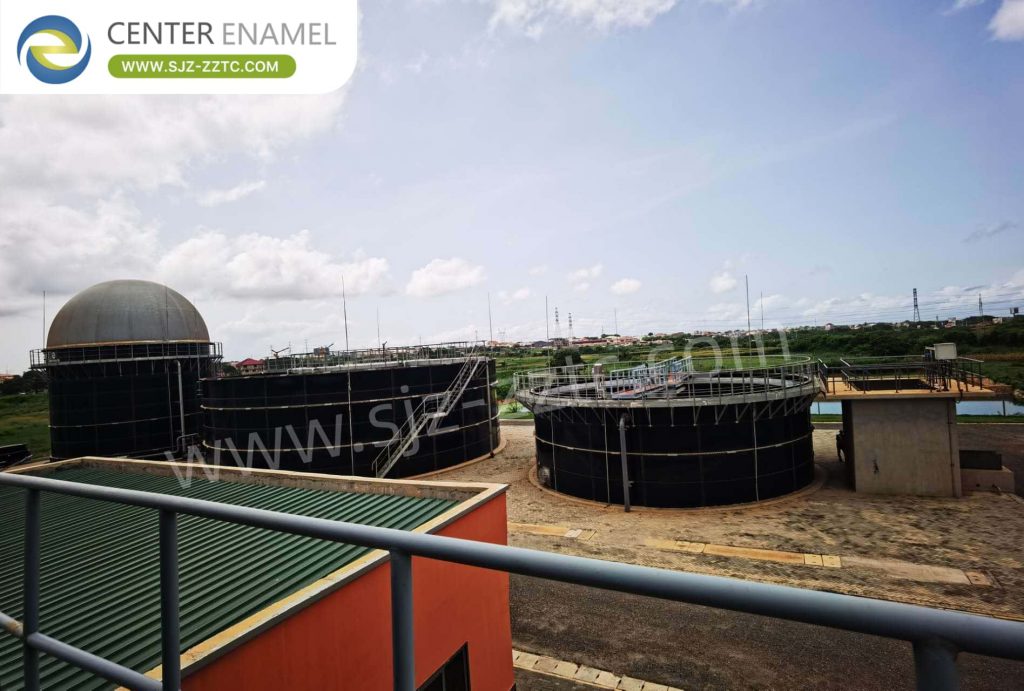
Converting biogas to CNG-often called Bio-CNG or compressed biomethane-transforms this raw gas into a high-quality, renewable fuel that can power vehicles, generate electricity, and serve industrial applications. This process addresses two critical challenges: waste management and sustainable energy production.
This article explains the complete conversion pathway from raw biogas to CNG, covering the purification technologies, upgrading methods, compression requirements, and practical applications.
What Is Bio-CNG and Why Does It Matter?
Bio-CNG (also known as Compressed Biomethane Gas or CBG) is purified and compressed biogas with a methane content exceeding 90%, typically reaching 95–97%. It meets the quality specifications for automotive CNG, making it a drop-in renewable replacement for fossil-based natural gas.
The significance of Bio-CNG lies in its dual environmental benefit. First, it captures methane that would otherwise be released from decomposing organic waste-methane has a global warming potential 28–34 times higher than CO2 over a 100-year period. Second, when used as vehicle fuel, Bio-CNG produces significantly lower greenhouse gas emissions compared to conventional fuels.
Studies have shown that CBG can reduce tank-to-wheel greenhouse gas emissions by approximately 24% compared to CNG, with even greater reductions possible depending on the feedstock and production pathway.
Step 1: Raw Biogas Production Through Anaerobic Digestion
The journey to Bio-CNG begins with anaerobic digestion-a biological process where microorganisms break down organic matter in the absence of oxygen. Feedstocks include agricultural waste, animal manure, food waste, sewage sludge, and municipal solid waste.
The resulting raw biogas typically contains:
Methane (CH₄): 55–70%
Carbon dioxide (CO₂): 30–45%
Hydrogen sulfide (H₂S): 0–5,000 ppm
Moisture: saturated
Trace impurities: ammonia, siloxanes, volatile organic compounds
Raw biogas is not suitable for compression or vehicle use without treatment. The CO2 content reduces energy density, H2S is corrosive to equipment, and moisture can cause operational issues.
Step 2: Pre-Treatment and Impurity Removal
Before the main upgrading process, raw biogas undergoes pre-treatment to remove harmful contaminants.
Desulfurization is critical because hydrogen sulfide is highly corrosive. Common methods include:
Iron oxide adsorption: H2S reacts with iron oxide to form iron sulfide, which can be regenerated
Biological desulfurization: Sulfur-oxidizing bacteria convert H2S to elemental sulfur
Chemical scrubbing: Using caustic solutions to absorb H2S
The goal is to reduce H2S content to below 5 mg/Nm³ to protect downstream equipment.
Moisture removal follows desulfurization. Condensers and separators cool the gas, causing water vapor to condense and be removed. Silica gel or molecular sieves may be used for final drying.
Particulate filtration removes any solid particles or aerosols carried over from the digester.
Step 3: Upgrading-Separating CO2 from Methane
The core of biogas-to-CNG conversion is upgrading, where CO2 is separated from methane to produce a high-purity biomethane stream. Several mature technologies are available for this purpose.
Table 1: Comparison of Biogas Upgrading Technologies
| Technology | Principle | Methane Purity | Methane Recovery | Key Advantages | Key Limitations |
| Water Scrubbing | CO2 dissolves in water under pressure | 95–98% | 98–99% | Simple operation, no chemicals | High water consumption, large footprint |
| Pressure Swing Adsorption (PSA) | CO2 adsorbs onto porous materials at high pressure | 95–98% | 96–98% | Low energy consumption, compact | Requires pre-treatment, adsorbent replacement |
| Membrane Separation | Selective permeability of membranes | 90–96% | 90–95% | Compact, modular, low maintenance | Lower methane purity, multi-stage may be needed |
| Chemical Absorption (Amine) | CO2 reacts with amine solutions | 99%+ | 99%+ | Highest purity, fast kinetics | High energy for regeneration, chemical handling |
| Cryogenic Separation | CO2 condenses at low temperature | 99%+ | 98–99% | Very high purity | High energy consumption, complex process |
Water scrubbing and pressure swing adsorption are considered the best technologies with respect to cost and operational simplicity. The choice depends on plant scale, desired purity, and local conditions.
Step 4: Compression to CNG
After upgrading, the biomethane must be compressed to the high pressures required for CNG storage and distribution. This typically involves multi-stage compressors that raise the pressure from near-atmospheric to 200–250 bar.
Compression serves two purposes: it reduces the gas volume for efficient storage and transport, and it meets the pressure requirements for vehicle refueling. At 250 bar, biomethane can be stored in cylinders and dispensed using pressure differential systems at refueling stations.
The compression step is energy-intensive, and the energy required increases exponentially with pressure. For a typical Bio-CNG plant, compression may account for a significant portion of total operating costs.
The Complete Conversion Pathway
Table 2: Biogas to CNG Conversion-Process Overview
| Stage | Process | Output | Key Parameters |
| 1. Production | Anaerobic digestion of organic waste | Raw biogas (55–70% CH₄) | Mesophilic (35–40°C) or thermophilic (55–60°C) |
| 2. Pre-treatment | Desulfurization, moisture removal, filtration | Clean biogas (H₂S < 5 mg/Nm³) | Iron oxide, biological, or chemical scrubbing |
| 3. Upgrading | CO2 separation via scrubbing, PSA, or membranes | Biomethane (≥95% CH₄) | Water scrubbing, PSA, membrane, amine, cryogenic |
| 4. Compression | Multi-stage compression | Bio-CNG (200–250 bar) | Energy-intensive; exponential pressure relationship |
| 5. Storage & Distribution | Cylinder storage, cascade filling | Fuel-grade Bio-CNG | Compatible with existing CNG infrastructure |
Economic Considerations for Biogas-to-CNG Projects
The economic viability of converting biogas to CNG depends on several factors. Capital expenditure includes the digester, upgrading equipment, compressors, and storage systems. For a wet anaerobic digestion design, the AD section dominates capital costs, followed by the upgrading and compression equipment.
Operating expenditure includes feedstock procurement, energy for compression, maintenance, and labor. Studies indicate that a biogas plant producing 35 Nm³/h of raw biogas can achieve Bio-CNG fuel costs of approximately €1.51/kg when operating at 70% capacity.
Market prices for Bio-CNG at refueling stations vary by region. In Europe, gross prices around €1.49/kg have been reported, with net prices after tax deductions near €0.95/kg. Policy incentives, carbon credits, and renewable fuel quotas can significantly improve project economics.
Applications of Bio-CNG
Transportation fuel: Bio-CNG can power CNG vehicles without modification. Experimental studies have shown comparable fuel economy, power, and acceleration compared to fossil CNG, with lower NOx and non-methane hydrocarbon emissions.
Grid injection: After upgrading, biomethane can be injected into natural gas distribution networks, leveraging existing infrastructure for widespread distribution.
Industrial use: Bio-CNG serves as a clean fuel for industrial heating, power generation, and as a feedstock for chemical production.
On-farm utilization: Agricultural operations can produce Bio-CNG for their own vehicles, tractors, and equipment, achieving energy independence and reducing operational carbon footprints.
Conclusion
Converting biogas to CNG transforms a variable, low-quality waste gas into a high-value renewable fuel. The process involves four essential stages: pre-treatment to remove corrosive impurities, upgrading to separate CO2 and concentrate methane, compression to 200–250 bar, and storage for distribution.
Technologies like water scrubbing, PSA, and membrane separation have reached commercial maturity, enabling Bio-CNG production at scales ranging from small farms to large industrial facilities. While capital costs remain significant, the environmental benefits-including waste valorization, methane capture, and reduced greenhouse gas emissions-make Bio-CNG an increasingly attractive component of the renewable energy transition.
Interested in exploring Bio-CNG opportunities for your operation? Our team can help you evaluate feedstock availability, technology options, and project economics. Contact us today to discuss how converting biogas to CNG can reduce your carbon footprint and create new revenue streams.
Ready to take the next step toward renewable fuel production? Reach out to our biogas specialists for a personalized assessment of your project.
FAQ
What is the difference between biogas and Bio-CNG?
Biogas is the raw gas produced from anaerobic digestion, containing 55–70% methane along with CO2, H2S, and moisture. Bio-CNG is biogas that has been purified to over 90–97% methane and compressed to 200–250 bar. Bio-CNG is a high-quality fuel suitable for vehicles and gas grids, while raw biogas requires treatment before such applications.
How much does it cost to convert biogas to CNG?
The cost varies significantly by plant scale, technology, and location. Capital costs for upgrading and compression equipment are substantial, and operating costs include energy for compression and maintenance. Recent studies suggest Bio-CNG production costs of approximately €1.51/kg for small-scale on-farm plants, though larger facilities can achieve economies of scale. Government incentives and carbon credits can improve project economics.
Can Bio-CNG be used in regular CNG vehicles?
Yes. Bio-CNG meets the same quality specifications as fossil CNG and can be used in CNG vehicles without modification. Experimental testing has confirmed comparable performance in terms of power, acceleration, and fuel economy, with some studies showing lower NOx and hydrocarbon emissions compared to fossil CNG.