
How Is Biogas Converted to Power?
Biogas is converted to power mainly by a reciprocating gas engine in a combined heat and power (CHP) unit, delivering about 35–45% electrical and 80–90% total efficiency, with microturbines, fuel cells, and organic Rankine cycles used at smaller or niche sites. CHP is the proven default because it uses the gas where it is produced.
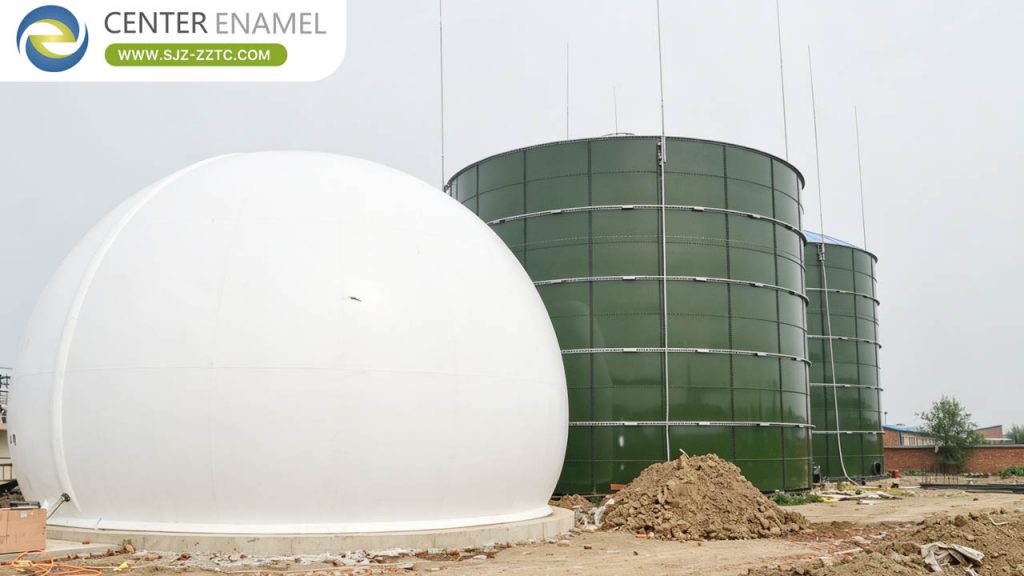
The Gas-Engine CHP Default
A lean-burn gas engine burns cleaned biogas and drives a generator; the jacket- and exhaust-heat are recovered for digester heating or buildings. At 35–45% electrical and 80–90% total efficiency, it is the workhorse for plants from a few hundred kWe to several MWe. Maintenance runs roughly $0.015–0.045 per kWh of electricity produced.
Microturbines
Small gas turbines (tens to hundreds of kWe) offer low maintenance and good heat quality, but lower electrical efficiency (often 20–30%) than reciprocating engines. They suit sites wanting compact, low-vibration units with steady mid-grade heat, though specific cost per kW is higher.
Fuel Cells (SOFC)
Solid-oxide fuel cells can convert biogas-derived hydrogen or reformed gas electrochemically at potentially 40–50%+ electrical efficiency, with very low emissions and quiet operation. They are emerging for premium, high-value sites rather than commodity power, and still carry higher capital and integration complexity.
Organic Rankine Cycle (ORC)
Where only low-grade heat is available (exhaust or process heat without a direct gas engine), an ORC recovers that heat into electricity at modest efficiency. It is a complement for heat streams that would otherwise be wasted, not a primary biogas-to-power route.
Comparative Data Table: Biogas-to-Power Technologies
| Technology | Electrical eff. | Typical scale | Best for |
| Reciprocating gas engine CHP | 35–45% | 100 kWe–MWe | default, steady gas |
| Microturbine | 20–30% | 30–300 kWe | compact, low-maintenance |
| SOFC fuel cell | 40–50%+ | tens–hundreds kWe | premium efficiency |
| ORC (heat recovery) | low | any waste-heat site | unused heat to power |
Technical Considerations
Gas cleanup decides engine life: H₂S must be controlled (corrosion, catalysts), and siloxanes removed (abrasive deposits). CHP must be sized to steady biogas flow, not peaks, and heat must have a use or efficiency falls. Fuel cells and ORC add integration steps (reforming, heat exchangers).
Advantages and Limitations
CHP gives the fastest, most reliable payback and supports energy neutrality; microturbines cut maintenance; fuel cells offer top efficiency; ORC salvages waste heat. Limits: engine wear from impurities, the need for steady gas, and that very small or intermittent flows suit none of these well without storage.
Best Practices / How to Convert Well
Clean the gas before the machine, size CHP to steady flow, and put every joule of recoverable heat to use. Add microturbines or fuel cells only where their specific strengths (low maintenance, high efficiency) justify cost, and use ORC to mop up heat that would otherwise be lost.
Biogas is converted to power chiefly by reciprocating gas-engine CHP at 35–45% electrical and 80–90% total efficiency, with microturbines, fuel cells, and ORC filling specific niches. CHP remains the default because it turns recovered methane into on-site power and heat with proven reliability.
Frequently Asked Questions (FAQ)
Q1: How is biogas converted to power?
A: Mainly by a gas-engine CHP unit (35–45% electrical, 80–90% total); microturbines, fuel cells, and ORC are niche alternatives for smaller or heat-recovery sites.
Q2: Which technology is the default?
A: Reciprocating gas-engine CHP—proven, scalable from ~100 kWe up, and it uses the gas on site where recovery happens.
Q3: Are fuel cells used for biogas?
A: Yes—SOFC fuel cells can reach 40–50%+ electrical efficiency from reformed biogas, but higher capital keeps them for premium, high-value sites.
Q4: What happens to the waste heat?
A: CHP recovers jacket and exhaust heat for digester heating and buildings; ORC can convert leftover low-grade heat into extra electricity.
Q5: How much does CHP maintenance cost?
A: About $0.015–0.045 per kWh of electricity produced—lower on large units (>500 kWe), higher on small ones (<100 kWe).
Q6: Does gas quality matter for power?
A: Critically—H₂S and siloxanes must be removed to protect engines and catalysts; poor cleanup shortens equipment life regardless of technology.
Project Case Reference
Malaysia Biogas Project — Malaysia · 2026
5 GFS Tanks · 27,000 m³ Total Volume · 22,000 m³ Biogas/Day
A large-scale biogas project in Malaysia featuring 5 Glass-Fused-to-Steel (GFS) tanks. The project achieves approximately 80% digestibility, with each single tank producing about 4,400 m³ of biogas daily, totaling 22,000 m³ per day across all 5 tanks.
Technical Specifications
Single Tank Volume: 5,400 m³ (Ø24.46 × 12 m)
Total Effective Volume: 27,000 m³ (5 tanks)
Daily Biogas Production: 22,000 m³ total
Digestibility: ≈ 80%
Gas Production Rate: 0.45 m³ / kg COD removed
Tank Type: Glass-Fused-to-Steel (GFS)
Water Quality Data
| Parameter | Inlet Water | Effluent |
| COD | ≥ 60,000 mg/L | ≥ 12,000 mg/L |
| BOD | ≤ 25,000 mg/L | ≤ 5,000 mg/L |