
How Is CNG Different from Biogas? A Complete Comparison Guide
The terms CNG and biogas are often used interchangeably in conversations about renewable energy and alternative fuels-but they are not the same thing. Confusing the two can lead to poor decisions about equipment, fuel quality, and infrastructure investment.
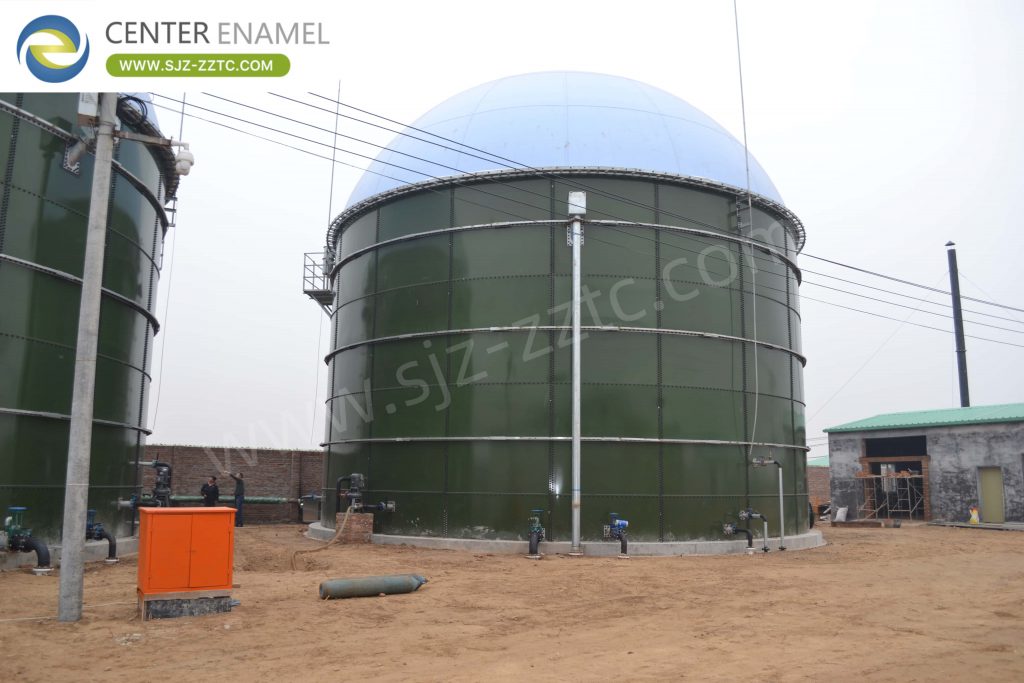
Biogas is the raw, untreated gas produced when organic matter decomposes without oxygen. CNG (Compressed Natural Gas) is a high-purity, high-pressure fuel used in vehicles and industrial systems. While biogas can be converted into a CNG-like fuel (often called Bio-CNG or CBG), raw biogas and CNG differ significantly in composition, energy content, and handling requirements.
This article breaks down how CNG is different from biogas, covering their origins, chemical makeup, energy density, processing requirements, and real-world applications.
What Is Biogas?
Biogas is a renewable gas produced through anaerobic digestion-a biological process in which microorganisms break down organic matter in the absence of oxygen. Common feedstocks include animal manure, agricultural residues, food waste, sewage sludge, and landfill waste.
Raw biogas is a mixture of gases, not a single fuel. Its typical composition includes:
Methane (CH₄): 50–70%
Carbon dioxide (CO₂): 30–50%
Hydrogen sulfide (H₂S): trace to several thousand ppm
Moisture: saturated
Other traces: ammonia, siloxanes, nitrogen, oxygen
Because of its high CO₂ content and corrosive impurities, raw biogas has a low energy density and cannot be used directly in most engines or vehicle fuel systems without treatment.
What Is CNG?
CNG (Compressed Natural Gas) is natural gas that has been compressed to less than 1% of its volume at standard atmospheric pressure, typically stored at 200–250 bar. It is primarily composed of methane (85–95%), with small amounts of ethane, propane, nitrogen, and CO₂.
CNG is sourced from fossil natural gas reserves extracted from underground formations. It is a mature, standardized fuel with well-established quality specifications, distribution networks, and vehicle technology. CNG is widely used in buses, trucks, taxis, and passenger cars, particularly in markets with abundant natural gas and limited oil reserves.
Key Difference 1: Origin and Source
The most fundamental difference is where each gas comes from.
Biogas is biogenic and renewable-it is produced continuously from organic waste streams. Its carbon originates from recently living plants and animals, forming part of a short-term carbon cycle.
CNG is fossil-based and non-renewable-it is extracted from geological reserves formed over millions of years. Burning fossil CNG releases carbon that was previously locked underground, contributing to net greenhouse gas accumulation.
This distinction matters for climate policy, carbon accounting, and renewable fuel incentives.
Key Difference 2: Composition and Purity
Biogas and CNG differ dramatically in methane concentration and impurity levels.
Table 1: Composition Comparison-Raw Biogas vs CNG vs Bio-CNG
| Parameter | Raw Biogas | Fossil CNG | Bio-CNG (Upgraded Biogas) |
| Methane (CH₄) | 50–70% | 85–95% | 90–97% |
| Carbon Dioxide (CO₂) | 30–50% | 1–3% | <2% |
| Hydrogen Sulfide (H₂S) | 0–5,000 ppm | Negligible | <5 mg/Nm³ |
| Moisture | Saturated | Very low | Dew point controlled |
| Energy Density | Low | High | High |
| Corrosivity | High (H₂S, moisture) | Low | Low |
Raw biogas contains roughly half the methane of CNG. That means a given volume of biogas delivers far less energy than the same volume of CNG. The CO₂ and H₂S in biogas also make it corrosive and unsuitable for standard engines and pipelines without treatment.
Key Difference 3: Energy Content and Calorific Value
Energy content is one of the most practical differences.
Table 2: Energy and Physical Properties Comparison
| Property | Raw Biogas | CNG | Bio-CNG |
| Calorific Value | 20–25 MJ/m³ | 36–40 MJ/m³ | 36–40 MJ/m³ |
| Wobbe Index | Low and variable | Standardized | Near CNG standard |
| Storage Pressure | Near atmospheric | 200–250 bar | 200–250 bar |
| Vehicle Compatibility | Not suitable | Fully compatible | Fully compatible |
| Pipeline Injection | Not suitable | Compatible | Compatible after upgrading |
Because raw biogas has a calorific value of only about 20–25 MJ/m³, it delivers roughly half the energy of CNG per unit volume. This is why biogas must be upgraded-CO₂ removed-before it can compete with CNG as a fuel.
Key Difference 4: Processing Requirements
CNG from fossil sources typically requires only dehydration and minor treatment before compression. Biogas, by contrast, requires a multi-stage treatment train:
Desulfurization to remove corrosive H₂S
Drying to remove moisture
CO₂ separation via water scrubbing, PSA, membranes, or amine absorption
Compression to 200–250 bar if vehicle fuel is the goal
Only after this upgrading process does biogas become Bio-CNG (CBG), a fuel that is chemically and functionally comparable to fossil CNG. In other words, raw biogas is not CNG-it must be converted first.
Key Difference 5: Applications
The two gases serve different end uses because of their different quality levels.
Raw biogas applications:
Direct combustion in boilers and kilns
Electricity generation in modified gas engines
Cooking in simple rural digesters
Flare systems where utilization is not viable
CNG and Bio-CNG applications:
Vehicle fuel (buses, trucks, cars, three-wheelers)
City gas distribution networks
Industrial heating and process fuel
Feedstock for hydrogen and chemicals
Raw biogas cannot be used in a CNG vehicle without upgrading. Conversely, CNG and Bio-CNG are interchangeable at the pump, which is why Bio-CNG is often described as a drop-in renewable replacement for fossil CNG.
Key Difference 6: Environmental Impact
Both fuels burn more cleanly than diesel or coal, but their climate profiles differ.
Biogas captures methane that would otherwise escape from decomposing waste. Since methane has a global warming potential roughly 28–34 times that of CO₂ over 100 years, capturing it delivers a strong near-term climate benefit. When upgraded to Bio-CNG, the fuel can be carbon-neutral or even net climate-positive.
Fossil CNG produces lower CO₂, NOx, and particulate emissions than diesel, but it still adds fossil carbon to the atmosphere. It is a cleaner-burning fossil fuel, not a renewable one.
Key Difference 7: Cost and Infrastructure
CNG benefits from decades of infrastructure development-pipelines, refueling stations, compressors, and standardized vehicles. Its price is linked to natural gas markets and is relatively predictable.
Biogas production is decentralized and often tied to specific waste streams. The cost of upgrading and compression can be substantial, and Bio-CNG economics depend on feedstock availability, plant scale, and policy support. However, government incentives, carbon credits, and renewable fuel mandates increasingly improve the business case.
Conclusion
So, how is CNG different from biogas? The short answer: biogas is a raw, renewable, low-methane gas produced from organic waste, while CNG is a high-purity, high-pressure fuel composed mostly of methane. Raw biogas contains only 50–70% methane and cannot power a CNG vehicle without upgrading. Once purified and compressed, however, biogas becomes Bio-CNG-a renewable fuel that is functionally identical to fossil CNG and can use the same infrastructure.
Understanding this difference is essential for anyone evaluating fuel options, planning a biogas project, or investing in CNG infrastructure.
Want to know whether biogas or CNG is the right fit for your project? Our specialists can assess your feedstock, energy needs, and infrastructure to recommend the most cost-effective solution. Contact us today to request a free consultation.
Ready to turn your organic waste into a high-value renewable fuel? Reach out to our team to explore Bio-CNG feasibility, upgrading technology, and project economics tailored to your operation.
FAQ
Is biogas the same as CNG?
No. Biogas is the raw gas produced from anaerobic digestion, containing 50–70% methane plus CO₂, H₂S, and moisture. CNG is compressed natural gas with 85–95% methane and very low impurities. Biogas must be upgraded and compressed before it becomes a CNG-equivalent fuel (Bio-CNG).
Can biogas be used directly as a vehicle fuel?
Not in standard CNG vehicles. Raw biogas has low energy density and contains corrosive H₂S and moisture that damage engines and fuel systems. It must first be purified to remove CO₂ and impurities, then compressed to 200–250 bar. Only then can it be used as Bio-CNG in CNG vehicles.
Which is better for the environment, biogas or CNG?
Biogas offers stronger climate benefits when it is captured and upgraded, because it prevents methane emissions from organic waste and is renewable. Fossil CNG burns cleaner than diesel but still adds fossil carbon to the atmosphere. Bio-CNG combines the best of both: CNG-level performance with renewable, low-carbon origins.