
From Waste to Water: How is Dairy Wastewater Treated and Disposed Of?
The dairy industry is a cornerstone of global food production, but it comes with a significant environmental challenge: wastewater. For every liter of milk processed, the industry generates between one and three liters of wastewater . This effluent, laden with high concentrations of organic matter, fats, proteins, and nutrients like nitrogen and phosphorus, is a potent pollutant . But how is this complex waste stream treated, and where does it ultimately go?
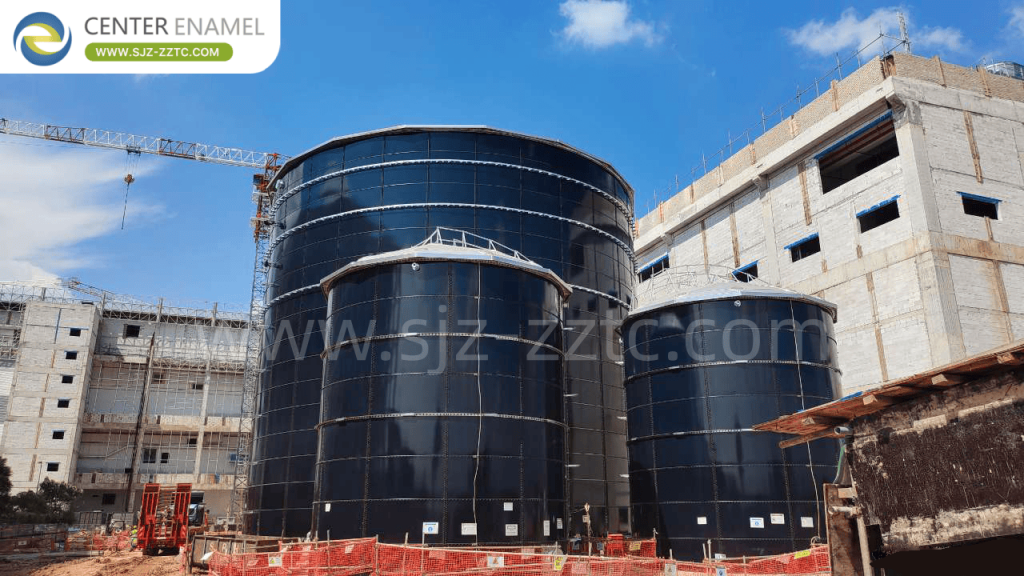
Treating dairy wastewater is a multi-stage process designed to remove pollutants to a level safe for discharge into the environment or, increasingly, for reuse within the facility. This article explores the full treatment journey, from the initial separation of solids to the advanced technologies that are turning this waste into a valuable resource .
The Composition Challenge: Why Treatment is Complex
Before diving into the "how," it's essential to understand the "what." Dairy wastewater is characterized by a high organic load, measured by parameters like Biochemical Oxygen Demand (BOD) and Chemical Oxygen Demand (COD). These high values come from milk residues (proteins, fats, and lactose) that are washed away during processing . The wastewater's composition and flow rate can also vary dramatically depending on the products being made (e.g., cheese vs. milk powder) and the cleaning cycles, making a "one-size-fits-all" treatment approach impossible .
Primary Treatment: The First Line of Defense
The treatment process typically begins with physical separation methods to remove large solids and debris. This stage is crucial to protect downstream equipment and prevent clogging. It involves processes like screening (removing large particles), grit removal, and sedimentation, where heavier solids sink to the bottom of a tank as sludge . This primary treatment reduces the suspended solids load but does little to address the dissolved organic matter.
Secondary (Biological) Treatment: The Heart of the Process
Biological treatment is the most common method for dealing with the high organic load in dairy wastewater. It uses microorganisms to consume and break down the organic pollutants . The European Union’s Best Available Techniques (BAT) guidelines for the dairy industry specifically recommend biological processes as a core treatment step .
Constructed Wetlands
Constructed wetlands (CWs) are an effective, nature-based, and low-cost solution for biological treatment . They consist of engineered beds of plants, soil, and gravel that mimic natural wetlands. Wastewater flows through the system, where pollutants are removed through various mechanisms like sedimentation, plant uptake, and microbial degradation. A decade-long study showed that an integrated lagoon + CW system in a dairy industry removed over 98% of COD, BOD5, and TSS for the first seven years of operation . However, the study also noted that efficiency declined after seven years due to clogging, indicating a need for periodic maintenance and substrate replacement .
Activated Sludge Systems
Activated sludge (AS) is a conventional and reliable aerobic biological treatment process . Air (or oxygen) is pumped into a tank containing the wastewater and a mixed population of microorganisms. These microbes form "flocs" (sludge) that consume the organic matter. While effective, AS systems can be energy-intensive due to the need for constant aeration and are sensitive to process fluctuations .
Algae-Based Treatment (Phycoremediation)
Algae-based systems are an emerging and promising biological treatment option. Microalgae can be cultivated in dairy wastewater, using the nutrients (nitrogen and phosphorus) and organic matter for growth . This process, known as phycoremediation, results in nutrient removal and the production of algal biomass, which can be used for bioenergy or other valuable products . A meta-analysis comparing different biological methods found that combining algae and activated sludge systems (AS + ALGAE) exhibited the highest COD removal efficiency .
Advanced and Physicochemical Treatment: Polishing the Effluent
While biological treatment can significantly reduce organic loads, advanced methods are often required for stricter discharge standards or for water reuse.
Membrane Filtration
Membrane technologies like microfiltration (MF) and reverse osmosis (RO) are powerful physical separation processes . They act as a physical barrier, allowing water to pass through while trapping pollutants. A recent study demonstrated that an integrated MF + RO system could treat dairy wastewater, achieving nearly 90% water recovery suitable for reuse within the dairy plant . However, one challenge is the management of the concentrated retentate (sludge) that remains after filtration .
Ozonation and Advanced Oxidation
Advanced oxidation processes (AOPs) use highly reactive species, such as ozone (O3), to break down complex organic pollutants and pathogens . Ozone is a powerful oxidant that can effectively remove color, odor, and bacteria. When combined with other processes like membrane filtration, it offers a robust solution for producing high-quality treated effluent .
Disposal and Resource Recovery: A Shift Towards the Circular Economy
Once treated, the final effluent is typically discharged into a water body. However, increasingly stringent regulations are driving the industry towards resource recovery and water reuse.
Water Reuse
Treated dairy wastewater can be reused for non-potable purposes within the plant, such as cleaning equipment, floors, and external areas . This significantly reduces the plant's overall water footprint. A case study found that recirculating treated cattle wastewater for cleaning achieved up to 99.61% water savings .
Nutrient Recovery
The sludge generated during treatment is rich in nutrients like nitrogen and phosphorus, making it a potential source of biofertilizer . Advanced techniques can even recover phosphorus in the form of struvite, a slow-release fertilizer, from the liquid digestates produced during anaerobic treatment .
Anaerobic Digestion
Anaerobic digestion is a biological process that breaks down organic matter in the absence of oxygen, producing biogas (methane-rich) . This biogas can be captured and used as a renewable energy source to power the dairy plant or generate heat, turning a waste product into a valuable commodity .
Conclusion
The journey of dairy wastewater from a pollutant to a potential resource involves a sophisticated combination of physical, biological, and advanced treatment technologies. From simple screening to highly engineered membrane systems, the goal is to protect our waterways by meeting discharge standards and, increasingly, to embrace the circular economy. By recovering water, nutrients, and energy from this effluent, the dairy industry is not only reducing its environmental impact but also creating new economic opportunities. The future of dairy wastewater management lies in treating it not as waste, but as a resource.
Frequently Asked Questions (FAQ)
1. What is the primary goal of treating dairy wastewater?
The primary goal is to reduce the concentration of pollutants, especially the high organic matter (BOD/COD), fats, and nutrients (nitrogen and phosphorus), to levels that are safe for discharge into the environment. Increasingly, the goal is also to treat the water to a quality suitable for reuse within the facility .
2. What are the main types of treatment used for dairy wastewater?
The treatment train typically involves three stages:
Primary: Physical separation of solids (screening, sedimentation).
Secondary (Biological): Using microorganisms to break down organic matter. Common methods include activated sludge, constructed wetlands, and algae-based systems .
Tertiary (Advanced): Polishing the effluent to a high quality using methods like membrane filtration (MF/RO), ozonation, and nutrient recovery .
3. What happens to the sludge and byproducts from treatment?
The sludge generated is often processed further. It can be sent to an anaerobic digester to produce biogas (renewable energy). Alternatively, it can be treated and used as a biofertilizer or soil conditioner due to its high nitrogen and phosphorus content. In some cases, the concentrated sludge is dewatered and sent to a landfill .