
How Is Digitalization Changing Biogas Plants? IoT, AI Control, and Predictive O&M
Digitalization is shifting biogas plants from manual, reactive operation to sensor-driven, predictive control: IoT meters on gas, flow, and biology feed AI models that trim H₂S, stabilize pH, and lift methane yield 5–12%, while predictive maintenance cuts unplanned downtime 30–50%. A digital twin lets operators test feedstock mixes and setpoints before they reach the reactor, turning the digester into a continuously optimized, remotely supervised asset.
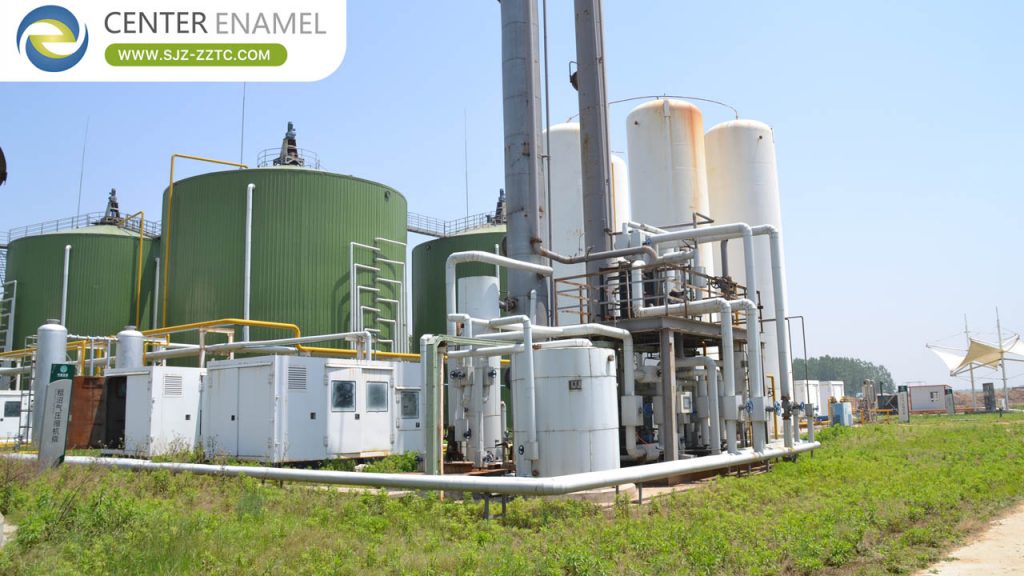
The Sensor and Data Layer
Edge sensors now track biogas flow and composition (CH₄/CO₂/H₂S), digester temperature, pH, volatile fatty acids (VFA), and total ammonia nitrogen in near real time. LoRaWAN and 4G gateways push data to a cloud historian at 1–5 minute resolution. This dense signal is what makes AI control possible—without reliable measurement, optimization guesses; with it, the model detects inhibition hours before it would have stalled gas production.
Comparative Data Table: Manual vs Digital Operation
| Metric | Manual | Digital + AI | Change |
| Methane yield | Baseline | +5–12% | Higher |
| Unplanned downtime | Baseline | −30–50% | Lower |
| OPEX per m³ gas | Baseline | −8–15% | Lower |
AI Control, Digital Twins, and Predictive O&M
AI controllers adjust feed rate, mixing, and heating against VFA/pH trends to keep the digester in its stable window; a digital twin mirrors the plant so engineers simulate a new co-substrate or setpoint risk-free. Predictive maintenance scores pump, agitator, and engine health from vibration and temperature, scheduling service before failure. The combined effect is steadier yield, fewer emergency callouts, and a smaller O&M team running more capacity per shift.
Frequently Asked Questions (FAQ)
Q1: What is a digital twin for biogas?
A: A digital twin is a live software model of the plant—digester, gas train, and engine—fed by sensor data. Operators use it to simulate feedstock changes or setpoint moves safely before applying them, de-risking optimization and training.
Q2: How does AI improve biogas yield?
A: AI tunes feed rate, mixing, and heating against real-time VFA and pH trends, holding the digester in its stable window. Plants typically see methane yield rise 5–12% and OPEX fall 8–15% versus manual control.
Q3: Can sensors predict digester failure?
A: Yes. Tracking VFA, pH, ammonia, and temperature catches inhibition hours early, and vibration/temperature monitoring on pumps and engines flags impending failure so maintenance is scheduled, not emergency, cutting downtime 30–50%.
Q4: Is digitalization expensive to retrofit?
A: Moderate. Edge sensors and a cloud historian are low-CAPEX; payback usually comes in 1–3 years from yield gains and avoided downtime. Wireless LoRaWAN links keep installation non-disruptive on live reactors.