
How Is Poultry Wastewater Treated? Treatment Technologies and Compliance Complete Guide
Poultry processing generates billions of gallons of nutrient-rich wastewater annually, with approximately 7 gallons produced per chicken processed. This high-strength effluent contains fats, oils, grease, organic matter, nitrogen, phosphorus, and potentially harmful pathogens that must be properly treated before discharge or reuse. Understanding how poultry wastewater is treated is essential for facility managers, environmental engineers, and compliance officers seeking cost-effective solutions that meet increasingly stringent regulations.
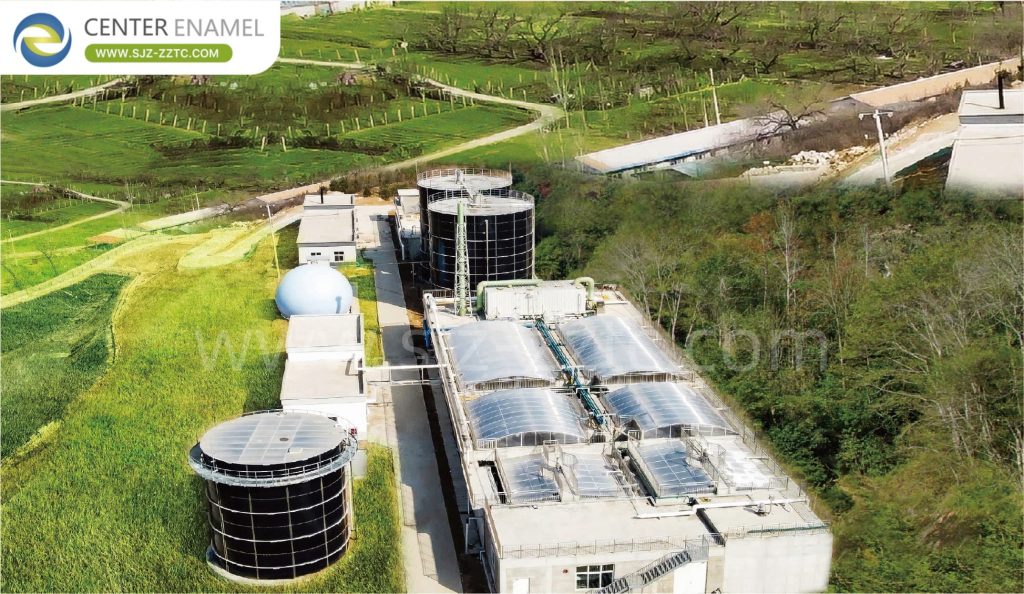
What Makes Poultry Wastewater So Challenging?
Poultry slaughterhouse wastewater (PSWW) is classified as medium-to-high strength effluent, characterized by elevated concentrations of organic matter, suspended solids, and nutrients. The composition varies significantly depending on the processing stage—defeathering, evisceration, and cooling all contribute different pollutant loads.
Untreated PSWW poses serious environmental risks. When discharged without proper treatment, it depletes oxygen in receiving waters, causes eutrophication, contaminates groundwater, and can spread waterborne diseases. These challenges make effective treatment not just a regulatory requirement but an environmental necessity.
The following table summarizes typical pollutant concentrations found in composite poultry processing wastewater:
| Parameter | Typical Range | Environmental Concern |
| COD | 2,360 – 5,126 mg/L | Oxygen depletion |
| BOD₅ | 930 – 2,477 mg/L | Organic pollution |
| TSS | 835 – 1,654 mg/L | Sedimentation, turbidity |
| FOG | 281 – 715 mg/L | Pipe blockage, treatment inhibition |
| TDS | 515 – 1,138 mg/L | Salinity impacts |
| pH | 6.13 – 6.8 | Aquatic life effects |
Primary Treatment: Physical Separation and Pre-Treatment
Primary treatment focuses on removing gross solids, fats, oils, and grease (FOG) that could interfere with downstream biological processes. This stage typically includes screening, sedimentation, and dissolved air flotation (DAF).
Screening removes large debris such as feathers, bone fragments, and other solids that enter the wastewater stream during processing. Fine screens with openings typically ranging from 0.5 to 6 mm capture these materials before they damage pumps or clog downstream equipment.
Dissolved Air Flotation (DAF) is widely used in poultry processing facilities as a primary treatment step. DAF systems inject air bubbles into the wastewater, causing fats, oils, and suspended solids to float to the surface where they can be skimmed off. The recovered material, known as DAF sludge, contains valuable proteins and fats that can potentially be recovered for use in animal feed or biogas production.
Many commercial poultry facilities employ DAF as their initial treatment step. In fact, some research studies collect wastewater from the effluent of existing DAF units at commercial processing plants for further treatment investigations.
Secondary Treatment: Biological and Advanced Technologies
Secondary treatment targets dissolved organic matter and nutrients through biological processes. The choice of technology depends on factors including wastewater strength, available space, energy costs, and discharge requirements.
Anaerobic Digestion
Anaerobic digestion is particularly attractive for high-strength poultry wastewater because it converts organic matter into biogas—a renewable energy source. This process breaks down organic compounds in the absence of oxygen, producing methane-rich biogas that can fuel boilers or generate electricity.
Fluence Corporation reports that anaerobic treatment of poultry wastewater can achieve significant energy recovery. For every 1,000 chickens processed per day, approximately 21 Nm³ of biogas (65% methane) can be produced, generating 50 kWh of electrical energy and 55 kWh of thermal energy. This energy recovery can make treatment plants energy self-sufficient while reducing sludge disposal costs by up to 70%.
Activated Sludge and Biological Nutrient Removal
Conventional activated sludge systems use aerobic bacteria to consume organic pollutants, reducing BOD and COD. More advanced configurations incorporate nitrification-denitrification processes to remove nitrogen. However, traditional biological treatment can be slow and requires substantial land area.
Research has demonstrated that single-stage nitrification-denitrification systems can achieve 79% total nitrogen removal from poultry wastewater when operated in up-flow mode with aeration.
Membrane Bioreactors (MBR)
MBR technology combines biological treatment with membrane filtration, producing high-quality effluent suitable for reuse. The membranes retain suspended solids, bacteria, and even some dissolved contaminants, eliminating the need for secondary clarifiers.
Commercial MBR systems for poultry wastewater are available in capacities ranging from 10 to 5,000 m³/day, offering advantages including 24-hour automated operation, low sludge production, and compact footprint.
Advanced Treatment: Electrochemical and Membrane Processes
For facilities seeking higher treatment efficiency, resource recovery, or water reuse, advanced treatment technologies offer promising solutions.
Electrochemical Technology (ET)
Electrochemical treatment, including electrocoagulation (EC) and electro-oxidation (EO), has emerged as a sustainable alternative to traditional chemical treatment. These methods use electrical current to destabilize and remove pollutants without requiring chemical additives.
Electrocoagulation has demonstrated remarkable performance in treating poultry slaughterhouse wastewater, achieving 99% turbidity removal, 99% color removal, and 85% COD removal. The process generates less sludge than chemical coagulation, and the sludge is easier to dewater.
Electro-oxidation is particularly effective for breaking down complex organic compounds, making it suitable for treating wastewater with high organic loads. ET systems are modular and scalable, making them viable for both small and large-scale operations.
A significant advantage of electrochemical treatment is the potential for resource recovery. Research indicates that protein-rich compounds (PRCs) can be recovered from poultry wastewater for use as animal feed, while hydrogen gas generated during the process can serve as a clean energy source.
Membrane Filtration Systems
Advanced membrane processes, including ultrafiltration (UF), forward osmosis (FO), and reverse osmosis (RO), can produce high-purity water suitable for reuse in processing operations. A sequential membrane process (UF-FO-RO) has been investigated specifically for poultry slaughterhouse wastewater treatment, addressing food security and sustainability concerns while enabling water recycling within the facility.
Combined Treatment Systems
Research has demonstrated that combining multiple treatment technologies often yields superior results. A combined system of electrocoagulation, ultrafiltration, and photochemical treatment achieved nearly 100% removal of BOD, COD, and phosphates from poultry slaughterhouse wastewater, with complete eradication of microbiological colonies.
Similarly, a static granular bed reactor coupled with nitrification-denitrification and ultrafiltration achieved 91% COD removal, 97% TSS removal, and 51% phosphate removal over 52 days of operation.
Nutrient Recovery and Water Reuse Opportunities
Modern poultry wastewater treatment increasingly focuses on recovering valuable resources rather than simply treating waste. This shift toward circular economy principles benefits both the environment and facility economics.
Agricultural Reuse: "Poultryponics"
Innovative research has demonstrated that treated poultry processing wastewater can serve as a nutrient solution for hydroponic crop production. A pilot-scale "poultryponics" system operated for over 200 days successfully transformed real poultry wastewater into a pathogen-free nutrient solution suitable for lettuce cultivation.
The treatment train consisted of bioreactors (with microalgae and nitrifying bacteria), clarifiers, membrane filters, UV disinfection, and deep-water hydroponic grow beds. The system eliminated Salmonella and reduced total coliforms by approximately 40%, demonstrating that poultry wastewater nutrients can be safely recovered for food production.
Energy Recovery
Anaerobic digestion of poultry wastewater produces biogas that can offset facility energy costs. The table below summarizes energy recovery potential:
| Production Scale | Biogas (65% CH₄) | Electrical Energy | Thermal Energy |
| 1,000 chickens/day | 21 Nm³ | 50 kWh | 55 kWh |
| 1,000 turkeys/day | 124 Nm³ | 300 kWh | 330 kWh |
Regulatory Compliance and Effluent Limitations
Poultry processing facilities must comply with increasingly stringent regulations governing wastewater discharge. In the United States, the Environmental Protection Agency (EPA) has proposed updated Effluent Limitation Guidelines (ELGs) specifically targeting meat and poultry processing facilities.
Key Regulatory Developments
The proposed federal regulations would establish more stringent limitations for nitrogen and, for the first time, limitations for phosphorus. The guidelines also introduce pretreatment standards for oil and grease, total suspended solids, and biochemical oxygen demand.
These regulations affect both direct dischargers (facilities that discharge directly to waterways) and indirect dischargers (facilities that send wastewater to publicly owned treatment works, or POTWs). The EPA's proposed changes represent a significant shift in regulatory expectations, with potential implications for facility operations and capital investments.
Compliance Strategies
Facilities can pursue multiple strategies to achieve compliance:
Pretreatment before discharge to POTWs, focusing on FOG removal, pH adjustment, and solids reduction
On-site biological treatment for facilities with sufficient land and operational expertise
Advanced treatment technologies for facilities seeking water reuse or facing stringent discharge limits
Land application of properly treated wastewater where permitted, capitalizing on nutrient content for crop irrigation
Choosing the Right Treatment Approach
Selecting an appropriate treatment train depends on several facility-specific factors. There is no universal solution—the optimal approach balances treatment objectives, capital and operating costs, available space, and operational complexity.
Decision Factors
| Factor | Considerations |
| Discharge destination | POTW vs. direct discharge vs. land application |
| Treatment goals | Compliance, reuse, energy recovery, nutrient recovery |
| Wastewater characteristics | Strength, flow rate, variability |
| Space availability | Footprint constraints may favor MBR or electrochemical systems |
| Energy costs | Anaerobic digestion may provide energy savings |
| Operational expertise | Complex systems require trained operators |
| Capital budget | Available funding for equipment and installation |
Facilities should consider pilot testing before full-scale implementation, particularly when adopting advanced technologies. Many research studies and commercial suppliers offer pilot-scale testing to validate performance with actual facility wastewater.
Ready to optimize your poultry wastewater treatment system? Our team specializes in designing custom treatment solutions that balance compliance, cost-efficiency, and resource recovery. Contact us today to discuss your facility's specific needs and discover how we can help you achieve your environmental and operational goals.
Frequently Asked Questions
What is the most common method for treating poultry wastewater?
The most common approach combines primary treatment (screening and dissolved air flotation) with secondary biological treatment (anaerobic digestion or activated sludge). Many facilities also incorporate nutrient removal processes to meet discharge limits. The specific configuration depends on discharge requirements and facility characteristics.
Can poultry wastewater be reused or recycled?
Yes, properly treated poultry wastewater can be reused in several ways. Research demonstrates that treated wastewater can serve as a nutrient solution for hydroponic crop production, and membrane treatment can produce water suitable for reuse in facility cleaning and equipment sterilization. However, reuse applications must ensure pathogen removal to protect food safety.
What are the new EPA regulations for poultry wastewater?
The EPA has proposed updated Effluent Limitation Guidelines that would establish more stringent nitrogen limits and, for the first time, phosphorus limits for meat and poultry processing facilities. The proposed regulations also include pretreatment standards for oil and grease, TSS, and BOD, affecting both direct and indirect dischargers.