
How Is Wastewater Treated in the Brewery Industry? A Complete Guide to Processes, Technologies, and Compliance
Brewing is one of the most water-intensive industries in food and beverage manufacturing. Producing a single gallon of beer typically generates between three and eight gallons of wastewater, creating a substantial environmental and operational challenge. This wastewater is not merely dirty water—it carries high concentrations of organic matter, suspended solids, and variable pH levels that can overwhelm municipal treatment systems if discharged without adequate pretreatment.
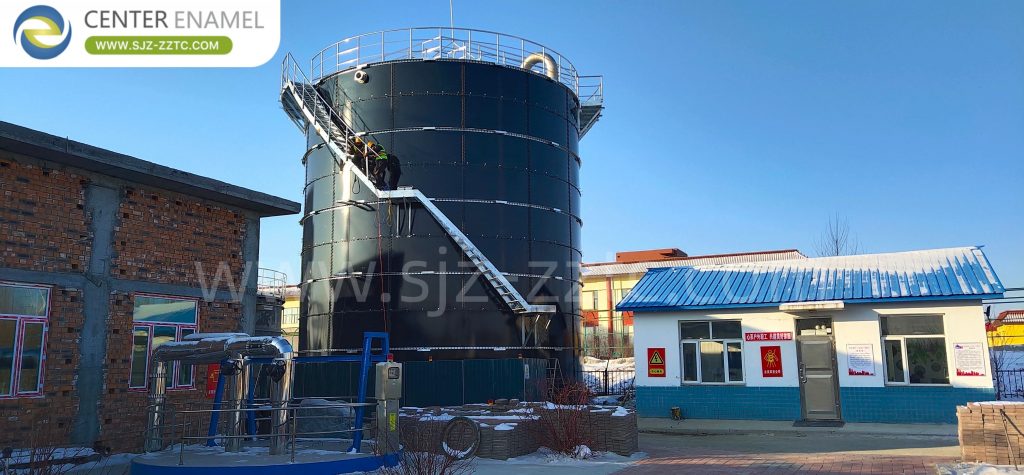
Understanding how the brewery industry manages this effluent is essential for brewers, environmental engineers, and sustainability professionals alike. This guide explores the full spectrum of brewery wastewater treatment, from conventional anaerobic and aerobic processes to cutting-edge membrane technologies and circular economy models that transform waste into valuable resources.
Understanding Brewery Wastewater Characteristics
Brewery wastewater differs dramatically from domestic sewage in both strength and variability. While domestic wastewater typically contains biochemical oxygen demand (BOD) around 200–300 mg/L, brewery effluent can range from 2,000 to over 6,000 mg/L, with some side streams reaching concentrations as high as 100,000 mg/L. The BOD/COD ratio of approximately 0.69 indicates that the organic matter is highly biodegradable—a favorable characteristic that enables effective biological treatment.
The pollution load originates from multiple points in the brewing process. Spent grains, hop residues, yeast, and trub contribute suspended solids. Mash runoff and wort contain dissolved sugars and proteins. Clean-in-place (CIP) operations introduce caustic and acidic chemicals that cause wide pH swings. Meanwhile, packaging line losses and bad batches add concentrated organic loads. The table below summarizes representative pollutant concentrations from a full-scale brewery wastewater treatment plant evaluation.
| Parameter | Unit | Range | Mean ± SD |
| Temperature | °C | 18.6–33.6 | 29.4 ± 2.2 |
| pH | — | 7.2–10.7 | 9.3 ± 0.6 |
| COD | mg/L | 1,980–7,460 | 4,928 ± 1,112 |
| BOD₅ | mg/L | 2,104–4,924 | 3,410 ± 833 |
| TSS | mg/L | 290–1,448 | 757 ± 232 |
| Total Phosphorus | mg/L | 11.0–61.8 | 33.2 ± 10.5 |
| Total Nitrogen | mg/L | 12.9–58.7 | 40.0 ± 10.5 |
These characteristics—high organic load, nutrient variability, and batch-driven fluctuations—make brewery wastewater a challenging but treatable industrial effluent stream.
Primary and Pretreatment Processes
Before biological treatment can proceed efficiently, brewery wastewater requires preliminary conditioning to remove gross solids, equalize flow, and stabilize pH.
Screening and Equalization
The first treatment step typically involves screening to capture spent grains, hop debris, packaging materials, and other large solids that could damage downstream equipment. A 6 mm drum screen is common for this purpose. Following screening, equalization tanks with retention times of 12 to 16 hours balance the highly variable flows and pollutant loads generated by batch brewing operations. Equalization also moderates temperature and partially neutralizes pH by blending acidic and alkaline CIP discharges.
Dissolved Air Flotation and Chemical Pretreatment
Dissolved air flotation (DAF) is widely employed as a primary treatment to remove suspended solids, fats, oils, and grease. In a representative brewery application, DAF with ferric chloride coagulation achieved 85% TSS removal. For more complex effluents containing emulsified fats or challenging organics, electrocoagulation may replace chemical coagulation, using sacrificial iron or aluminum anodes to generate coagulants in situ. This approach eliminates external chemical dosing and can reduce sludge volume by up to 40% compared to conventional chemical coagulation.
Coagulation and flocculation with ferric chloride, polyaluminum chloride, or tannin-based coagulants have demonstrated significant pollutant removal. Ferric chloride can achieve approximately 80% COD removal, while polyaluminum chloride reaches up to 90% turbidity removal. These pretreatment steps reduce the organic load and suspended solids reaching biological treatment, improving overall system stability and efficiency.
Biological Treatment: The Core of Brewery Wastewater Management
Biological processes form the backbone of brewery wastewater treatment, leveraging the readily biodegradable nature of brewery organics to achieve substantial pollutant removal.
Anaerobic Digestion
Anaerobic treatment is particularly attractive for brewery wastewater because of its high organic strength and warm temperature. In the absence of oxygen, anaerobic microorganisms convert organic matter into biogas—a methane-rich mixture that can be captured for energy generation. This process converts over 75% of organic compounds into simpler substances and biogas, transforming a treatment liability into a renewable energy asset.
Anaerobic digesters, including upflow anaerobic sludge blanket (UASB) reactors and decanter-digesters, are commonly deployed in breweries with sufficient space and organic loading. The biogas produced can fuel combined heat and power (CHP) units, offsetting the facility‘s energy consumption and reducing operational costs.
Aerobic Treatment Systems
Following anaerobic digestion or as a standalone treatment, aerobic processes polish the effluent to meet discharge standards. Moving bed biofilm reactors (MBBR), activated sludge systems, and sequencing batch reactors (SBR) are all viable options. A representative MBBR configuration with a two-stage design and 65% biofilm carrier fill ratio achieved 92% COD removal with an 18-hour hydraulic retention time.
For breweries with lower flows, packaged modular treatment systems incorporating activated sludge followed by microfiltration are increasingly popular. These systems have smaller footprints and can be assembled on-site with relatively modest capital investment.
Membrane Bioreactors
Membrane bioreactors (MBR) combine biological treatment with membrane filtration, producing high-quality effluent suitable for reuse. In a life cycle assessment comparing treatment scenarios, MBR followed by UV disinfection achieved water quality suitable for either on-site recycling or safe discharge into aquatic ecosystems. The membrane barrier retains suspended solids and pathogens, while the biological process removes dissolved organics and nutrients. MBR systems are more energy-intensive than conventional biological treatment but offer superior effluent quality and a smaller physical footprint.
The following table summarizes the typical performance of major biological treatment approaches for brewery wastewater.
| Treatment Technology | Primary Mechanism | Typical COD Removal | Effluent Quality | Energy Profile |
| Anaerobic Digestion | Microbial conversion without oxygen | 75–90% | Moderate; requires polishing | Net energy positive (biogas) |
| Activated Sludge | Aerobic microbial oxidation | 85–95% | Good; meets sewer standards | Energy intensive (aeration) |
| MBBR | Biofilm-mediated aerobic treatment | 90–95% | Good; stable under load variation | Moderate |
| Membrane Bioreactor | Biological + membrane filtration | 95–98% | Excellent; suitable for reuse | High (membrane pumping, aeration) |
Emerging and Advanced Treatment Technologies
Beyond conventional biological treatment, breweries are increasingly adopting innovative technologies that enhance treatment efficiency while recovering valuable resources.
Microalgae-Based Treatment
Microalgae offer a promising platform for brewery wastewater valorization. These photosynthetic organisms can grow heterotrophically or mixotrophically on organic carbon present in brewery effluent, simultaneously removing pollutants and generating biomass with potential value as biofertilizer, animal feed, or bioenergy feedstock. COD removal efficiencies ranging from 15% to 100% have been reported depending on microalgal strain and operating conditions. Challenges include pH fluctuations (brewery wastewater can range from pH 3 to 12) and the presence of polyphenolic compounds from hops that may inhibit certain microalgal species.
Membrane Technologies and Resource Recovery
Ultrafiltration (UF) membranes are gaining traction for polishing biologically treated effluent to reuse quality. In a South African brewery demonstration project, a containerized UF system with 0.04-micron pore size treated up to 250 m³ of wastewater daily, removing viruses, bacteria, and suspended solids. The treated water was returned to the brewery for use in condensers, boilers, bottle washers, and pasteurizers.
Emerging research explores converting brewers’ spent grain into cellulose acetate membranes for wastewater treatment, creating a closed-loop approach where a brewing by-product becomes a treatment material.
Vegetation Filters and Constructed Wetlands
Natural treatment systems offer low-energy alternatives for breweries with available land. Constructed wetlands and vegetation filters have demonstrated effective removal of organic matter, suspended solids, and phosphorus through physical filtration, plant uptake, and microbial degradation. These systems are particularly suitable for smaller craft breweries or as tertiary polishing steps.
Circular Economy and Resource Recovery in Brewery Wastewater
The most forward-thinking breweries are moving beyond compliance to embrace circular economy principles, viewing wastewater as a resource rather than a disposal problem.
Energy Recovery Through Biogas
Anaerobic digestion converts organic pollutants into methane-rich biogas. When coupled with combined heat and power generation, this biogas can provide both electricity and thermal energy for brewery operations. This energy recovery can significantly offset the treatment system‘s operational costs and reduce the facility’s carbon footprint.
Water Reuse and On-Site Recycling
Advanced treatment trains featuring membrane bioreactors, ultrafiltration, and UV disinfection can produce water of sufficient quality for non-potable brewery uses. A life cycle assessment of brewery treatment scenarios found that MBR plus UV treatment achieved water quality suitable for on-site recycling, reducing fresh water consumption and contributing to water security in surrounding communities. The Imifino project in South Africa exemplifies this approach, with treated effluent supplying up to 250 m³/day for direct reuse in brewery operations.
Nutrient Recovery for Agriculture
Brewery wastewater contains nitrogen, phosphorus, and potassium—essential plant nutrients. Integrated treatment systems can recover these nutrients for agricultural use, offsetting the environmental impacts of synthetic fertilizer production. The Imifino project integrates effluent treatment with crop production, using nutrients from brewery wastewater to grow spinach, parsley, and spring onions on 2,000 m² of raised beds, producing 1,500 kg of packed spinach monthly for local retailers.
Regulatory Compliance and Discharge Standards
Breweries must navigate a complex regulatory landscape that varies by jurisdiction. In the United States, the Environmental Protection Agency establishes effluent limitation guidelines for the food and beverage category, including breweries. These limits are often expressed as mass loads per unit of production (pounds per 1,000 barrels) rather than simple concentration limits, reflecting the variable nature of brewery flows.
Typical permit limits for brewery discharges address BOD₅, TSS, pH, and occasionally nutrients or toxicity parameters. The table below presents representative effluent guideline values from a draft general permit.
| Parameter | Monthly Average (lb/1,000 barrels) | Daily Maximum (lb/1,000 barrels) |
| BOD₅ | 72.24 | 180.60 |
| TSS | 100.63 | 250.26 |
For breweries discharging to municipal sewers, local pretreatment programs typically impose surcharges for pollutant loads exceeding domestic-strength concentrations (commonly 200–300 mg/L for BOD and TSS). Implementing best management practices for side-streaming high-strength wastes—keeping spent grains, yeast, and bad batches out of the drain—can dramatically reduce surcharge costs. One craft brewery case study documented a 77% reduction in BOD concentrations from cellaring operations after implementing targeted BMPs, equivalent to eliminating 242 pounds of BOD per week.
Frequently Asked Questions
What makes brewery wastewater different from other industrial effluents?
Brewery wastewater is characterized by high organic strength (BOD often 2,000–6,000 mg/L or higher), excellent biodegradability, and significant variability in flow, pH, and pollutant concentration due to batch brewing operations. The presence of spent grains, yeast, and hop residues contributes suspended solids, while CIP chemicals cause pH swings from 3 to 12. Unlike many industrial wastewaters, brewery effluent contains low concentrations of toxic compounds, making it highly amenable to biological treatment.
Can brewery wastewater be treated on-site, or must it go to a municipal plant?
Both approaches are viable depending on brewery scale, space, and regulatory requirements. Smaller craft breweries often discharge to municipal sewers after pretreatment and pay surcharges based on pollutant load. Larger breweries typically implement on-site treatment, often combining anaerobic digestion for energy recovery with aerobic polishing before discharge or reuse. Some jurisdictions actively encourage collaborative treatment, recognizing brewery wastewater as a high-quality external carbon source for municipal denitrification processes.
What is the most sustainable approach to brewery wastewater treatment?
The most sustainable approaches integrate energy recovery, water reuse, and nutrient recycling. Anaerobic digestion captures biogas for heat and power. Membrane bioreactors and ultrafiltration enable water reuse for non-potable brewery operations. Constructed wetlands and microalgal systems recover nutrients for agricultural applications. Life cycle assessments consistently show that on-site treatment with resource recovery outperforms conventional disposal to municipal plants in environmental impact. The optimal configuration depends on brewery scale, local climate, regulatory framework, and capital availability.