
How Is Wastewater Treated in the Dairy Industry? A Complete Guide to Dairy Effluent Management
The dairy industry holds immense economic significance worldwide, processing raw milk into a diverse range of products including cheese, yogurt, butter, and powdered milk . However, this production generates substantial volumes of wastewater with unique treatment challenges. For every 1 liter of processed milk, the industry generates 1 to 3 times more wastewater, with biochemical oxygen demand (BOD5) concentrations reaching up to 4,500 mg/L . To put this in perspective, every 1 cubic meter of dairy wastewater is equivalent in pollution load to the sewage generated by 84 to 250 people .
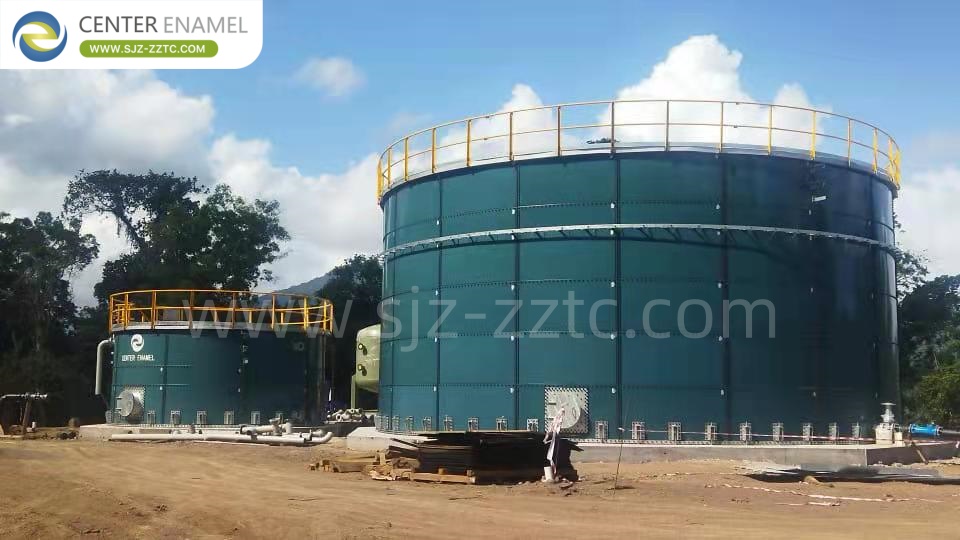
Dairy effluent is characterized by high concentrations of organic matter, fats, oils, and grease (FOG), suspended solids, and nutrients such as nitrogen and phosphorus . The presence of these pollutants means untreated dairy wastewater poses severe environmental risks, including oxygen depletion in receiving waters, eutrophication, and harm to aquatic ecosystems . This comprehensive guide examines the treatment technologies, system configurations, and operational strategies used across the dairy industry to address these challenges.
Understanding Dairy Wastewater Composition and Sources
Effective treatment begins with understanding what makes dairy wastewater unique. The composition varies significantly depending on the specific products manufactured, operational procedures, and cleaning practices employed at each facility .
Primary sources of dairy wastewater include milk processing operations, equipment cleaning (clean-in-place, or CIP), floor washing, and cooling water . CIP wastewater is particularly significant, accounting for approximately 80% of the total wastewater stream at some facilities, and contributes disproportionately to the organic load and nutrient content .
Key pollutants in dairy effluent include:
Organic matter measured as COD and BOD5, derived from milk solids, whey proteins, lactose, and fats
Fats, oils, and grease (FOG), which can cause operational issues including clogging and reduced treatment efficiency
Nutrients including nitrogen and phosphorus, which can trigger eutrophication if discharged untreated
Suspended solids from milk solids and cleaning agents
pH variability due to cleaning chemicals and product residues
A critical factor in dairy wastewater is its high biodegradability. The BOD5/COD ratio in raw dairy wastewater typically averages around 0.46, indicating that a substantial portion of the organic load can be biologically treated . This characteristic makes biological treatment methods particularly effective for dairy effluent.
The Multi-Stage Treatment Approach
Dairy wastewater treatment typically follows a multi-stage approach, combining physical, chemical, and biological processes in sequence to achieve comprehensive pollutant removal . This integrated strategy is necessary because no single treatment method can address the diverse range of pollutants present in dairy effluent.
The general treatment train includes:
Preliminary treatment – screening and grit removal to protect downstream equipment
Primary treatment – physical and chemical processes to remove suspended solids, fats, and oils
Secondary treatment – biological processes to degrade dissolved organic matter
Tertiary/advanced treatment – polishing steps to remove residual nutrients, pathogens, and enable water reuse
| Treatment Stage | Primary Function | Typical Technologies |
| Preliminary | Remove coarse solids, protect equipment | Screening, grease traps |
| Primary | Remove suspended solids, FOG | Dissolved air flotation, sedimentation |
| Secondary | Degrade organic matter | Anaerobic digestion, aerobic treatment |
| Tertiary | Nutrient removal, disinfection, reuse | Membrane filtration, constructed wetlands |
Primary Treatment: Physical and Chemical Separation
Primary treatment focuses on removing suspended solids, fats, oils, and grease that could interfere with downstream biological processes . Because dairy effluent contains high concentrations of FOG, effective primary treatment is essential for system stability.
Dissolved Air Flotation (DAF) is widely used in dairy wastewater treatment for FOG and suspended solids removal. In a typical DAF system, wastewater is first pH-adjusted, then treated with coagulants and flocculants to aggregate pollutants before air flotation separates the solids from the liquid stream . A patented dairy wastewater treatment system describes a process in which dairy wastewater is received at an equalization tank, acid is added to lower the pH, cationic coagulant and flocculation chemicals are introduced in a pipe reactor, and the mixture is then processed through a DAF unit .
Chemical pretreatment is often necessary because the composition of dairy wastewater varies considerably with milk-processing, washing, and cleaning operations . pH adjustment near the casein isoelectric point (approximately pH 5) promotes protein destabilization and precipitation. A bench-scale study combining pH adjustment with dual-media filtration achieved mean removals of approximately 69% for BOD5, 91% for COD, and 99% for turbidity .
Equalization tanks are critical for managing the variable flow and composition characteristic of dairy processing operations. These tanks buffer hydraulic and organic load fluctuations, ensuring more consistent conditions for downstream biological treatment .
Secondary Treatment: Biological Degradation
Biological treatment forms the core of dairy wastewater treatment, leveraging microorganisms to degrade dissolved organic matter. Both anaerobic and aerobic processes are employed, often in combination, depending on the specific wastewater characteristics and treatment objectives .
Anaerobic Treatment
Anaerobic digestion offers significant advantages for dairy wastewater because it can handle high organic loads while producing biogas as a renewable energy source. The process also generates less sludge than aerobic treatment, reducing disposal costs.
Two-phase anaerobic digestion (TPAD) has demonstrated particular promise for dairy wastewater. A closed-loop system developed for dairy wastewater management achieved enhanced organic stabilization through a compartmentalized anaerobic baffled reactor (ABR) followed by an upflow anaerobic sludge blanket (UASB) reactor . Full-scale implementations across three Chinese provinces validated the system's operational robustness. This configuration reduced aeration energy demands by 32.01–41.10% while producing methane-rich biogas .
Anaerobic membrane bioreactors (AnMBR) combined with reverse osmosis have also been investigated for energy recovery and water reuse in the dairy industry .
Aerobic Treatment
Aerobic treatment is typically employed following anaerobic digestion as a polishing step to remove residual organic matter and nutrients. Aerobic biological contact oxidation tanks effectively remove pollutants not fully eliminated by anaerobic digestion . An evaluation of a dairy wastewater treatment plant in Brazil, which included screening, grease trap, and an upflow anaerobic filter, achieved average removal efficiencies of 96.2% for COD and 97.1% for BOD5 .
Advanced Treatment and Water Reuse
As water scarcity increases and discharge regulations tighten, advanced treatment technologies are becoming essential for enabling water reuse and achieving higher effluent quality.
Membrane technologies offer high-performance solutions for separating and concentrating pollutants. These include microfiltration, ultrafiltration, nanofiltration, and reverse osmosis . Membrane bioreactors (MBR) combine biological treatment with membrane separation, producing high-quality effluent suitable for reuse.
Integrated systems combining multiple treatment approaches have shown promising results. One study evaluated a pilot hybrid constructed wetland–sand filter system for treating dairy wastewater from a small dairy industry . A decade-long study of a subsurface flow constructed wetland following an aerated facultative lagoon demonstrated that up until the seventh year of operation, the integrated system removed more than 98% of COD, BOD5, and TSS, as well as 99.8% of oils and greases .
Electrochemical methods including electrocoagulation and electro-Fenton processes offer advanced options for pollutant degradation . A study utilizing iron electrocoagulation, microfiltration, and activated carbon adsorption achieved significant removal (>99.9%) of COD, total organic carbon, phosphorus, turbidity, and microorganisms .
Microbial consortium treatment represents an emerging biological approach. Research using Effective Microorganism (EM) cultures containing Rhodopseudomonas palustris, Lactobacillus casei, and Saccharomyces cerevisiae demonstrated significant reductions in nitrogen, sulfate, and COD in dairy effluent .
| Treatment Technology | Target Pollutants | Typical Efficiency |
| Dissolved Air Flotation | FOG, TSS | High removal of fats and solids |
| Anaerobic Digestion | COD, BOD | 80-95% organic removal |
| Aerobic Treatment | Residual COD, nutrients | 90-97% COD/BOD removal |
| Constructed Wetlands | COD, BOD, nutrients, FOG | >98% COD, BOD removal (years 1-7) |
| Membrane Filtration | TSS, pathogens, dissolved solids | High-quality effluent for reuse |
Challenges and Operational Considerations
Dairy wastewater treatment presents several operational challenges that require careful system design and management.
High organic load variability is a persistent challenge. Wastewater composition and flow rates fluctuate significantly due to batch processing and cleaning cycles . The presence of cleaning agents in CIP wastewater can inhibit biological treatment processes, necessitating pretreatment such as pH adjustment and chemical neutralization .
FOG-related issues including clogging and reduced treatment efficiency require robust primary treatment and regular maintenance .
System stability is critical for facilities producing billions of pounds of milk. A case study of a Michigan dairy processing facility with a $25-million wastewater treatment system revealed that pH fluctuations and declining aerobic sludge activity created operational instability . Collaboration with university researchers helped identify correct key performance indicators and stabilize the treatment process .
Constructed wetland longevity requires attention. The decade-long study noted that significant clogging and surface flow emerged from the seventh year of operation, reducing treatment efficiency. This suggests that substrates should be replaced after approximately seven years of operation for constructed wetlands following aerated facultative lagoons .
Emerging Trends and Future Directions
The dairy industry is increasingly adopting circular economy principles, viewing wastewater as a resource rather than a disposal problem.
Resource recovery is gaining prominence, including nutrient and energy extraction from wastewater . Anaerobic digestion enables biogas production while simultaneously reducing organic load. Nutrient recovery from digestate or effluent can produce fertilizers for agricultural use.
Water reuse is expanding from non-potable applications to more demanding uses. Analysis at a Michigan dairy facility suggests that significantly greater internal water recycling is possible, potentially reducing reliance on municipal water supplies .
Integration of treatment systems continues to advance. The combination of anaerobic membrane bioreactors with reverse osmosis for industrial water reuse represents one promising direction . Integrated pH adjustment and dual-media filtration for pretreatment of high-strength dairy wastewater demonstrates ongoing innovation in front-end load reduction .
Ready to optimize your dairy facility's wastewater treatment system? Contact our team today to discuss customized solutions for your specific effluent challenges.
Frequently Asked Questions
What makes dairy wastewater different from other industrial wastewater?
Dairy wastewater is distinguished by its high organic load and biodegradability, with BOD5 concentrations reaching up to 4,500 mg/L and BOD5/COD ratios around 0.46 . The presence of fats, oils, and grease from milk processing, combined with cleaning chemicals from CIP operations, creates a complex and variable waste stream that requires tailored treatment approaches .
How long does it take to treat dairy wastewater?
Treatment time varies by technology and system configuration. Anaerobic digestion typically requires hydraulic retention times of 24-30 hours in modern high-rate systems . Constructed wetlands, while effective, require much longer retention times and have a limited operational lifespan of approximately seven years before substrate replacement is needed . Complete treatment trains combining multiple stages typically achieve full processing within days rather than weeks.
Can treated dairy wastewater be reused?
Yes, treated dairy wastewater can be reused for various applications. Depending on the level of treatment achieved, reuse options include agricultural irrigation, cooling water, floor washing, and even boiler feedwater in some cases . Membrane technologies including reverse osmosis enable higher-quality reuse, and integrated systems are being developed specifically to facilitate industrial water reuse .